Why Showering Habits Often Shift After 65, and What Works Best Instead!

The transition into the silver years of life is often described as a series of grand adjustments—retirement, downsizing, or picking up new hobbies. Yet, some of the most profound shifts occur in the quietest, most private corners of our lives. For many adults over the age of sixty-five, a daily shower has been a cornerstone of their existence for decades, an automatic ritual as fundamental as a morning cup of coffee or brushing one’s teeth. It is a habit tied to a sense of social readiness, physical freshness, and personal discipline. However, as the calendar turns, many find that this once-invigorating routine begins to lose its luster, transforming from a refreshing start to the day into a source of physical discomfort or exhaustion.
Understanding why showering habits often shift after sixty-five is not an admission of neglect, but rather a testament to biological wisdom. The human body is a masterpiece of adaptation, and as we age, our largest organ—the skin—undergoes a quiet revolution. To maintain the same rigorous scrubbing schedule at seventy that one maintained at twenty is to ignore the changing needs of a more delicate system. By re-evaluating these routines, older adults can prioritize health and comfort over outdated expectations.
The primary driver behind this shift is the physiological evolution of the skin. Throughout our youth and middle age, the skin is a resilient barrier, rich in collagen and bolstered by a consistent production of natural oils known as sebum. These oils act as a waterproof seal, locking in hydration and protecting the body from environmental irritants. After sixty-five, however, the sebaceous glands slow their production significantly. The skin becomes thinner, more translucent, and loses the elasticity that once allowed it to bounce back from the harshness of hot water and astringent soaps.
When an older adult takes a long, steaming shower every single day, they are effectively stripping away a defense system that the body can no longer replenish overnight. The result is “winter itch”—a chronic state of dryness, flaking, and sensitivity that can lead to micro-tears in the skin. Because the aging body also experiences a slower rate of cellular repair, these minor irritations can escalate into more significant dermatological issues or even infections. Consequently, many health professionals suggest that for the elderly, “less is more.” Reducing the frequency of full-body showers to two or three times a week, while focusing on targeted hygiene in between, can preserve the skin’s integrity and comfort.
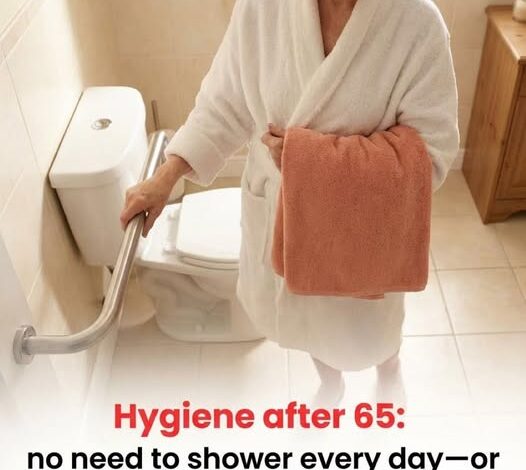
Beyond the dermatological concerns, there are the undeniable physical demands of the bathroom environment. The bathroom is, statistically, one of the most hazardous rooms in a home. Navigating a slippery tub, standing for extended periods under a heavy stream of water, and the humid, oxygen-thin air of a steamy room can be taxing on cardiovascular and musculoskeletal systems. Balance and bone density naturally shift as we age, and the act of drying off—reaching for the back, bending to dry the feet—requires a level of flexibility and core strength that can be surprisingly draining.
For many, the decision to space out full showers is a strategic choice in energy conservation. It is a way of “spending” one’s physical energy on things that bring more joy, such as a walk in the park or a visit with grandchildren, rather than exhausting oneself on a demanding hygiene ritual. This shift does not imply a decline in cleanliness; rather, it marks an evolution toward a more efficient method of self-care. On days when a full shower isn’t on the agenda, a “sink bath” using a warm washcloth on key areas—the face, hands, underarms, and feet—is often more than sufficient to maintain high standards of hygiene without the systemic strain of a full immersion.
The emotional and psychological aspect of this change is equally important. In a society that often equates frequent bathing with “having it all together,” some older adults feel a sense of guilt or shame when they no longer feel the urge to shower daily. It is vital to dismantle these stigmas. Modern hygiene is a relatively recent luxury in human history; for the vast majority of our existence, the human body thrived with far less intervention. Embracing a gentler routine is not a sign of “giving up,” but a sign of listening to one’s body. It is an act of self-respect to acknowledge that a scalding hot shower now feels like an assault rather than a comfort.
For those who still treasure the ritual of the water, several modifications can make the experience safer and more beneficial for the skin. The first and most impactful change is the temperature. While a hot shower feels therapeutic for aching joints, it is the primary culprit in skin dehydration. Switching to lukewarm water—roughly the temperature of the body—can prevent the excessive melting of protective lipids. Secondly, the choice of soap is paramount. Traditional bar soaps and heavily scented body washes are often high in pH and detergents that are far too aggressive for mature skin. Switching to soap-free, pH-balanced cleansers or creamy body washes can make a world of difference.
The post-shower routine is the final, crucial step in this adapted care plan. Dermatologists often recommend the “three-minute rule”: applying a thick, fragrance-free moisturizer within three minutes of patting the skin dry. This traps the lingering moisture on the skin before it can evaporate, providing an artificial barrier that mimics the oils the skin is no longer producing. This simple act can alleviate the itching and tightness that often follow a bath, turning a potential discomfort back into a moment of pampering.
Ultimately, personal care after sixty-five is about reclaiming the definition of well-being. It is a journey toward a more mindful, gentler form of self-maintenance that honors the body’s history and its current state. Whether one chooses to shower daily with newfound precautions or moves toward a hybrid routine of sink baths and full washes, the goal remains the same: to feel clean, comfortable, and confident in one’s own skin. By shedding the rigid habits of the past and embracing the specific needs of the present, older adults can ensure that their hygiene routines support their health and vitality for all the years to come.