Product Packaging Transparency: Why What You See Isn’t Always What You Get

Shopping for groceries used to be straightforward. You picked up a familiar product, tossed it in your cart, and moved on. But in recent years, something has changed. The packages look the same, the brands are trusted names, yet somehow you’re getting less for your money. Welcome to the modern reality of product packaging, where appearance and contents don’t always align.
The Psychology Behind Package Design
Retailers and manufacturers understand a fundamental truth about consumer behavior: most purchasing decisions happen in seconds. When you’re standing in the cereal aisle or choosing between spice brands, you’re not pulling out a calculator or carefully reading every label. You’re making snap judgments based on visual cues—size, shape, color, and familiarity.
Package design exploits this reality. A taller bottle suggests more volume. A wider container implies greater quantity. Bright colors signal freshness and quality. These aren’t accidental choices—they’re deliberate strategies backed by millions of dollars in consumer research.
When Trusted Brands Make Controversial Changes
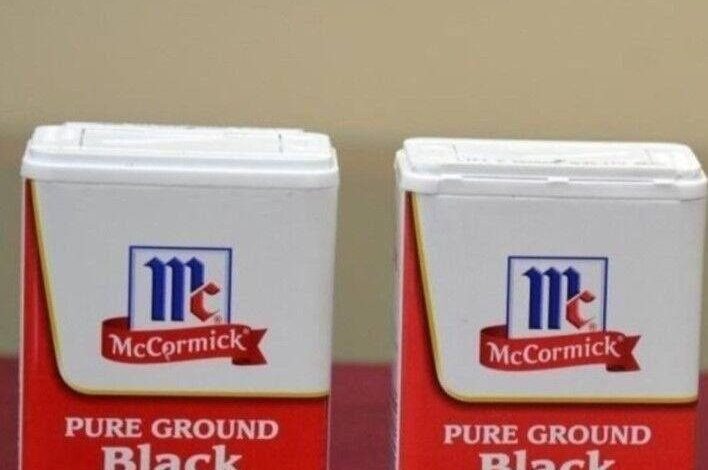
The spice industry recently provided a textbook example of how packaging changes can spark consumer backlash. McCormick & Company, a household name in American kitchens for over a century, found itself at the center of controversy after redesigning one of its pepper containers.
The change seemed minor on the surface: the company reduced the pepper content from approximately 8 ounces to around 6 ounces—a 25% reduction. The container’s external dimensions, however, remained virtually identical. To shoppers scanning shelves quickly, the product looked unchanged. Only the fine print revealed the truth.
The situation escalated when competitor Watkins Incorporated raised concerns, and frustrated customers filed a class action lawsuit. The central complaint wasn’t that McCormick violated labeling laws—the net weight was printed on the package. Rather, consumers argued they felt misled by the disconnect between the package’s size and its actual contents.
The Shrinkflation Phenomenon
This McCormick situation exemplifies a broader trend called “shrinkflation”—when product quantities decrease while prices and packaging sizes stay the same or even increase. It’s happening across virtually every grocery category:
Common examples include:
- Chocolate bars that look identical but weigh less
- Ice cream containers with higher bases that hold less product
- Chip bags with more air and fewer chips
- Toilet paper rolls with fewer sheets despite similar packaging
Manufacturers defend these changes as necessary responses to rising ingredient costs, supply chain challenges, and inflation. Rather than raise prices—which consumers notice immediately—companies quietly reduce quantities, betting that shoppers won’t catch on.
The Clear Container Advantage
Watkins, McCormick’s competitor in this dispute, takes a different approach. Their pepper comes in clear containers that let customers see exactly what they’re buying. This transparency eliminates the guessing game. When both products contain the same weight of pepper but one looks substantially larger, the visual comparison becomes problematic for the brand using opaque packaging.
This raises an important question: if a company is proud of its product and pricing, why not let customers see it? Clear packaging builds trust. Opaque containers, especially after quantity reductions, can erode it.
What Package Labels Really Tell You
Most consumers assume that reading product labels means checking the price. But smart shoppers know to look deeper:
Unit pricing is your best friend. That small label on the shelf edge showing the cost per ounce or per unit lets you compare products accurately, regardless of package size tricks.
Net weight matters more than package size. A bulky container with thick walls and a tall cap might hold less than a smaller, efficiently designed package.
Serving sizes can be manipulated. A product might advertise “only 100 calories per serving,” but check how many servings are in the package and how realistic that serving size actually is.
“New look, same great taste” often signals a quantity reduction. When companies emphasize packaging changes in marketing, investigate what else might have changed.
The Trust Factor in Brand Loyalty
Brands spend generations building consumer trust. McCormick, founded in 1889, became a staple in American kitchens through consistent quality and fair dealing. That’s what makes packaging controversies so damaging—they strike at the foundation of brand relationships.
When consumers feel deceived, even unintentionally, the consequences extend far beyond a single product. They begin questioning other items in the brand’s lineup. They share their experiences online, multiplying the negative impact. They switch to competitors, sometimes permanently.
The financial calculation that makes shrinkflation attractive in the short term—maintaining profit margins without obvious price increases—can backfire spectacularly when customers discover the change and feel manipulated.
How Other Industries Handle Transparency
Some sectors have found more honest approaches to balancing costs and consumer expectations:
Subscription services often send notifications before price changes, explaining the reasons and giving customers options.
Premium brands position themselves on quality rather than quantity, making price increases more acceptable because customers understand what they’re paying for.
Store brands frequently advertise their straightforward approach, using transparency as a competitive advantage against name brands that play packaging games.
Protecting Yourself as a Consumer
You don’t need to become a forensic shopper, but a few habits can help you avoid paying more for less:
Take photos of your regular purchases, including the net weight. Compare them on future shopping trips. Many consumers only notice shrinkflation when they have a concrete reference point.
Download shopping apps that track price and quantity changes over time. Several free options alert you when products change.
Buy in bulk when possible. While unit pricing still matters, larger quantities often escape shrinkflation longer than individual packages.
Support brands that prioritize transparency. Your purchasing power sends a message about what practices you’ll tolerate.
The Legal and Ethical Gray Area
Here’s where things get complicated: most shrinkflation isn’t technically illegal. Companies disclose the net weight as required by law. But legality and ethics don’t always align.
Courts are increasingly being asked to consider whether packaging can be “misleading” even when the required information is present. If a reasonable consumer would be deceived by the overall presentation, does technical compliance matter?
The McCormick case, currently in federal court, may help answer these questions. The outcome could influence how companies approach package redesigns going forward.
What Should Companies Do Differently?
Transparency doesn’t have to mean sacrificing profit. Companies facing cost pressures have alternatives to stealth quantity reductions:
Honest communication about why changes are necessary can maintain customer goodwill. A label stating “New smaller size, same great quality” respects consumer intelligence.
Proportional packaging that clearly reflects the reduced quantity shows good faith. If the contents shrink, the package should too.
Premium options let price-conscious shoppers choose smaller quantities while offering larger sizes for those who want them.
Loyalty rewards for longtime customers can offset the sting of necessary price or quantity changes.
The Bigger Picture
The packaging transparency issue connects to larger conversations about corporate responsibility, consumer rights, and marketplace fairness. In an era of increasing skepticism toward big business, every misleading package reinforces negative perceptions.
Meanwhile, smaller brands are using transparency as their primary competitive weapon. They can’t match the marketing budgets or shelf space of industry giants, but they can promise honesty. For many consumers, especially younger ones, that promise carries substantial weight.
Moving Forward
The McCormick and Watkins dispute won’t be the last packaging controversy. As ingredient costs, shipping expenses, and labor prices continue fluctuating, companies will face ongoing pressure to maintain margins. The question is whether they’ll choose the path of transparency or continue betting that consumers won’t notice the fine print.
For shoppers, awareness is the first step toward fair treatment. Understanding how packaging manipulates perception allows you to make informed choices. Supporting brands that respect your intelligence encourages better industry practices.
The spice aisle controversy is really about something much larger: the relationship between companies and customers, and whether that relationship is built on trust or tricks. In the long run, transparency isn’t just ethically right—it’s good business. Consumers eventually notice when they’re being shortchanged, and their response is rarely forgiving.
The takeaway: Next time you reach for a familiar product, take a second look. Check the net weight. Compare the unit price. Ask yourself if the package size matches the contents. Those few extra seconds of attention send a powerful message about what you expect from the brands you trust.
Because in a marketplace where small differences matter more than most people realize, your awareness is the most effective tool for demanding honesty.