Fictional Public-Figure Defendant Loses His Smile When Judge Mentions the People Who Trusted Him

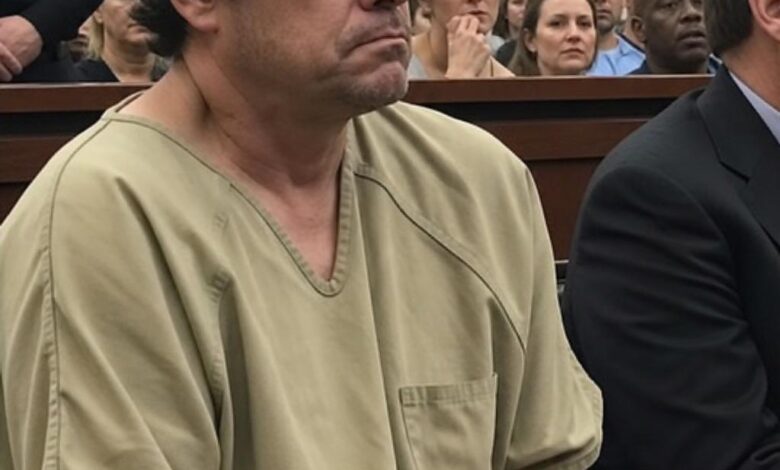
Man Known for Confident Speeches Appeared Stunned as Judge Dismantled His Polished Apology
A Courtroom That Went Completely Quiet
The city of Bellhaven witnessed a notable moment in Courtroom 6 on Thursday morning when former civic influencer and public speaker Dorian Vale stood to address the judge.
For years, Vale had been recognized for his well-attended events, polished interviews, and speeches focused on building community trust. Inside the courtroom, however, that familiar presence appeared diminished under the weight of the proceedings.
Wearing a dark suit and maintaining a careful expression, Vale began reading from a prepared statement. His voice was initially calm.
“I regret that misunderstandings occurred,” he said. “I regret that some people felt disappointed. I have always tried to inspire hope.”
Several people in the gallery shifted uncomfortably. One woman lowered her eyes. Another person near the aisle shook his head slowly.
The Apology That Changed the Room
Vale continued, referencing his “legacy,” his “intentions,” and the “pressure” of public life. He paused dramatically between sentences, as he had often done in past appearances.
Then Judge Maren Holt leaned forward.
“Mr. Vale,” the judge said evenly, “this is not a conference hall. No one is here to admire your delivery.”
The courtroom fell silent.
Vale blinked, his mouth tightening. The confident half-smile he had worn since entering the room disappeared.
Judge Holt looked down at the pages before her, then back at him.
“You have spoken at length about how difficult this has been for you,” she said. “But you have not once clearly named the people who trusted you. You have not once acknowledged the weight they carried after believing your words.”
A quiet sob came from the second row. Someone reached over and squeezed another person’s hand.
“Trust Is Not a Costume”
The judge’s voice remained calm, yet each word carried significant weight.
“Trust is not a costume you put on for applause,” Judge Holt said. “It is not a slogan. It is not a spotlight. It is a responsibility.”
Vale lowered his gaze to the defense table. His attorney leaned toward him and whispered something, but Vale did not respond. For the first time that morning, he appeared less like a practiced speaker and more like a man confronting the reality of the situation.
The case involved allegations that Vale had used his public reputation to gain support for a community initiative that, according to prosecutors, was not managed with the honesty and transparency he had promised.
One former volunteer later told reporters outside the courthouse, “It wasn’t about money or headlines for me. It was about believing someone who kept saying he cared. Hearing the judge say that out loud felt like someone finally understood.”
The Judge Dismantled the Performance
When Vale attempted to speak again, Judge Holt raised a hand.
“You may be sorry that consequences arrived,” she said. “But remorse is not proven by elegant sentences. Remorse is shown when you stop making yourself the center of the harm.”
Gasps rippled through the gallery.
Vale’s shoulders sank. The papers in his hands trembled slightly as he placed them back on the table. His earlier confidence had vanished, replaced by a stunned stillness.
The prosecution remained silent, allowing the judge’s words to resonate. Court staff appeared particularly attentive.
Judge Holt then delivered a statement that many in Bellhaven would later recall:
“The people who trusted you were not props in your story, Mr. Vale. They were the reason your story existed at all.”
A Sentence Beyond the Legal One
Before issuing her ruling, Judge Holt noted that public influence carries a special responsibility.
“A person with a microphone can lift a room,” she said. “But that same person can also lead people into disappointment when image becomes more important than truth.”
Vale nodded faintly, his face pale. Behind him, members of the gallery wiped tears, folded their arms, or stared straight ahead.
As Vale was escorted from the courtroom, he did not turn toward the cameras. He did not wave. He did not speak.
The man once known for filling every silence had nothing left to say. The case has prompted local discussions about accountability, public trust, and the responsibilities that accompany influence.