Complete Guide to Groin Area Skin Health: Causes, Symptoms, and Professional Treatment Options

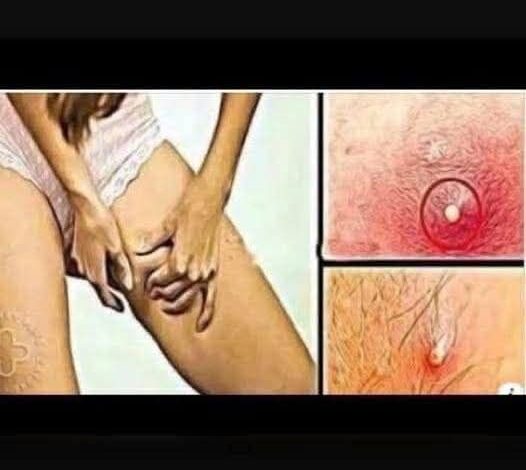
Understanding Common Groin Skin Conditions
Skin health concerns in the groin region affect millions of people worldwide, regardless of age or gender. This sensitive area creates unique challenges due to its warm, humid environment and frequent friction from clothing and movement. Proper skincare knowledge and dermatological awareness are essential for maintaining optimal intimate health and preventing uncomfortable skin conditions.
Primary Causes of Groin Area Skin Irritation
Environmental Factors
The groin area’s natural characteristics make it susceptible to various dermatological issues:
- Moisture buildup from sweating and limited air circulation
- Friction damage from tight clothing and physical activity
- Bacterial growth in warm, humid conditions
- Hair removal complications from shaving and waxing procedures
Lifestyle Contributors
Modern lifestyle factors significantly impact groin skin health:
- Poor hygiene practices and infrequent washing
- Synthetic fabric clothing that traps moisture
- Excessive physical activity without proper skincare
- Stress-related hormonal changes affecting skin sensitivity
Ingrown Hair Problems: Prevention and Treatment Solutions
Understanding Ingrown Hair Development
Ingrown hairs represent one of the most common groin area skin concerns. These occur when hair follicles redirect growth inward rather than outward, creating inflammatory responses and potential bacterial infections.
Root Causes of Ingrown Hairs
Professional dermatologists identify several primary triggers:
- Aggressive hair removal techniques including close shaving
- Tight clothing friction that forces hair follicles to change direction
- Natural hair texture particularly curly or coarse hair types
- Dead skin cell buildup blocking normal hair growth patterns
Recognizable Symptoms and Warning Signs
Healthcare professionals recommend monitoring these indicators:
- Small, raised bumps resembling acne breakouts
- Redness and visible inflammation around hair follicles
- Pus-filled lesions indicating bacterial infection
- Persistent itching and skin discomfort
- Darkened skin areas from chronic irritation
Professional Treatment Approaches and Medical Solutions
Immediate Care Strategies
Dermatology experts recommend these evidence-based treatments:
Warm Compress Therapy
- Apply clean, warm cloths for 10-15 minutes
- Reduces inflammation and promotes natural healing
- Helps soften skin and release trapped hairs
- Repeat 2-3 times daily for optimal results
Gentle Exfoliation Methods
- Use dermatologist-approved exfoliating cleansers
- Remove dead skin cells blocking hair follicles
- Choose products with salicylic acid or glycolic acid
- Avoid harsh scrubbing that worsens irritation
Hair Removal Modifications
- Temporarily discontinue shaving until healing occurs
- Switch to electric razors for gentler hair removal
- Consider professional laser hair removal treatments
- Use high-quality shaving creams and aftercare products
When to Seek Professional Medical Care
Healthcare consultation becomes necessary when experiencing:
- Persistent infections that don’t respond to home treatment
- Severe pain or spreading inflammation
- Recurring skin problems despite preventive measures
- Signs of cellulitis or deeper skin infections
- Scarring or permanent skin discoloration
Advanced Prevention Strategies for Long-Term Skin Health
Daily Hygiene Best Practices
- Use antibacterial soap specifically designed for sensitive areas
- Maintain proper drying techniques after bathing
- Change underwear daily and choose breathable fabrics
- Apply moisturizers formulated for sensitive skin
Clothing and Lifestyle Modifications
- Select loose-fitting cotton underwear and clothing
- Avoid synthetic materials that trap moisture
- Use powder products to reduce friction and moisture
- Maintain healthy body weight to reduce skin folding
Professional Skincare Product Recommendations
Cleansing Solutions
- Gentle, pH-balanced cleansers for daily use
- Antibacterial washes for infection prevention
- Medicated cleansers containing benzoyl peroxide or tea tree oil
Treatment Products
- Topical antibiotics for infected areas
- Anti-inflammatory creams containing hydrocortisone
- Specialized ingrown hair treatment serums
- Moisturizers with healing ingredients like aloe vera
Long-Term Health Monitoring and Wellness
Regular Self-Examination
Healthcare professionals emphasize the importance of:
- Monthly skin checks for changes or new symptoms
- Documenting recurring problems for medical consultation
- Monitoring effectiveness of treatment approaches
- Maintaining photographic records for dermatologist visits
Holistic Health Approach
Overall wellness contributes significantly to skin health:
- Balanced nutrition supporting immune system function
- Regular exercise with proper hygiene practices
- Stress management through relaxation techniques
- Adequate sleep for skin repair and regeneration
Medical Disclaimer and Professional Consultation
This comprehensive guide provides educational information about common groin area skin conditions and general wellness practices. Individual symptoms and treatment responses vary significantly, making professional medical evaluation essential for persistent or severe conditions.
Always consult qualified dermatologists, primary care physicians, or other healthcare providers for:
- Accurate diagnosis of skin conditions
- Personalized treatment recommendations
- Prescription medication when necessary
- Monitoring of chronic skin health issues
Remember that proper skincare, combined with professional medical guidance, provides the most effective approach to maintaining optimal groin area health and preventing recurring dermatological problems.