Mysterious Squirrel Disease Explained: What Pet Owners and Wildlife Enthusiasts Need to Know

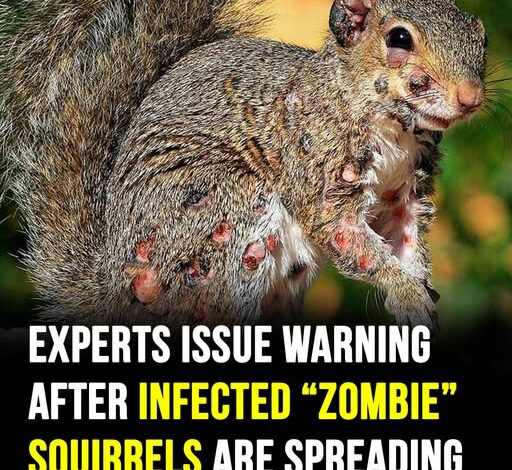
Recent viral social media posts featuring squirrels with unusual facial growths have captured widespread attention, generating millions of views across platforms like Facebook, Instagram, and TikTok. These images show small mammals with distinctive lumps and swelling, prompting pet owners and animal lovers to seek answers about this concerning wildlife phenomenon.
Understanding the Viral Squirrel Photos
The dramatic photographs circulating online showcase squirrels affected by a specific medical condition that significantly alters their appearance. Wildlife veterinarians and animal health experts have identified this condition as squirrel fibromatosis, commonly known as squirrel pox—a naturally occurring viral infection that primarily impacts Eastern gray squirrels.
What Causes These Unusual Growths?
Squirrel pox results from the Squirrel Fibroma Virus, belonging to the poxvirus family. This virus creates characteristic nodular formations that typically develop on:
- Facial areas around the eyes and mouth
- Front and rear limbs
- Chest and torso regions
- Tail base in severe cases
The condition manifests as fleshy, tumor-like growths that can vary dramatically in size and appearance, explaining why affected animals often look dramatically different from healthy squirrels.
Pet Safety and Human Health Considerations
Important for pet owners: This viral infection is species-specific, meaning it cannot transmit to dogs, cats, or other domestic animals. Similarly, humans face no risk of contracting squirrel pox through casual exposure or proximity to affected wildlife.
However, animal behaviorists recommend maintaining safe distances from all wild squirrels, whether healthy or infected, as these animals may bite or scratch when approached. Any wild animal contact can potentially expose pets and people to other parasites or bacteria.
Wildlife Management and Garden Safety
Backyard Wildlife Observation Tips
For homeowners who enjoy watching backyard wildlife, consider these safety guidelines:
Safe Observation Methods:
- Use binoculars or telephoto camera lenses for close-up viewing
- Maintain at least 10-15 feet distance from any squirrel
- Avoid direct feeding, which can increase disease transmission
- Clean bird feeders regularly to prevent viral spread
Garden and Property Management:
- Remove fallen nuts and seeds that attract large squirrel populations
- Secure garbage containers to minimize wildlife congregation
- Consider squirrel-proof bird feeders to reduce contact opportunities
When to Contact Wildlife Professionals
Property owners should contact local animal control or wildlife rehabilitation services if they observe:
- Multiple infected squirrels in a concentrated area
- Animals showing signs of distress or inability to move normally
- Unusual wildlife behavior patterns
- Dead animals on residential property
The Science Behind Viral Wildlife Diseases
According to leading wildlife veterinarians, squirrel fibromatosis represents one of many host-specific viral infections found in North American mammals. The infection cycle typically follows these stages:
- Initial Exposure: Transmission occurs through direct contact between squirrels
- Incubation Period: Tumors develop over several weeks
- Peak Infection: Growths reach maximum size
- Natural Recovery: Most animals recover as immune systems respond
- Population Immunity: Recovered squirrels develop resistance
Environmental Impact Assessment
Environmental scientists emphasize that squirrel pox occurrence doesn’t indicate habitat contamination or pollution. This naturally occurring disease has existed for decades and plays a role in maintaining ecological balance within urban and suburban wildlife populations.
Social Media Impact on Wildlife Education
The viral nature of these squirrel images demonstrates how digital platforms can rapidly spread both awareness and misinformation about animal health topics. Animal psychology experts note that humans naturally react strongly to visible abnormalities in familiar creatures, explaining the intense online interest.
Educational Benefits:
- Increased awareness of urban wildlife diseases
- Greater interest in animal health and veterinary science
- Enhanced understanding of ecological relationships
Potential Drawbacks:
- Spread of inaccurate medical information
- Unnecessary panic among pet owners
- Misguided intervention attempts
Professional Wildlife Care and Treatment
Wildlife rehabilitation centers report that squirrel pox cases rarely require human intervention. Most affected animals continue normal behaviors including:
- Foraging and feeding activities
- Climbing and jumping abilities
- Social interactions with other squirrels
- Reproductive behaviors
Veterinary professionals emphasize that the growths, while visually dramatic, typically remain benign and don’t affect internal organ function.
Insurance and Liability Considerations
Homeowners wondering about potential liability should know that squirrel pox poses no legal concerns since the condition cannot affect humans or domestic animals. Property insurance policies typically don’t require special provisions for wildlife diseases that occur naturally.
However, homeowners who attempt to trap or relocate infected wildlife may face legal restrictions, as many jurisdictions regulate wildlife removal activities.
Technology and Wildlife Monitoring
Modern wildlife management increasingly relies on digital tools for population monitoring. Trail cameras, smartphone apps, and online reporting systems help researchers track disease outbreaks and population health indicators.
Citizens can contribute to scientific research by:
- Photographing wildlife from safe distances
- Reporting observations to local wildlife agencies
- Sharing location data with conservation organizations
- Participating in community wildlife monitoring programs
Investment in Wildlife Conservation
The growing public interest in urban wildlife creates opportunities for conservation funding and research investment. Many organizations now offer educational programs focused on human-wildlife coexistence in residential areas.
Conservation Investment Opportunities:
- Wildlife habitat restoration projects
- Educational program development
- Research funding for viral disease studies
- Technology development for wildlife monitoring
Home Improvement for Wildlife Safety
Property owners interested in wildlife-friendly landscaping can implement features that minimize disease transmission while supporting healthy animal populations:
Recommended Modifications:
- Install multiple small feeding stations rather than single large ones
- Create diverse habitat zones to reduce overcrowding
- Use native plant species that provide natural food sources
- Implement drainage solutions that prevent standing water
Conclusion: Balanced Approach to Urban Wildlife
The squirrel pox phenomenon offers valuable lessons about coexisting with urban wildlife. While the condition may appear alarming, understanding its natural occurrence helps reduce unnecessary concern while promoting responsible wildlife observation.
Property owners, pet parents, and nature enthusiasts can safely enjoy observing these remarkable animals by maintaining appropriate distances and following expert-recommended guidelines. This balanced approach protects both human interests and animal welfare while supporting healthy ecosystem function.
For additional information about wildlife diseases and safe observation practices, consult local veterinary professionals, wildlife rehabilitation centers, or state natural resource agencies.