I Thought She Was Just a Single Mom… Until I Discovered What She Did Every Night

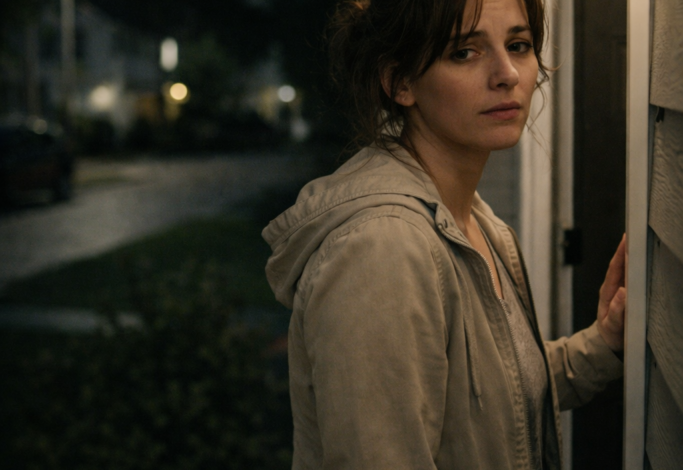
At first, the job was exactly what you’d expect: feeding schedules, nap routines, wiping tiny hands, keeping the place from turning into chaos. Alina always thanked me. Always polite. Always gentle.
But she was also guarded—like a door inside her stayed locked no matter how many normal days passed.
Then I noticed the pattern.
Every night, right at midnight, Alina left the apartment.
No announcement. No explanation. No “I’ll be back soon.” She’d just move quietly, like she didn’t want the building to remember she existed. And every morning, just before sunrise, she returned.
Sometimes her clothes looked slept-in, like she’d been somewhere uncomfortable. Once I spotted a faint bruise near her wrist. Another time, there was dirt on her sleeve, the kind you don’t get from walking to a corner store.
I didn’t ask. Not because I wasn’t curious—but because something about her silence felt protected. Like asking would make her life more dangerous, not less.
Still, certain moments stuck with me.
One evening I arrived early and found her sitting on the edge of the bed holding both kids close, her face pressed into their hair like she was trying to store the feeling for later. She didn’t notice me right away. And in that split second, I saw it clearly—fear, love, and a kind of grief that didn’t make sense for someone so young.
Two years went by like that.
Noah learned to giggle at everything. Iris fell asleep on my shoulder like it was her favorite place in the world. The apartment became familiar—morning light, soft cartoons, tiny socks in impossible places. I wasn’t family, but I wasn’t a stranger either.
And then one afternoon, Alina told me she was moving.
Her voice stayed steady, but her hands wouldn’t stop twisting together. I tried to act happy for her, but my stomach dropped. On her last day, boxes sat by the door. The kids played on the floor, unaware that their whole world was about to shift.
When it was time to say goodbye, she hugged me hard—too hard for a “thank you” hug. It wasn’t polite. It was desperate. And then she started crying.
I asked what was wrong.
She shook her head like there were things she couldn’t afford to say out loud.
That was the last time I saw her—until three days later.
Someone knocked on my door. Two police officers stood in the hallway, speaking carefully, like they were trying not to break something fragile. They showed me a photo.
Alina.
My chest tightened so fast I could barely breathe.
“She’s alive,” one of them said. “There was an accident early this morning. She’ll recover, but she needs time.”
Relief hit so hard my legs felt weak.
Then the officer added, “She listed you as her emergency contact.”
They handed me an envelope. Inside was a short note in Alina’s handwriting:
I don’t trust anyone else with my children. Please.
No one else.
Out of everyone in the world, she chose me.
A few hours later, I was on my way to the hospital. When I walked into her room, she looked smaller—pale, bruised, worn down to the edges. But the moment she saw me, her face crumpled. Tears slid down her cheeks as she reached out like she’d been holding her breath for days.
That’s when I finally understood how alone she’d been. And how much trust she’d been giving me, quietly, all along.
I brought Noah and Iris home with me.
For three weeks, my life became theirs again: early mornings, daycare drop-offs, bedtime stories, tiny hands reaching for comfort in the dark. Except now everything felt heavier—because now I knew what Alina had been doing at midnight.
The officers explained it gently, without details that didn’t belong to me.
Alina hadn’t been disappearing for a secret life.
She’d been helping people get out.
Women leaving dangerous situations. Kids who needed a safe place for one night. Families who had nowhere else to go. She was part of a quiet network that did what it could when the system moved too slowly and fear moved fast.
She’d been doing it without attention, without applause, without posting about it for approval.
And then she’d come home every morning and made breakfast like she hadn’t spent the night holding someone else’s world together.
When she was finally discharged, I brought Noah and Iris to see her. They ran straight into her arms, and the air in the room changed—like something inside all of us unclenched at once.
Alina looked at me differently this time. Still soft. Still tired. But no longer distant.
She held my hands and whispered a thank you that sounded like it carried two years of unsaid words.
I didn’t have a perfect response.
Because the truth is, Alina had been teaching me from day one: some of the strongest people you’ll ever meet don’t ask to be noticed. They don’t chase credit. They just keep showing up in the dark, helping others find a way out—until one day they need someone to show up for them.
If this story moved you, share what you would have done in my place—would you have asked questions, or simply stayed steady for the kids? Leave a comment and keep the conversation going.