Eastern Kentucky Farm Offers Flat Pasture, Timbered Hills and Two Gas Wells on Nearly 100 Acres

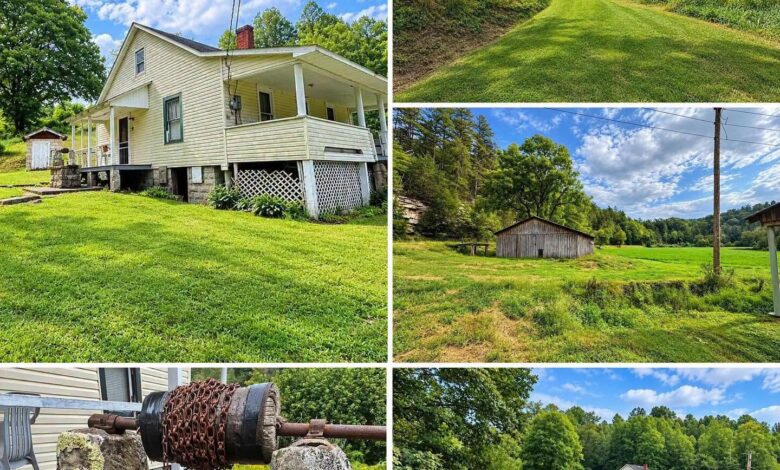
Nearly 100 Acres in Pikeville, Kentucky, Listed for $240,000 After a Price Reduction
A 96-acre farm in Eastern Kentucky is back on the market for $240,000, offering a mix of flat pasture, timbered hillsides, a creek, older farm buildings, and existing utility infrastructure. Located at 10625 Brushy Road in Pikeville, Pike County, the property could appeal to buyers seeking agricultural land, a rural homestead, recreational acreage, or a base for future construction.
The property is described as containing approximately 96 acres, although some property records reportedly identify 98 acres. That discrepancy should be resolved before a purchase agreement is finalized. At the current asking price, the property costs approximately $2,500 per acre using the 96-acre figure, or about $2,449 per acre if the full 98 acres are confirmed.
According to the supplied listing history, the property was first offered for $299,000 in July 2023 and was subsequently relisted at $260,000. On September 17, 2026, the asking price was reduced to $240,000 under Eastern Kentucky Association of Realtors MLS number 129359. The latest price is $59,000, or approximately 19.7%, below the original asking price.
While the acreage and variety of land features may attract attention, buyers should evaluate the property based on its verified boundaries, legal access, infrastructure, building limitations, and the condition of the existing structures rather than acreage alone.
A Mix of Flat Pasture and Mountain Terrain
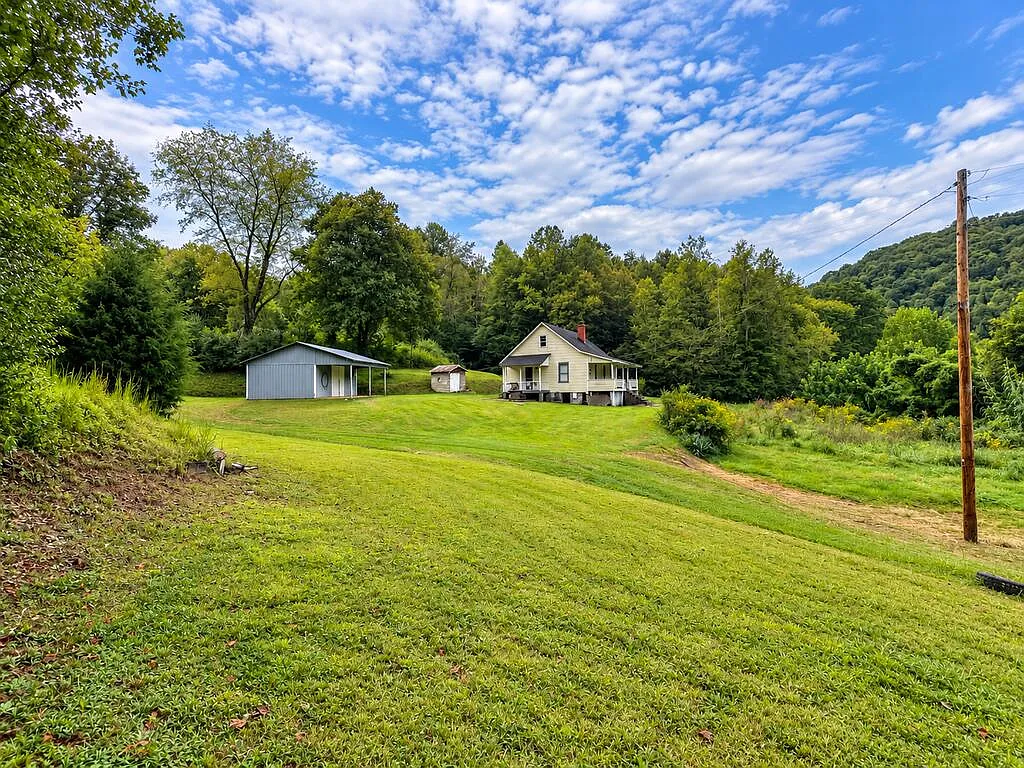
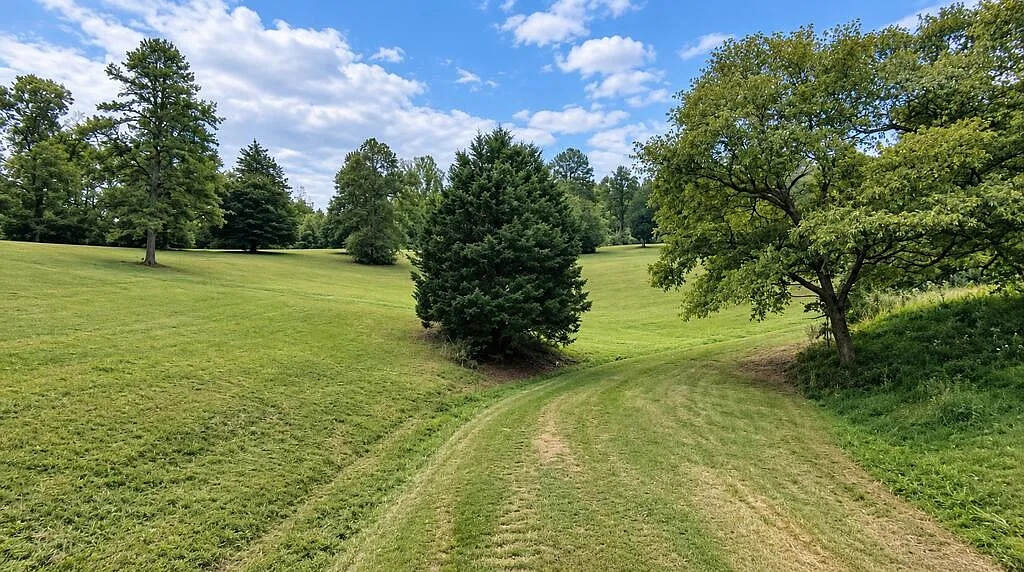
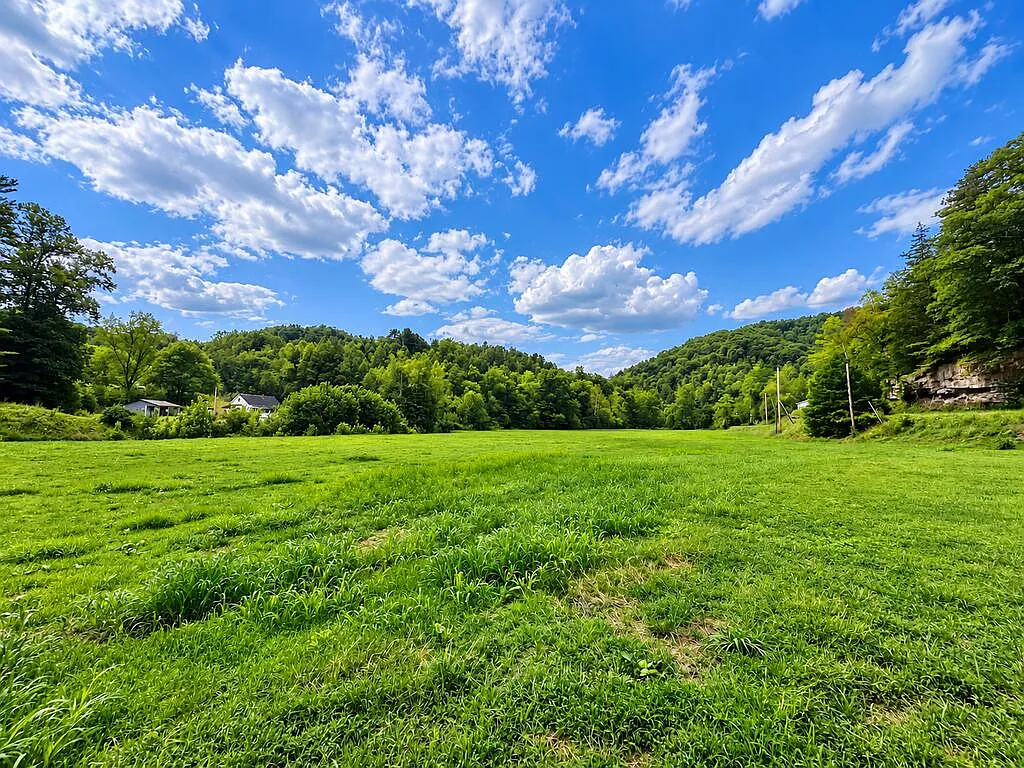
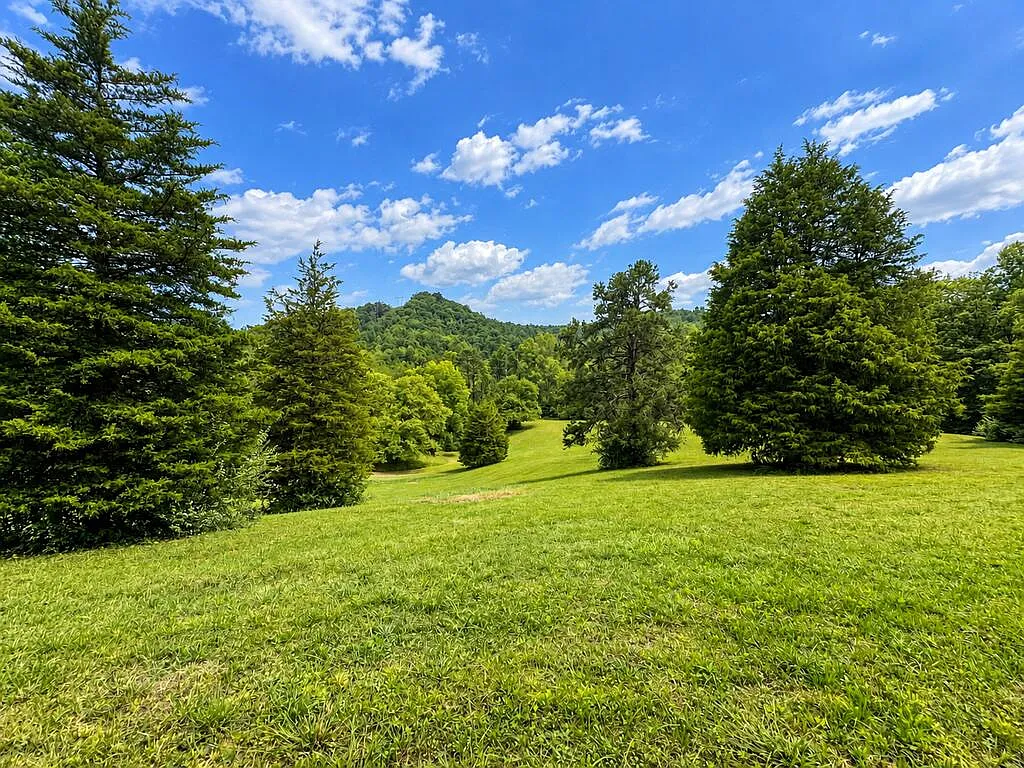
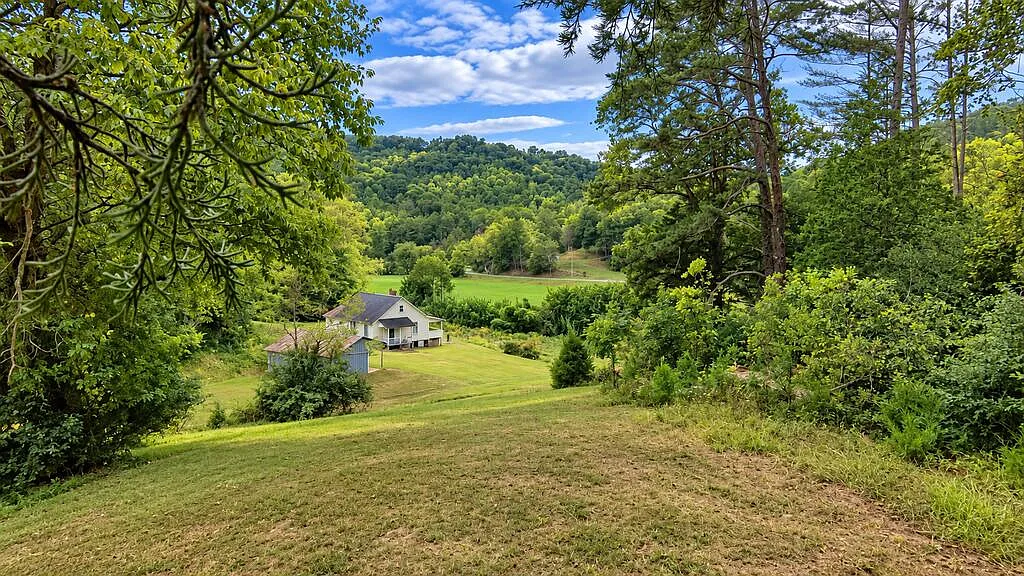
One of the property’s distinguishing features is the reported combination of relatively level ground near Brushy Road and rolling, timbered terrain farther into the tract.
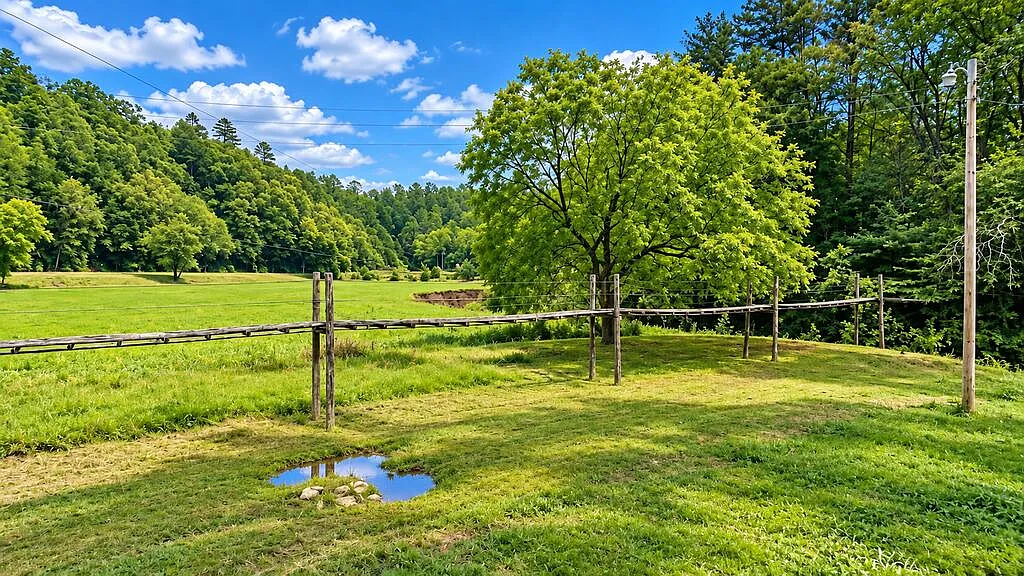
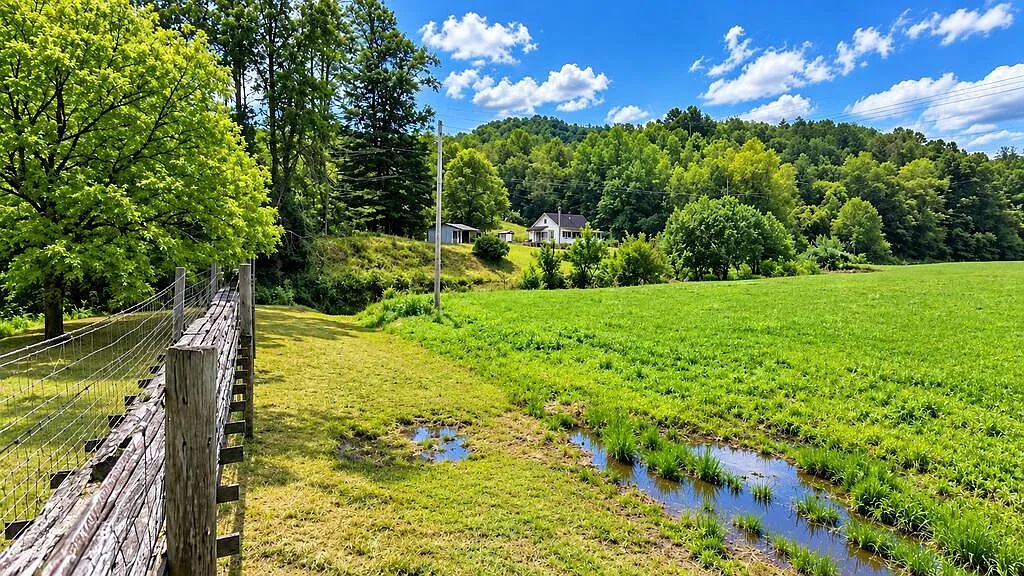
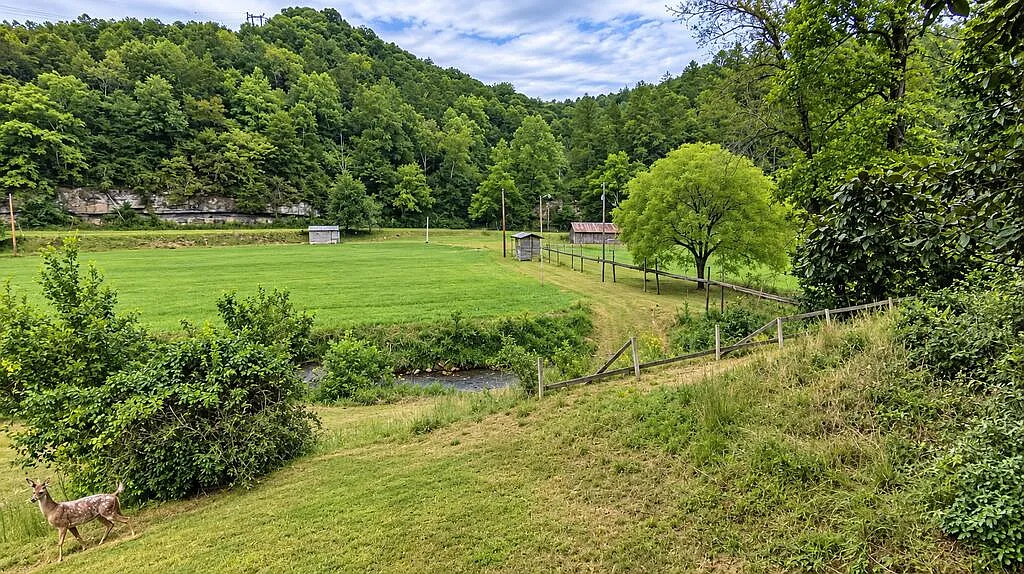
The front pasture is described as containing cleared, flat acreage that may be suitable for uses such as grazing, gardening, equipment storage, or certain agricultural activities. Compared with steep mountain slopes, level ground can provide more flexibility for farming and other land uses, although soil quality, drainage, flood exposure, and access should still be evaluated.
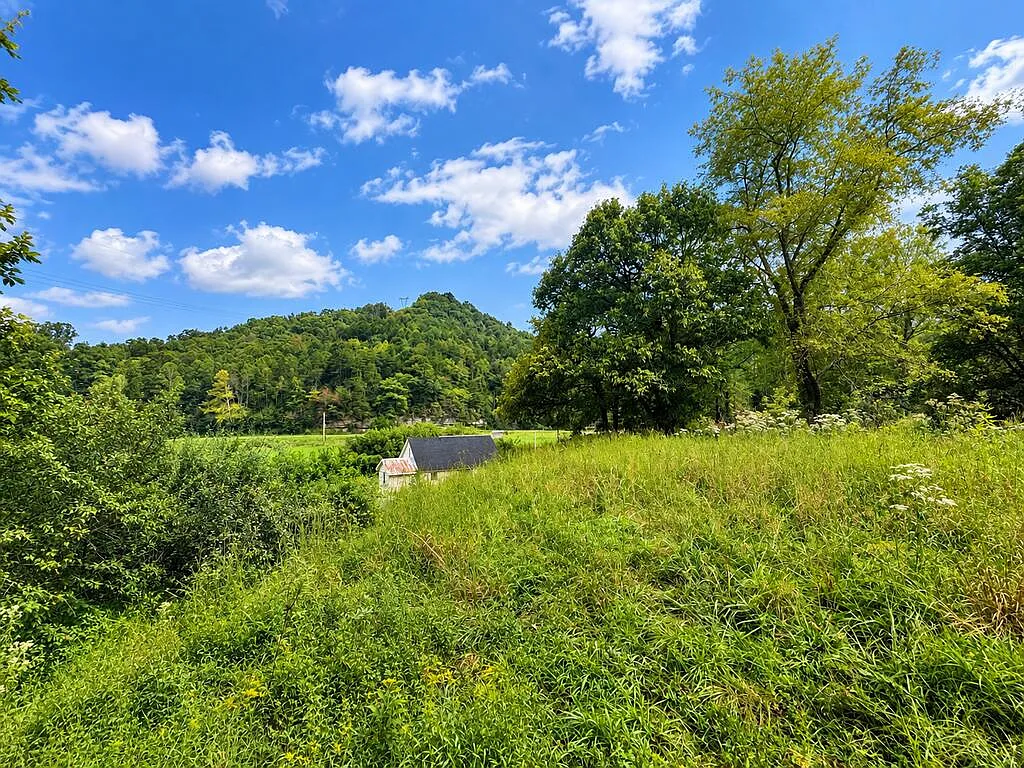
Beyond the pasture, the land reportedly rises into wooded hillsides with mature timber and naturally occurring flatter areas described locally as “house seats.” These benches could be worth investigating for potential building sites, subject to slope conditions, soil suitability, access, utilities, permits, and other applicable requirements.
The property therefore offers more than one type of terrain. Buyers interested in farming may focus on the lower pasture, while those considering a rural residence or recreational cabin may be more interested in the higher ground.
However, the existence of a relatively level area does not automatically establish that it is suitable for construction. A site evaluation may be needed to assess drainage, slope stability, foundation conditions, driveway access, and the feasibility of installing water and wastewater systems.
A Creek Runs Through the Property
A year-round mountain stream reportedly crosses the lower portion of the property, separating the front pasture from portions of the interior acreage.
The creek adds a natural feature to the landscape and may provide an attractive setting for recreation and wildlife observation. It could also affect how the property is used, particularly if buyers intend to reach the rear hillsides regularly with vehicles or equipment.
The supplied listing description identifies the stream crossing as a potential access challenge. Buyers should establish whether a suitable existing crossing is present and whether it can safely support their intended use.
If a new bridge, culvert, or other crossing is needed, its feasibility and cost will depend on the stream’s width and flow, bank conditions, flood risk, environmental requirements, and local permitting. Work near a waterway may require approvals, so buyers should consult the appropriate authorities before assuming that a crossing can be installed.
The creek’s location should also be considered when evaluating the front pasture. Floodplain status, seasonal flooding, erosion, and drainage may influence where equipment, livestock facilities, buildings, or other improvements can be placed.
For a buyer who plans to use the entire tract rather than only the front portion, the creek crossing may be one of the most important infrastructure questions to resolve.
An Older Farmhouse With Limited Warranted Value
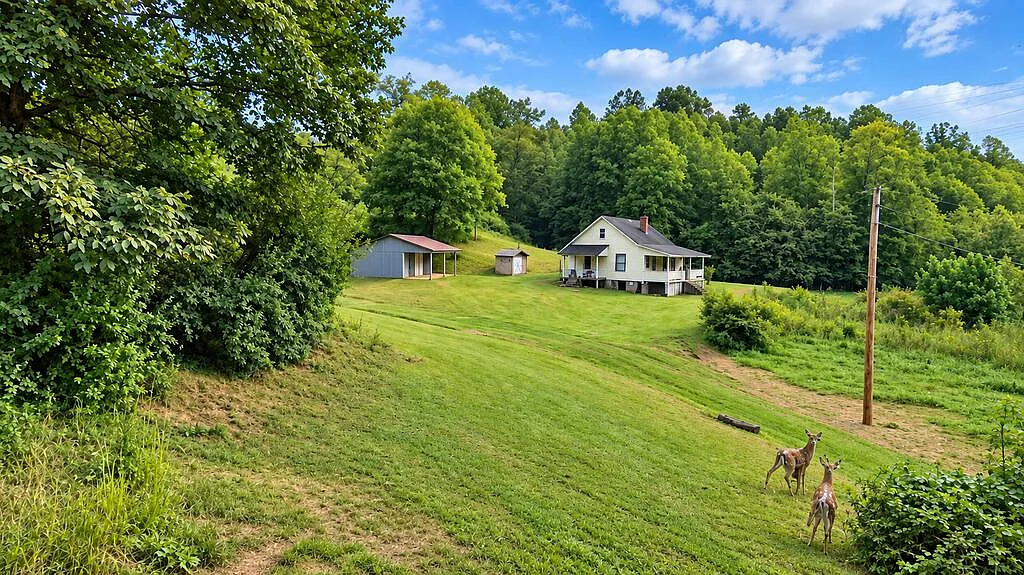
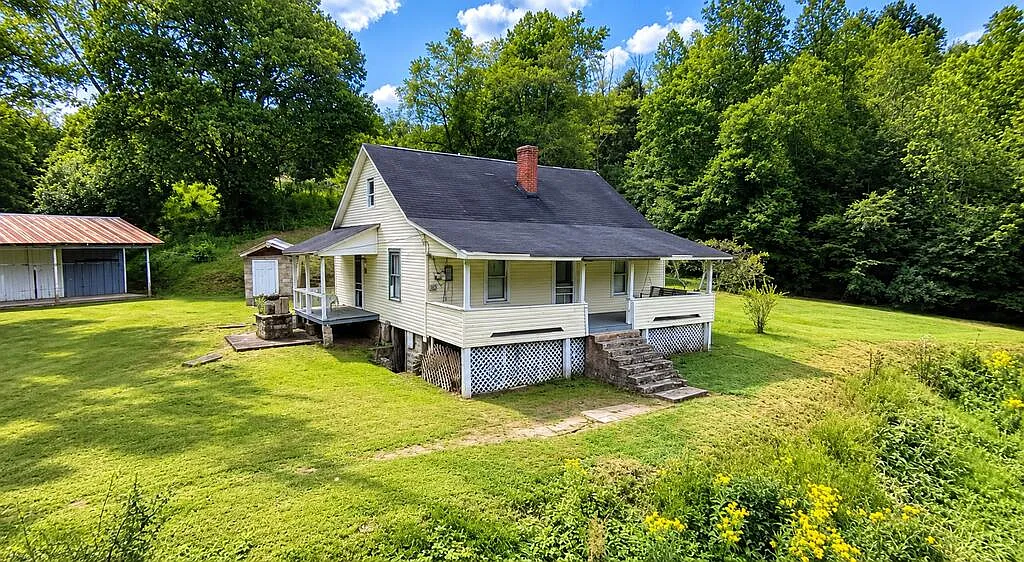
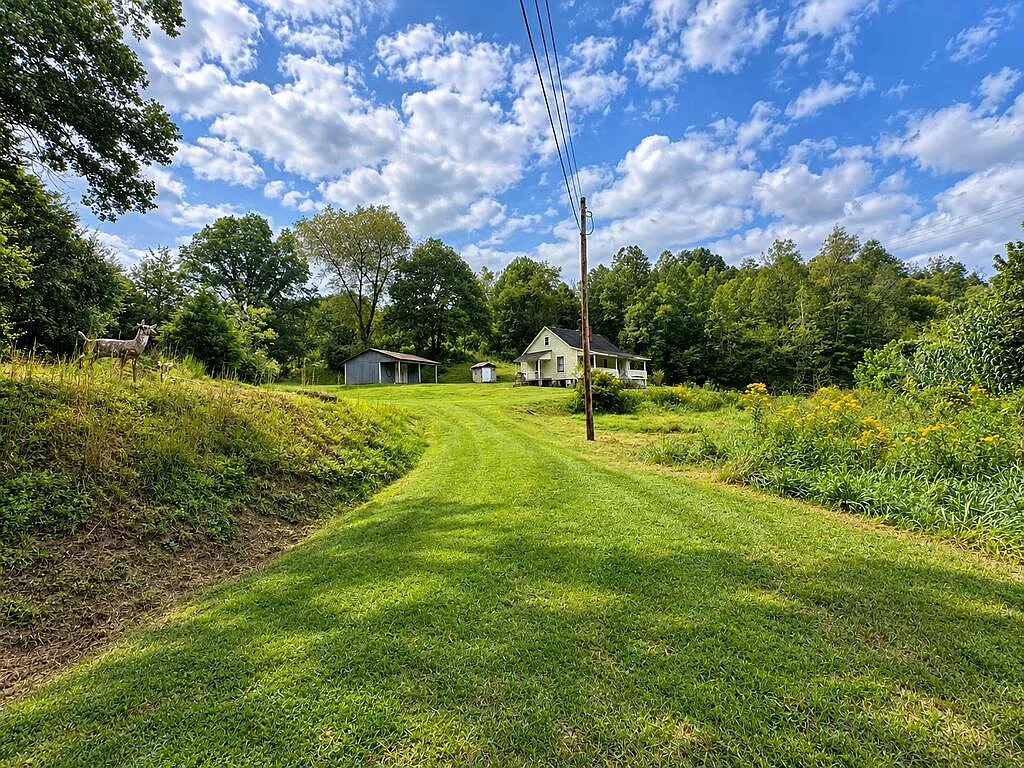
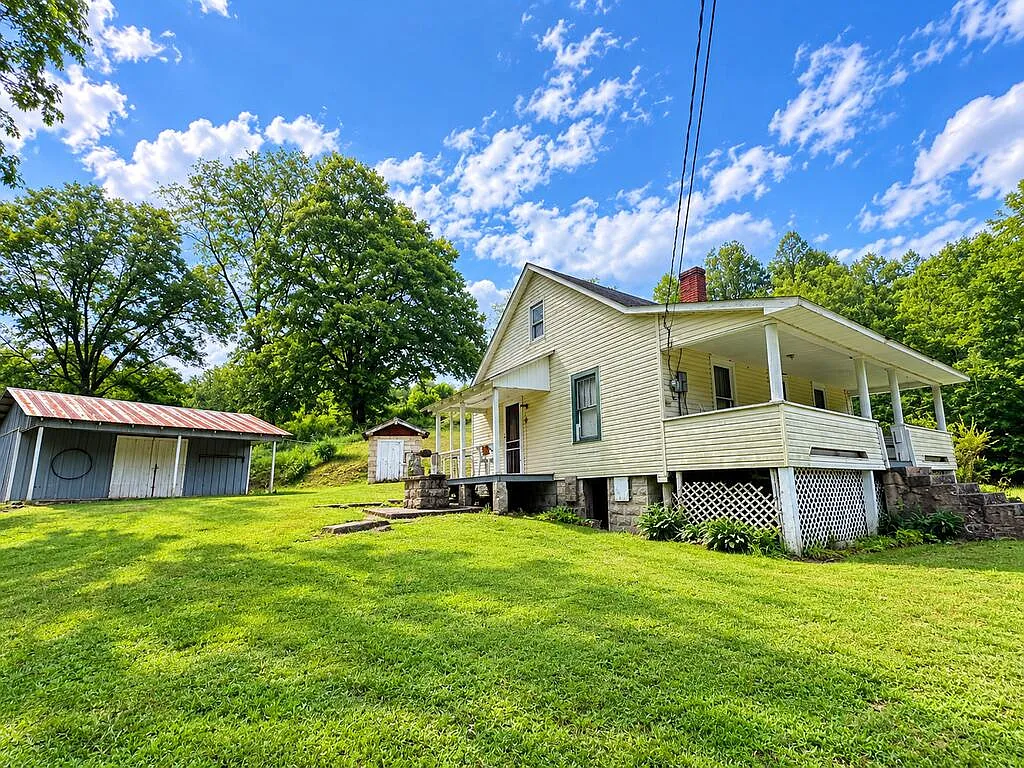
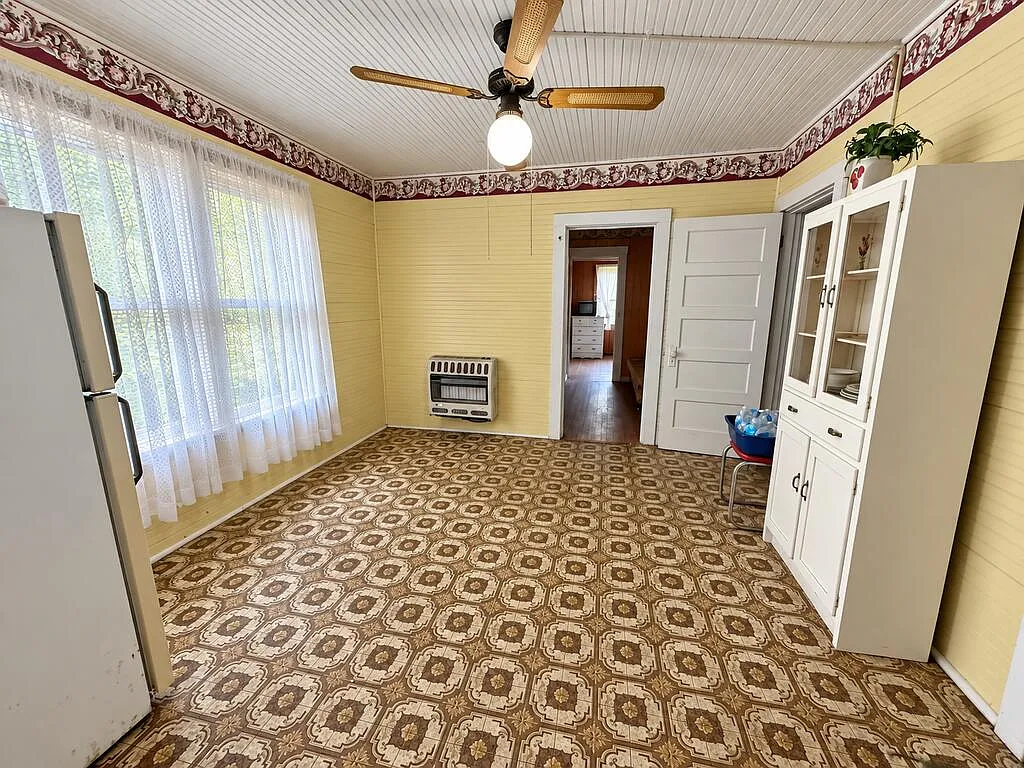
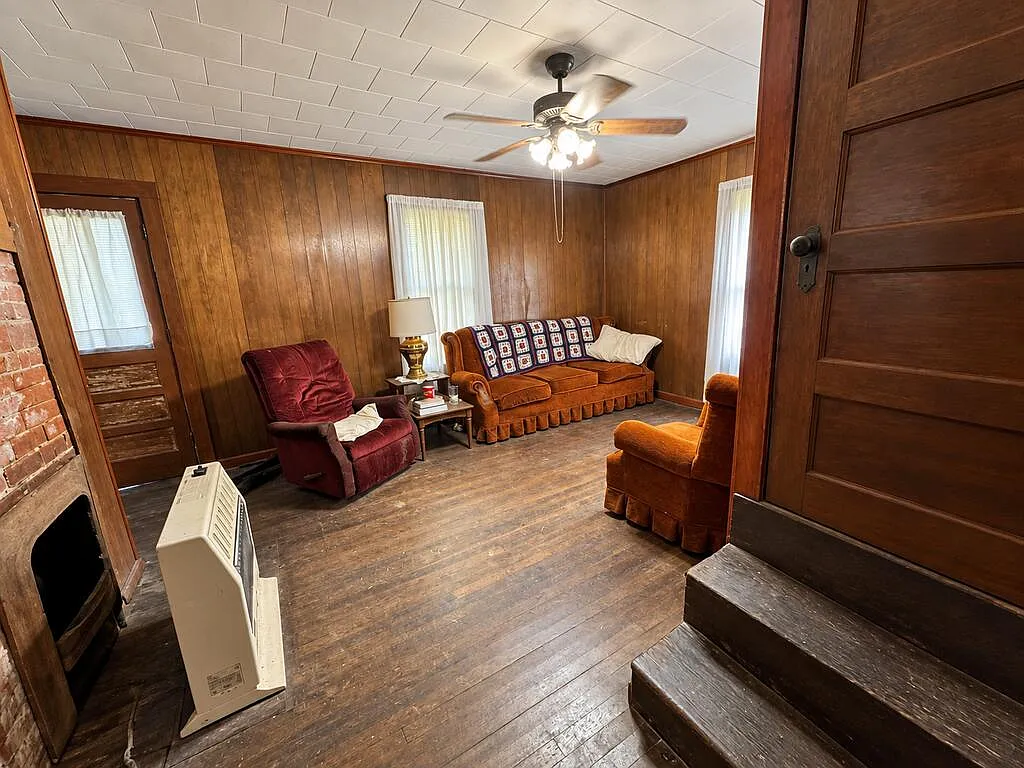
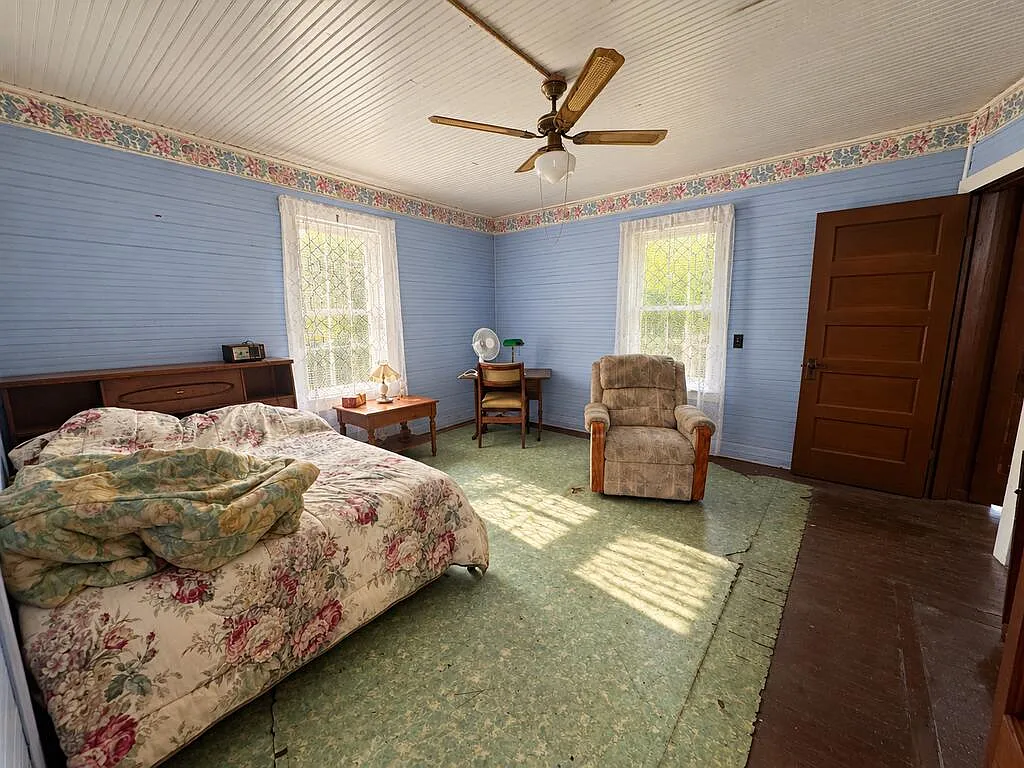
The property reportedly includes an older farmhouse with traditional features such as beadboard walls, a covered porch, and stone foundation work.
These details may appeal to buyers interested in restoring a historic rural structure. However, the supplied listing information assigns the farmhouse no warranted value, indicating that purchasers should not assume it is habitable or that its existing features are in serviceable condition.
The farmhouse is reportedly connected to a private well but does not have an installed septic system. That missing infrastructure is significant for anyone planning to use the building as a residence. A suitable wastewater system would need to be investigated, designed, permitted, and installed if allowed by the site’s conditions and applicable requirements.
Before deciding whether to renovate or demolish the house, buyers should arrange a structural inspection. The assessment should cover the foundation, framing, roof, floor systems, moisture damage, and any previous alterations. Electrical, plumbing, and other building systems should also be evaluated.
The cost of rehabilitation will depend on the extent of deterioration and whether the structure can reasonably be brought into compliance with current requirements. In some cases, removal and replacement may be more practical than restoration, but that decision should follow a professional assessment and a review of any applicable historic or demolition restrictions.
The farmhouse should therefore be treated as an uncertain existing improvement rather than a guaranteed source of usable living space.
Garage, Barn, Corn Shed and Other Farm Features
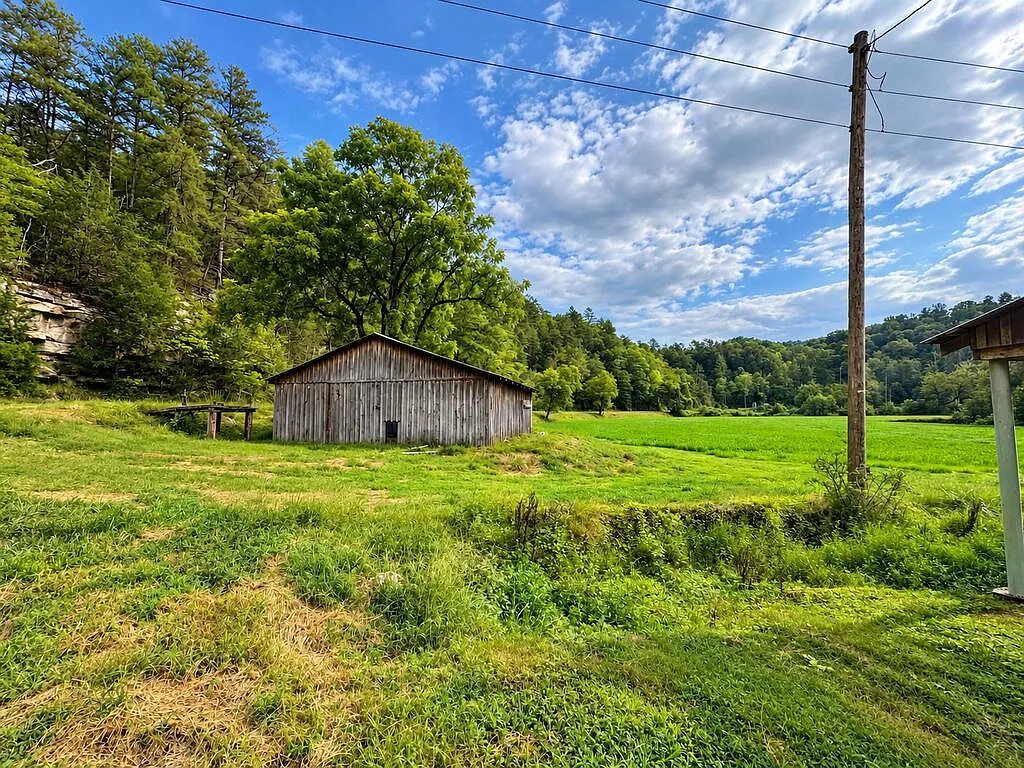
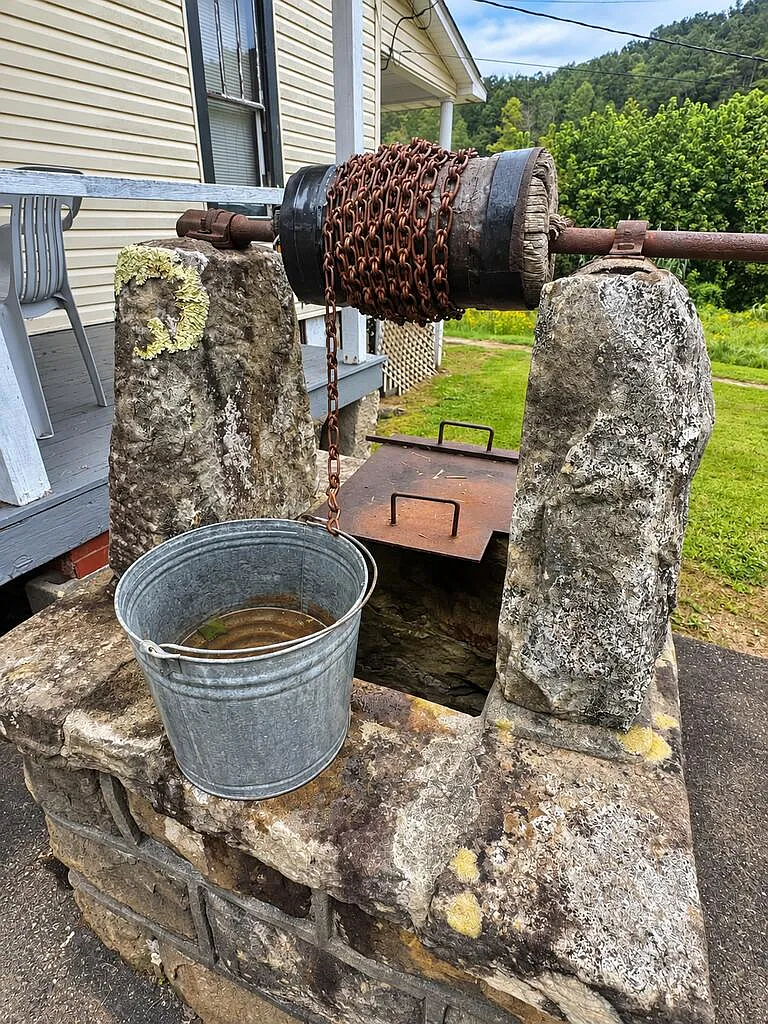
In addition to the farmhouse, the property reportedly includes a metal-and-wood storage garage, an older wooden barn, a corn shed, and an ornamental hand-dug stone wellhead with iron chain hardware.
These features contribute to the property’s rural character and may offer practical uses for equipment storage, agricultural supplies, or general farm maintenance. Their usefulness will depend on their structural condition, accessibility, and any work needed to make them safe.
The storage garage is described as functional, but prospective buyers should verify its condition during an inspection. Older barns and sheds can have deteriorated roofing, damaged framing, unstable foundations, or other issues that may not be obvious from a listing description.
The ornamental stone wellhead is another historic-looking feature, although its presence does not establish that the well is operational or that its water is safe. Any well intended for domestic use should be inspected and tested independently.
For buyers interested in a working farm or rural homestead, existing outbuildings can be useful. However, their value should be assessed according to their actual condition and intended use rather than assumed from their presence alone.
An Entrance Lot With Existing Utility Infrastructure
A separate feature described in the listing is a rental pad near the property’s main entrance. The pad reportedly has an existing septic system and well-water hookups, with an electrical connection also identified among the property’s existing infrastructure.
This area could be useful for a future mobile home, RV setup, or other permitted use. It may also offer an alternative to immediately undertaking a full renovation of the old farmhouse, depending on the site’s legal status and available services.
The supplied information suggests that the pad could potentially generate rental income. However, buyers should not assume that it can be rented immediately or that an RV or mobile home can automatically be placed there. They should verify the existing approvals, permitted occupancy, access arrangements, utility status, sanitation capacity, and any applicable health, building, or land-use requirements.
The septic system should be inspected to determine its condition and suitability for the proposed occupancy. Water connections should be checked, and the well should be tested for flow and water quality. Electrical service should also be confirmed with the appropriate provider and a qualified professional.
If the site is approved and the infrastructure is functional, the entrance pad could provide useful flexibility. Its potential income, however, will depend on what uses are legally allowed, the cost of preparing the site, local demand, and ongoing operating expenses.
Two Natural Gas Wells May Require Further Investigation
The property is described as having two existing natural gas wells. For some rural landowners, gas infrastructure may offer potential benefits, but the practical and financial implications depend on the wells’ ownership, operating status, contractual terms, and associated rights.
The listing information suggests that the wells could be relevant to domestic gas use or potential royalty income. Neither benefit should be assumed without reviewing the underlying agreements.
Buyers should determine whether the wells are active, who operates them, who owns the relevant mineral and gas rights, and whether any leases, easements, access rights, or surface-use agreements affect the property. They should also establish whether royalties are payable to the current owner and whether those rights would transfer with the sale.
In some arrangements, a landowner may have contractual rights to use gas domestically. Such rights are not automatic merely because a gas well is present. Any claim of free gas should be confirmed in writing through a review of the applicable agreements.
The wells and related equipment should also be inspected for safety and compliance. Buyers should understand any obligations involving maintenance, access for operators, environmental protection, or eventual well closure.
The existence of gas wells is therefore a feature worth investigating, not a guarantee of free heating fuel or additional income.
What Does the $240,000 Asking Price Mean?
At the current asking price of $240,000, the property works out to approximately $2,500 per acre based on the reported 96 acres. If a survey or reliable title documentation confirms 98 acres, the figure falls to approximately $2,449 per acre.
The supplied material cites a Pike County median asking-price benchmark of $3,169 per acre. Using that figure for comparison, the property’s $2,500-per-acre asking price is approximately 21.1% lower.
That comparison should be treated cautiously. The benchmark has not been independently verified here, and countywide land listings can differ significantly in terrain, access, timber, usable acreage, utility availability, water features, and legal restrictions. Asking prices also do not necessarily reflect completed sale prices.
The amount of flat, usable ground may be particularly important to the property’s appeal. A tract containing accessible pasture and potential building areas may serve different purposes from one consisting almost entirely of steep, wooded slopes. However, the amount of usable land should be confirmed through an on-site assessment and review of topographic and other relevant records.
The property also contains a combination of improvements and infrastructure that may reduce certain development requirements if those assets are serviceable. The entrance pad, well and septic infrastructure, storage buildings, and reported gas wells should each be evaluated individually.
It would be premature to assign a specific dollar value to these features without inspections, comparable transactions, and documentation of their legal status. The overall purchase decision should account for the condition of the farmhouse, creek-crossing requirements, maintenance costs, and the intended use of the land.
Agricultural, Residential and Recreational Possibilities
The property may suit several different buyer profiles, but the most appropriate use will depend on the land’s physical characteristics and applicable regulations.
Agricultural buyers may be interested in the flat pasture for livestock, gardening, or other suitable farming activities. Soil quality, fencing, drainage, water access, and the size of the genuinely usable area should be evaluated before planning an operation.
Homesteaders may appreciate the combination of open ground, wooded terrain, water features, and existing farm buildings. Before moving forward, they should confirm whether the farmhouse can be restored or whether a new residence would be more practical. They should also establish whether the land can accommodate the desired sanitation, utility, and access arrangements.
Recreational buyers may value the stream, wooded hillsides, and privacy associated with a large rural tract. The usefulness of the interior acreage will depend partly on safe and legal access across the creek.
Buyers considering additional homes or cabins may wish to investigate the reported house seats. Each proposed building location would need to be assessed for access, foundation conditions, drainage, utilities, wastewater disposal, and required approvals.
Investors and land buyers may be attracted by the acreage and the reported price reduction. However, the property’s future resale value and investment return cannot be established from the asking price alone. Any investment assessment should account for holding costs, market demand, access improvements, infrastructure condition, and the legal status of gas and mineral rights.
Understanding the Risks and Ongoing Costs
Although the asking price may be attractive to buyers seeking a large tract, several issues could materially affect the property’s usefulness and total cost of ownership.
The first is the acreage discrepancy. A difference between 96 and 98 acres should be resolved through reliable legal descriptions, deed records, and, if necessary, a professional boundary survey.
The second is the farmhouse. Its reported zero-warranted-value status and lack of a septic system mean that buyers should not include it in their plans as a functioning residence without further investigation.
The third is the creek. If access to the rear acreage depends on a new bridge or culvert, the cost and permitting requirements could be significant.
The fourth is the utility infrastructure. A well, septic system, electrical connection, or gas well may be present without being fully functional or suitable for the buyer’s intended use.
Finally, buyers should verify the statement that the property has no municipal zoning restrictions. The absence of conventional municipal zoning does not necessarily mean that every use is permitted. Building codes, septic requirements, floodplain rules, environmental restrictions, road access, and other county, state, or federal requirements may still apply.
Annual property taxes are estimated in the supplied material to be below $450, with no homeowners association fees reported. The current tax amount and any other recurring charges should be confirmed through the appropriate records.
Essential Due Diligence Before Buying
Before making an offer, prospective buyers should consider the following checks:
- Confirm the acreage and boundaries: Review the deed, legal description, parcel records, and survey information to resolve the reported 96-versus-98-acre discrepancy.
- Review title and mineral rights: Investigate ownership of the gas and mineral rights, existing leases, royalty arrangements, operator access, and any restrictions affecting the surface property.
- Verify domestic gas rights: Obtain and review written documentation before assuming that gas can be used free of charge or that royalty payments will transfer to the buyer.
- Inspect the gas wells: Determine their operating status, safety requirements, maintenance obligations, and any potential environmental or closure liabilities.
- Test the water wells: Arrange water-quality testing and assess flow, pumps, equipment, and the reliability of the water supply.
- Inspect the entrance pad’s septic system: Confirm the system’s condition, capacity, approval status, and suitability for any proposed rental or RV use.
- Evaluate the farmhouse: Obtain a professional assessment of the foundation, framing, roof, and other major components, and determine whether renovation or removal is more practical.
- Investigate creek-crossing options: Consult qualified contractors and the relevant authorities about the feasibility, permitting, and likely cost of a bridge or culvert.
- Assess potential building sites: Review topography, drainage, soil conditions, access, and wastewater disposal options before relying on the reported house seats for future construction.
- Verify taxes and land-use rules: Confirm current property taxes, permitted uses, building requirements, and any restrictions affecting agricultural, residential, recreational, or mobile-home uses.
Final Thoughts
The property at 10625 Brushy Road in Pikeville, Kentucky, is listed for $240,000 and is described as containing approximately 96 acres, with some records reportedly indicating 98 acres. Its combination of flat pasture, wooded hillsides, a creek, farm outbuildings, an entrance lot with reported utilities, and two natural gas wells makes it a varied rural property rather than a simple tract of undeveloped land.
At approximately $2,500 per acre using the 96-acre figure, the asking price provides a useful starting point for evaluating the property. However, the final value depends on the amount of usable land, the condition and legal status of the existing infrastructure, the cost of crossing the creek, and the terms associated with the gas wells and mineral rights.
For buyers considering farming, homesteading, recreation, or future construction, the property may warrant a closer look. The most important step is to verify the acreage, inspect the existing improvements, confirm utility and gas-rights arrangements, and determine the full cost of making the land suitable for the intended use.
This article is based on the supplied property information and is intended for informational purposes only. Listing details, acreage, price comparisons, tax estimates, utility status, gas rights, and potential uses should be independently verified. This is not an appraisal, legal opinion, engineering assessment, or guarantee of investment performance.
Listed on Zillow