1.8 Acres Near Warsaw for Just $6,000 – Build Your Future Here

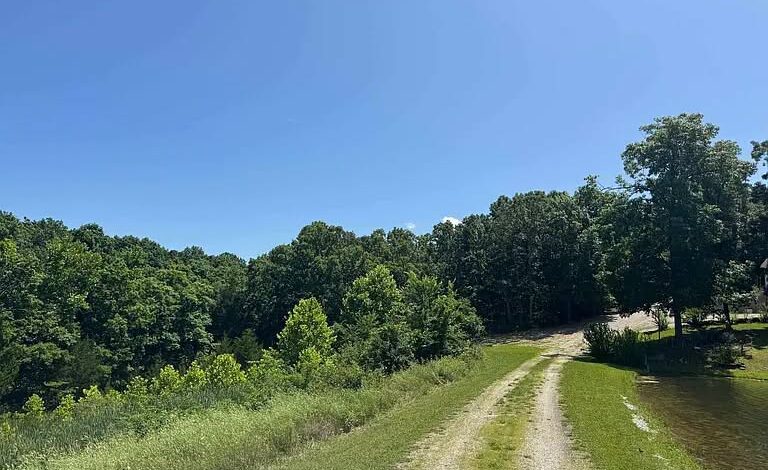
1.8-Acre Missouri Building Lot Just Minutes From Warsaw for $6,000
Affordable land can be difficult to find, particularly for buyers who want enough room for a future home without taking on a large rural property. Near Warsaw, Missouri, an approximately 1.8-acre unimproved parcel is being offered for $6,000, creating an opportunity for someone interested in land ownership and potential future development.
The property is described as a building lot and is located just outside Warsaw. According to the listing, shopping, restaurants, and downtown Warsaw are approximately five minutes away, giving the parcel a combination of rural surroundings and convenient access to town.
Because the land is unimproved, there is currently no home or established residential infrastructure described on the property. Anyone considering the parcel should therefore look beyond the $6,000 purchase price and investigate the costs and requirements associated with making the land usable for their intended purpose.
For buyers who have been searching for an affordable piece of Missouri land, however, 1.8 acres can provide an interesting starting point.
A Small Parcel With a Convenient Location
Location is one of the most notable aspects of this property.
Rural land can sometimes mean being many miles from stores, restaurants, services, and other necessities. This parcel is described as being only about five minutes from downtown Warsaw, shopping, and restaurants.
That proximity could be appealing to someone who wants a quieter setting without being completely removed from everyday conveniences.
A future homeowner could potentially enjoy the additional space associated with acreage while still having relatively quick access to town.
Buyers should independently verify the exact location, surrounding properties, road access, and distances to services before purchasing.
What $6,000 Gets You
The asking price of $6,000 is likely to be the first thing that catches attention.
For that price, the buyer is acquiring approximately 1.8 acres of unimproved land rather than an existing home. That distinction is important because the purchase price represents only the beginning of the potential costs if development is planned.
Possible future expenses could include:
- Surveying
- Site preparation
- Grading
- Driveway construction
- Utility connections
- Well installation
- Septic installation
- Soil testing
- Building permits
- Engineering or architectural work
- Foundation construction
- Home construction
- Landscaping
The actual cost will depend heavily on the parcel’s terrain, utilities, soil conditions, access, and local regulations.
A Blank Canvas for a Future Home
One of the potential attractions of vacant land is flexibility.
There is no existing house dictating the layout or location of future improvements. If residential construction is permitted and the site proves suitable, a future owner could potentially design a home around their own needs.
A buyer might envision a modest country home, a larger residence, a garage, a garden, or outdoor living areas.
Those are possibilities rather than existing features, however. The listing describes the property as a building lot, but buyers should still verify what can actually be constructed before purchasing.
Zoning, setbacks, access, septic requirements, building codes, and utility availability can all influence the property’s development potential.
Why 1.8 Acres Can Be an Appealing Size
At approximately 1.8 acres, the property sits somewhere between a traditional residential lot and a much larger rural tract.
That can be an appealing middle ground for buyers who want more space without necessarily wanting dozens of acres to maintain.
Depending on the property’s layout and terrain, there could potentially be room for a future home, driveway, outdoor space, gardening, and permitted accessory structures.
However, the total acreage does not necessarily equal usable building area.
Topography, drainage, easements, vegetation, setbacks, and septic requirements can all reduce the portion of a parcel that is practical for construction.
Potential Building Opportunity
The listing specifically identifies the property as a building lot.
For someone planning a future residence, this could make the parcel particularly interesting.
Building a home from the ground up can allow an owner to choose the floor plan, materials, energy-efficiency features, storage, outdoor spaces, and other elements from the beginning.
A future home could potentially be designed as a single-story residence, a traditional country house, or another permitted residential structure.
The right choice would depend on the buyer’s budget, intended use, site conditions, and local regulations.
Before committing to construction, buyers should confirm that the parcel can support the type and size of home they have in mind.
Utilities Need to Be Verified
Utilities are one of the most important questions with any unimproved property.
The supplied listing information does not establish the complete utility situation for the parcel. Buyers should therefore determine whether electricity, public water, sewer, natural gas, internet, or other services are available nearby and what it would cost to connect them.
If public water and sewer are unavailable, a private well and septic system may be necessary.
That makes soil conditions particularly important. A parcel may be large enough for a home but still face challenges if there is insufficient suitable area for a septic system.
Prospective buyers should obtain information directly from the relevant utility providers and local authorities rather than assuming services are available simply because the property is described as a building lot.
Access and Road Conditions
Legal and practical access should also be confirmed.
The listing identifies the property as being near Warsaw, but buyers should review the exact legal description and determine how the parcel connects to the public road system.
If access involves a private road or recorded easement, buyers should understand who maintains the road and whether there are any shared maintenance obligations.
It can also be useful to visit the property in person and evaluate the road under different weather conditions.
A parcel that looks easily accessible on a map may have different practical characteristics once viewed from the ground.
Survey and Property Boundaries
A professional survey can be especially useful when purchasing vacant land.
The listing describes approximately 1.8 acres, but buyers should verify the actual boundaries, dimensions, easements, and any encroachments.
Knowing exactly where the property begins and ends becomes particularly important if a future owner plans to construct a home, driveway, fence, garage, or other improvements.
A survey can also help identify whether the available building area is sufficient after required setbacks and other restrictions are taken into account.
Zoning and Building Rules
The term “building lot” should not be treated as a guarantee that every desired project will be approved.
Before purchasing, buyers should confirm the property’s zoning classification and determine whether their intended use is permitted.
Questions worth asking include:
- Is a single-family home permitted?
- Are manufactured or modular homes allowed?
- What are the required setbacks?
- Are accessory buildings permitted?
- Is there a minimum home size?
- Are there driveway requirements?
- What septic standards apply?
- Are there deed restrictions?
- Are short-term rentals permitted?
- Are there restrictions on fencing or other improvements?
These details can significantly affect the property’s usefulness.
Potential Country Lifestyle
If residential construction is permitted, the parcel could potentially provide the foundation for a quieter country lifestyle.
Approximately 1.8 acres could offer more outdoor space than a typical town lot while still keeping the property relatively manageable.
A future owner might use part of the property for gardening, outdoor entertaining, recreation, or other permitted activities.
The actual surroundings should be evaluated in person, particularly if privacy is an important factor. Neighboring properties, road noise, terrain, drainage, and nearby development can all influence the experience of owning the land.
Close to Warsaw
The property’s proximity to Warsaw is another practical advantage mentioned in the listing.
A roughly five-minute drive to shopping, restaurants, and downtown could make the location convenient for everyday living.
For someone considering building a primary residence, this could provide an appealing balance between having additional land and remaining close to established community services.
The exact travel time should still be verified from the property’s precise location, particularly because traffic, road conditions, and the specific destination can affect actual driving times.
Outdoor Recreation Around Warsaw
The broader Warsaw area is known for its access to outdoor recreation and natural surroundings.
The region can appeal to people interested in activities such as fishing, boating, hiking, camping, and spending time outdoors.
For a future homeowner, the ability to enjoy outdoor recreation while remaining close to town could be part of the property’s appeal.
However, buyers should research the exact distances to recreational destinations rather than assuming that every attraction is immediately nearby.
Could Be a Long-Term Land Holding
Not every buyer of vacant land plans to build immediately.
Someone could potentially purchase the parcel and hold it while developing a longer-term plan.
The buyer might spend time researching construction costs, financing, utilities, zoning, and site preparation before deciding whether to build.
Land values can change over time, but future appreciation should never be assumed. Local demand, infrastructure, development patterns, taxes, and broader market conditions can all affect the value of vacant property.
The decision to hold the land should therefore be based on the buyer’s own financial objectives and research.
A Possible Future Retirement Property
The parcel could also interest someone planning for a future downsized or retirement home.
A buyer could potentially design a single-story home with features such as minimal stairs, an accessible primary suite, efficient storage, and a manageable outdoor area.
The relatively modest acreage could provide outdoor space without creating the maintenance responsibilities associated with a much larger farm.
Again, none of these improvements currently exist. They would depend on whether development is permitted and whether the property proves suitable for construction.
Designing a Custom Country Home
One of the attractions of buying vacant land is the ability to start with a clean slate.
A future home could potentially include features such as:
- A single-level floor plan
- Open kitchen and living areas
- Primary bedroom on the main level
- Home office
- Covered front or rear porch
- Garage
- Workshop or storage building
- Garden area
- Outdoor entertaining space
- Energy-efficient construction
- Low-maintenance landscaping
The possibilities would depend on the site’s physical characteristics, local regulations, and the buyer’s budget.
The Importance of Soil and Septic Testing
If the property does not have access to public sewer, septic feasibility could become one of the most important factors in determining whether a home can be built.
A qualified professional should evaluate the soil and site conditions according to applicable local requirements.
The buyer should also determine where a future septic system, replacement area, driveway, and home could be located.
These considerations should be addressed before assuming that the entire 1.8 acres is available for development.
Evaluating the True Cost
The $6,000 asking price may make the property look inexpensive, but buyers should calculate the complete cost of their intended project.
For example, a future homebuilder may need to budget for:
- Land purchase
- Closing costs
- Survey
- Soil testing
- Driveway
- Clearing and grading
- Utilities
- Well
- Septic system
- Foundation
- Home construction
- Landscaping
- Permits
- Property taxes
- Insurance
In some cases, infrastructure costs can represent a significant portion of the total project budget.
Getting local estimates before purchasing can provide a much clearer picture of whether the parcel fits the buyer’s plans.
Visit the Property Before Buying
Vacant land should ideally be inspected in person.
Walking the property can reveal details that maps and listing descriptions cannot fully communicate.
Buyers can evaluate the terrain, vegetation, drainage, neighboring properties, road conditions, noise, views, and potential building areas.
It can also help a buyer visualize where a future house and driveway might be positioned.
For a parcel without an existing structure, seeing the land firsthand may be even more important than viewing photographs of a finished home.
A Practical Due-Diligence Checklist
Before purchasing this 1.8-acre Missouri parcel, buyers may want to verify:
- Exact property boundaries
- Legal access
- Road maintenance responsibilities
- Zoning classification
- Permitted residential uses
- Setback requirements
- Utility availability
- Electricity connection costs
- Public water availability
- Well requirements
- Sewer availability
- Septic feasibility
- Soil conditions
- Drainage
- Easements
- Deed restrictions
- Property taxes
- Survey requirements
- Building permits
- Construction estimates
- Insurance requirements
Confirming these details can help prevent unexpected costs after closing.
An Affordable Entry Into Land Ownership
At $6,000, the parcel provides a relatively inexpensive entry point for someone interested in owning land near Warsaw.
It is not a finished home or established income-producing property. Instead, its appeal comes from the combination of approximately 1.8 acres, a location near town, and the possibility of future use.
For one buyer, it could eventually become a homesite. For another, it could be a long-term land holding.
The most important factor is determining whether the property’s actual characteristics and development requirements match the buyer’s plans.
Final Thoughts
This approximately 1.8-acre parcel near Warsaw, Missouri, offers an interesting opportunity for buyers looking for affordable land with potential future uses.
Listed at $6,000, the property provides more space than a conventional residential lot while remaining close to shopping, restaurants, and downtown Warsaw according to the listing.
The property is described as a building lot, making future residential construction one possible direction. But because the parcel is unimproved, buyers need to investigate utilities, access, zoning, soil conditions, septic feasibility, setbacks, and development costs before making a purchase.
The relatively modest acreage could also appeal to someone who wants a country setting without the maintenance responsibilities of a much larger rural tract.
Ultimately, the property’s value will depend on what can realistically be done with the land and how much it would cost to accomplish those plans.
For buyers willing to conduct thorough due diligence, this 1.8-acre Missouri parcel could provide an affordable starting point for future land ownership, a custom home project, or another permitted use near Warsaw.
Property Facts & Features
- Location: Near Warsaw, Missouri
- Property Type: Unimproved land / building lot
- Acreage: Approximately 1.8 acres
- Price: $6,000
- Existing Home: None
- Setting: Just outside Warsaw
- Nearby Amenities: Shopping, restaurants, and downtown Warsaw approximately five minutes away according to the listing
- Potential Use: Future residential construction or other permitted use, subject to verification
- Utilities: Must be independently verified
- Road Access: Must be independently verified
- Zoning: Must be verified
- Septic/Soil: Must be evaluated before development
- Survey: Recommended to confirm boundaries and usable area
- HOA: No HOA information provided in the supplied listing
- Listed on Zillow.