A Peaceful West Virginia Mountain Retreat Near Branchland: Wooded Land, Privacy and Endless Outdoor Potential

A Peaceful West Virginia Mountain Retreat Near Branchland: Wooded Land, Privacy and Endless Outdoor Potential
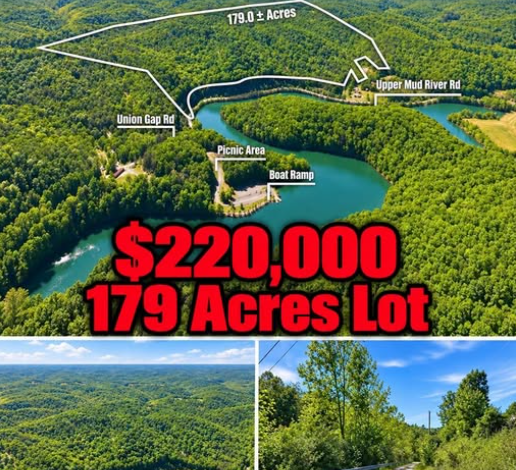
For those searching for a place where the landscape itself becomes the main attraction, a large wooded property near Branchland, West Virginia, offers an appealing opportunity to step away from the noise of everyday life. Surrounded by quiet countryside and mature timber, this expansive recreational tract provides the kind of privacy and natural setting that is increasingly difficult to find.
There is no existing home or collection of buildings competing for attention here. Instead, the property offers something different: a blank canvas surrounded by forest, rolling terrain, established trails, and abundant outdoor possibilities.
Whether the dream is to create a private hunting retreat, establish a weekend camping destination, build a secluded cabin, or simply own a large piece of West Virginia countryside, this property offers plenty of room to imagine what comes next.
Its combination of mature woodland, cleared areas, recreational trails, gated access, and nearby outdoor opportunities makes it particularly interesting for buyers who value land, privacy, and direct access to nature.
A True Countryside Escape
One of the defining qualities of this property is its peaceful rural atmosphere.
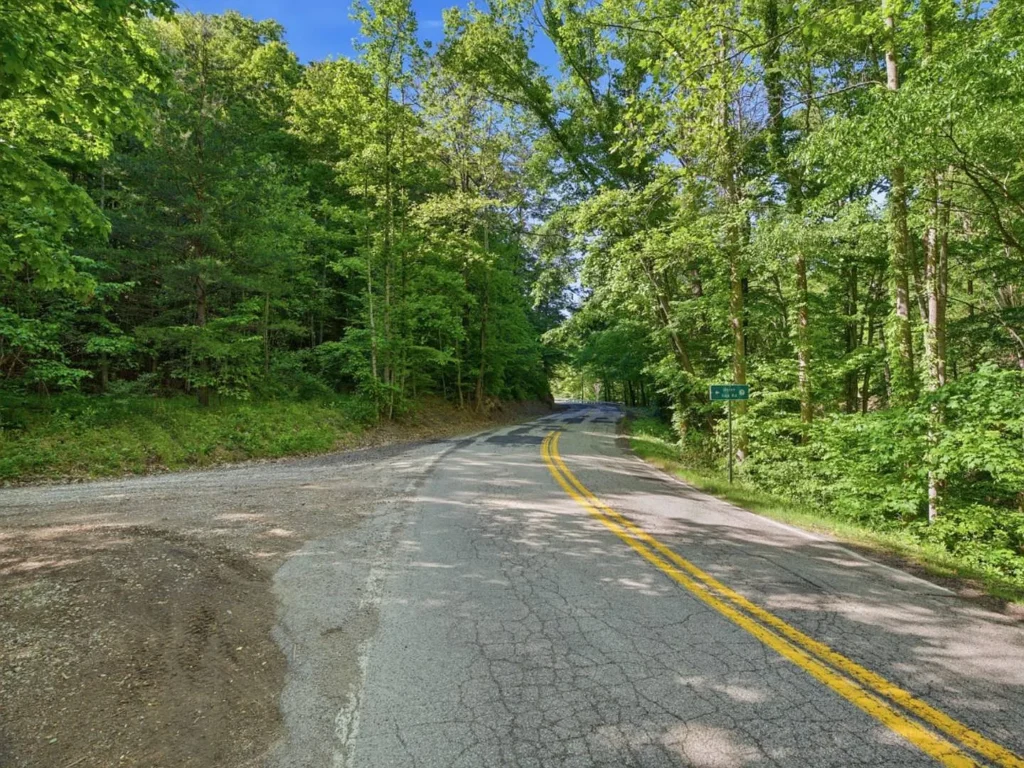
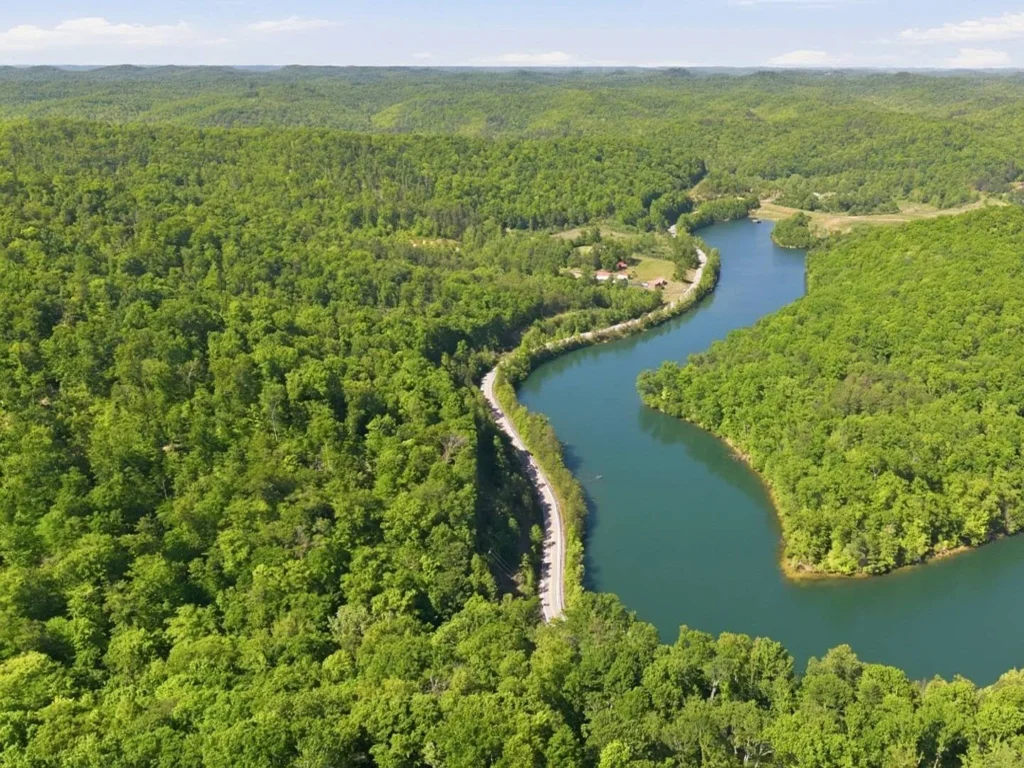
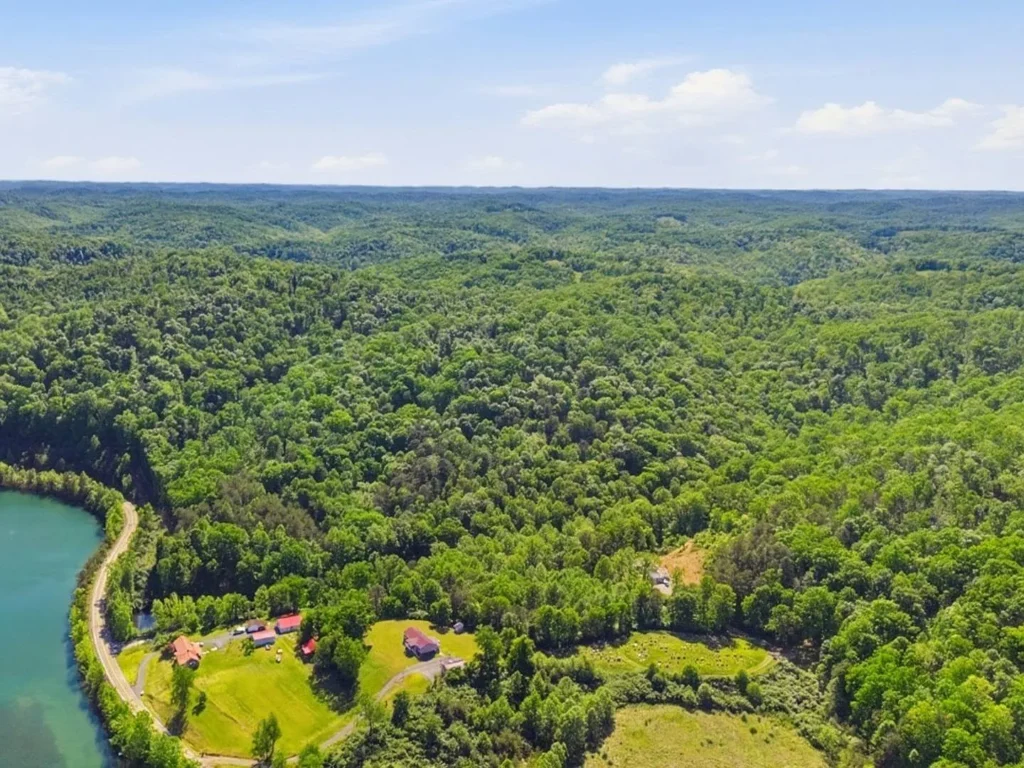
Located near Branchland, the land is surrounded by the type of scenery that gives West Virginia its reputation for rugged beauty. Instead of dense development and busy roads, the setting is characterized by wooded surroundings, open stretches of countryside, rolling terrain, and a sense of separation from the everyday world.
For a buyer looking for privacy, that environment can be just as important as the size of the property itself.
Large wooded tracts provide a different experience from conventional residential lots. There is room to wander, explore, create trails, establish recreation areas, and enjoy the changing landscape throughout the seasons.
The property could serve as a place to spend summer weekends, autumn hunting trips, winter escapes, or quiet spring mornings surrounded by trees and wildlife.
It is the kind of land where the experience begins the moment you pass through the entrance.
Mature Timber Creates a Private Forested Setting
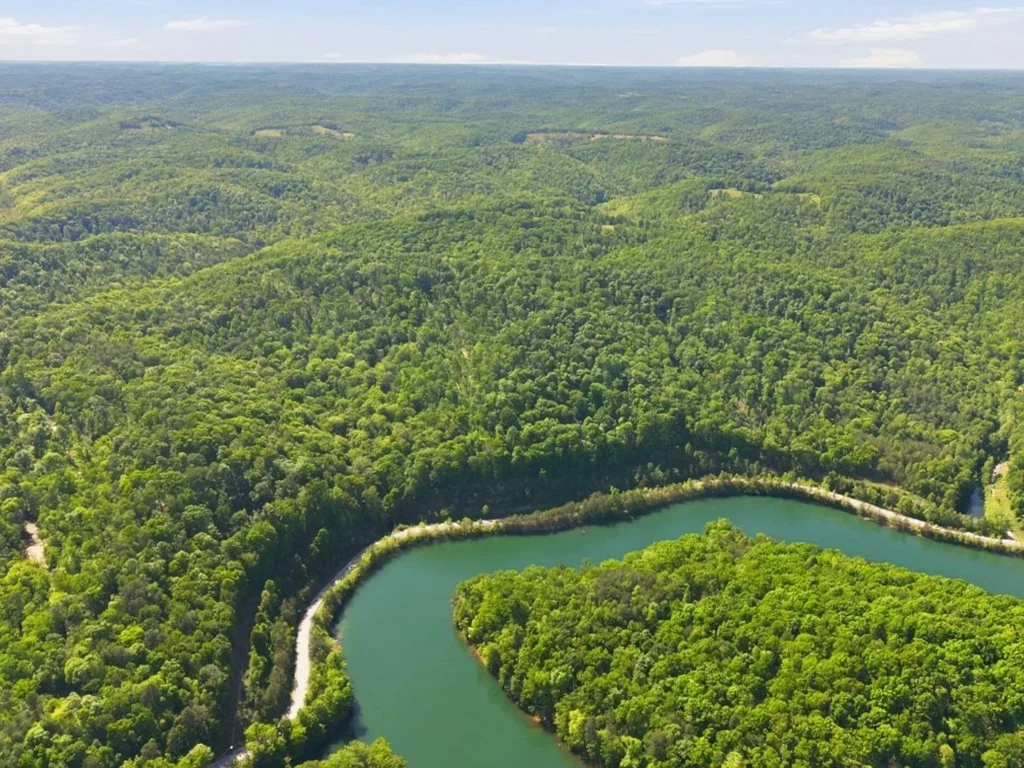
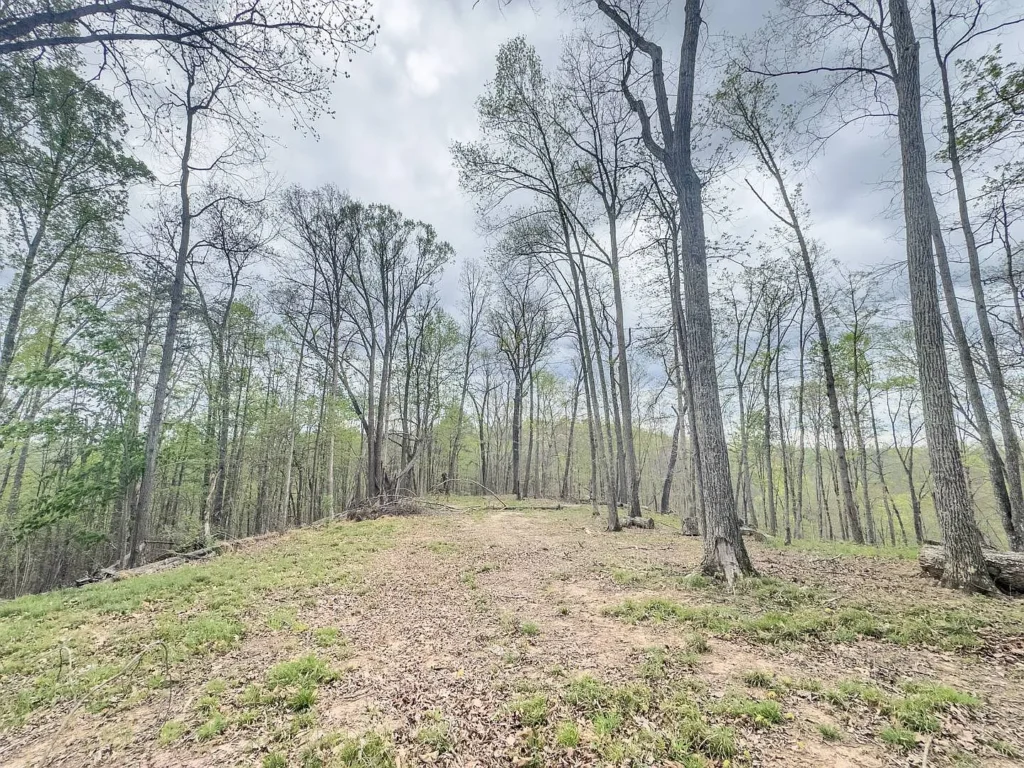
Much of the property is covered by mature timber, giving the land a distinctly secluded character.
The forest provides natural visual separation and creates a peaceful environment for anyone who wants to escape crowded neighborhoods. Instead of looking across a small yard toward another house, the future owner can enjoy a landscape dominated by trees and natural terrain.
Mature woodland can also create valuable habitat for wildlife, adding another dimension to the property’s recreational potential.
For hunters, the wooded environment may provide opportunities to establish hunting areas and food plots, subject to applicable regulations and site conditions. For outdoor enthusiasts, the forest creates an ideal backdrop for hiking, exploring, photography, camping, and simply spending time outside.
The trees also contribute to the atmosphere of a mountain retreat.
There is something uniquely appealing about owning land where the forest is not merely a decorative feature but an integral part of the property.
Established Trails Add Recreational Potential
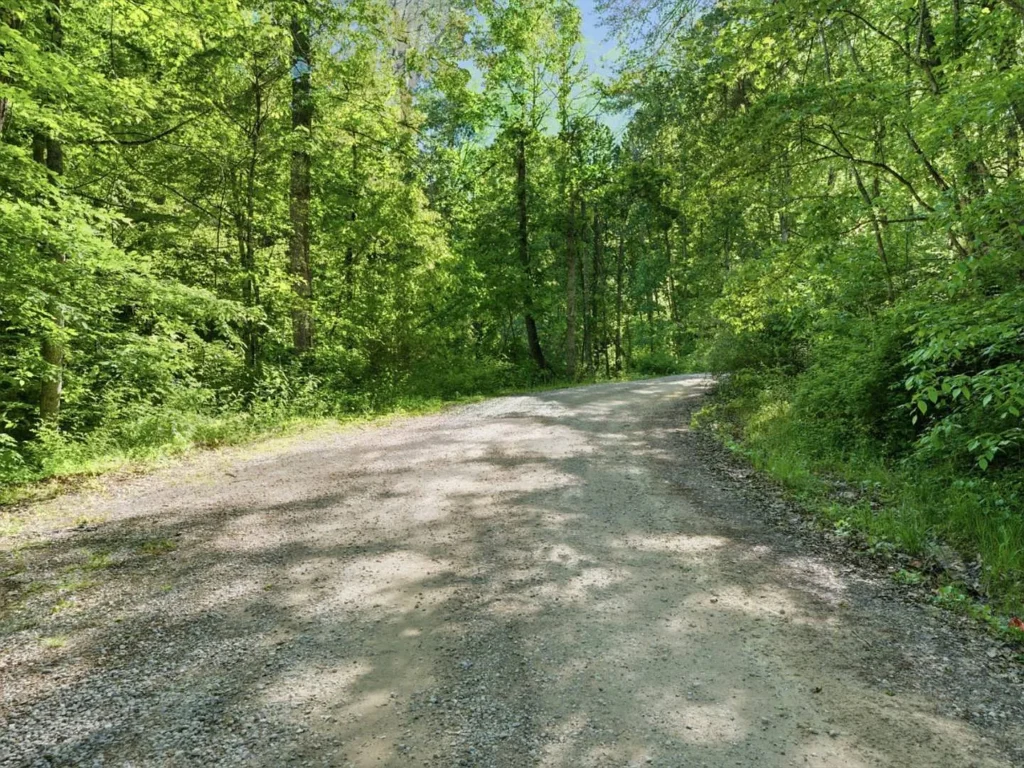
Another notable feature is the presence of established trails and cleared sections.
For a recreational property, trails can make an enormous difference. They provide a way to move through the land and experience different sections without having to create every route from scratch.
The existing trails could be useful for hiking, exploring, or ATV riding, depending on their condition, configuration, and applicable local requirements.
They also make it easier to understand the property’s different elevations and terrain.
A walk or ride through the property can reveal wooded ridges, hollows, open sections, and potential recreation areas that may not be apparent from the road.
For someone considering the land as a long-term recreational retreat, these trails add another layer of usability while preserving the property’s natural character.
Rolling West Virginia Terrain
The terrain is another important part of the property’s appeal.
Rather than being completely flat, the land features rolling topography that includes wooded ridges, hollows, and usable sections.
This type of terrain is characteristic of many Appalachian landscapes and can create a property with different environments within the same tract.
A ridge may provide a quiet location for a campsite or future cabin. A hollow may create a secluded area for exploration or wildlife observation. Cleared sections could potentially be used for recreation or food plots, depending on the property’s conditions and applicable regulations.
The varied topography also gives the land a sense of depth.
Instead of feeling like a single open parcel, the property can be experienced as a collection of different spaces connected by trails and natural features.
For outdoor enthusiasts, that variety can make the land much more engaging.
A Blank Canvas for a Future Cabin
Perhaps the most exciting aspect of the property is what does not exist yet.
There is currently no home or building on the land, meaning a future owner has the opportunity to determine how the property should ultimately be used.
For someone dreaming of a secluded cabin, the land could provide a starting point for a custom retreat.
A modest cabin tucked into the woods could become a weekend getaway, hunting base, or place to unplug from a busy schedule. A larger recreational residence could potentially provide more comfortable accommodations for family and friends.
Alternatively, a buyer could choose to keep the property largely undeveloped and use it primarily for outdoor recreation.
The absence of existing structures means the property does not force a particular lifestyle.
Instead, it offers flexibility.
Of course, any future construction would depend on zoning, permitting, access, site conditions, utility availability, environmental considerations, and other local requirements. Buyers considering a building project should conduct appropriate due diligence before making plans.
Possibilities for an Off-Grid Retreat
The secluded character of the property may also appeal to people interested in an off-grid or low-impact lifestyle.
A forested recreational tract can provide an ideal conceptual setting for a private camp where the focus is on simplicity and time outdoors.
A future owner might envision a small cabin, campsite, outdoor gathering area, or combination of recreational spaces designed around the existing landscape.
The goal does not necessarily have to be a traditional house.
For some buyers, the appeal of rural land comes from creating something that feels entirely different from a conventional suburban property.
An off-grid getaway could potentially incorporate alternative energy, water systems, outdoor cooking areas, camping facilities, and other features, subject to local regulations and site feasibility.
The important point is that the property offers the space to explore those ideas.
Utilities Near the Road Add Convenience
Although the property feels secluded, utilities near the road provide an element of convenience for anyone considering future improvements.
This can be an important consideration when evaluating undeveloped land.
A remote property can offer exceptional privacy, but access to nearby utility infrastructure may make future development more practical than it would be on an entirely isolated parcel.
Potential buyers should still verify exactly which utilities are available, where connections are located, what service capacities exist, and what costs would be associated with extending services to any future building site.
Those details can have a significant impact on construction plans.
Even so, the combination of a secluded interior landscape and nearby utility availability creates an interesting balance between privacy and practicality.
Gated Access Enhances the Sense of Privacy
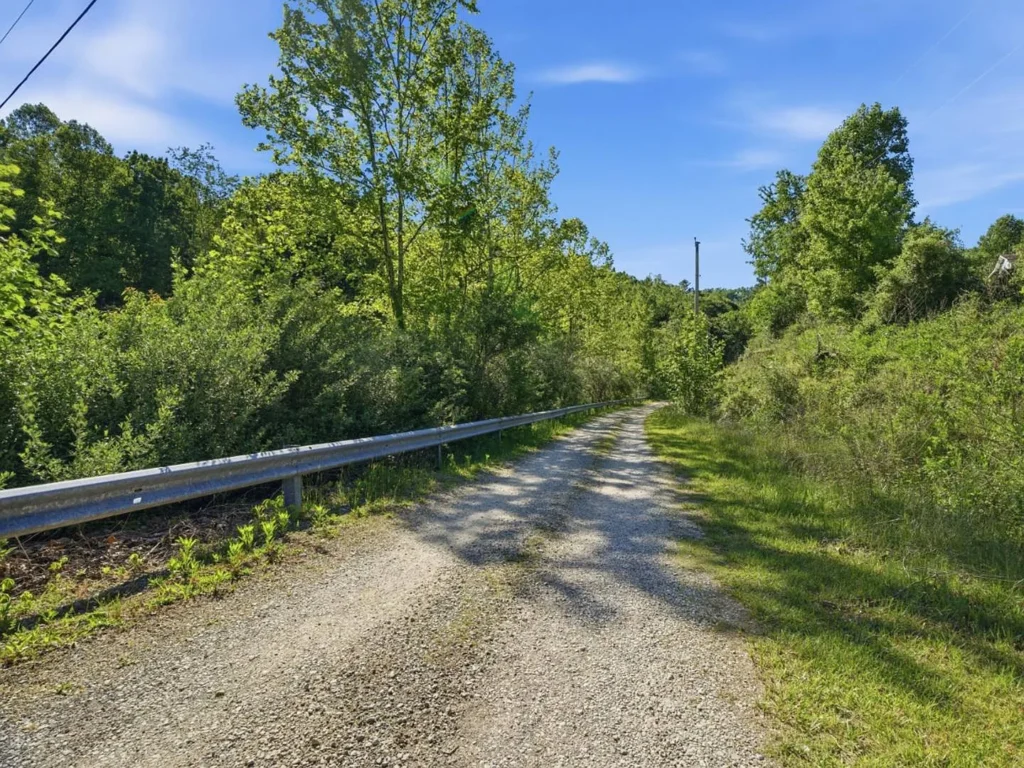
A gated entrance adds another appealing feature to the property.
For recreational land, controlled access can contribute to a stronger sense of ownership and privacy. It creates a clear entry point and can help define the property as a private retreat rather than simply another piece of undeveloped countryside.
For owners who plan to use the land for hunting, camping, trail riding, or weekend recreation, having a gated entrance can make the property feel more intentional and secluded.
It can also enhance the experience of arriving.
Rather than simply pulling into a driveway beside a conventional residence, visitors pass through a controlled entrance and enter a wooded landscape where the pace immediately feels different.
That transition from public road to private countryside is part of what makes properties like this appealing.
Outdoor Recreation Near Mud River Recreational Area
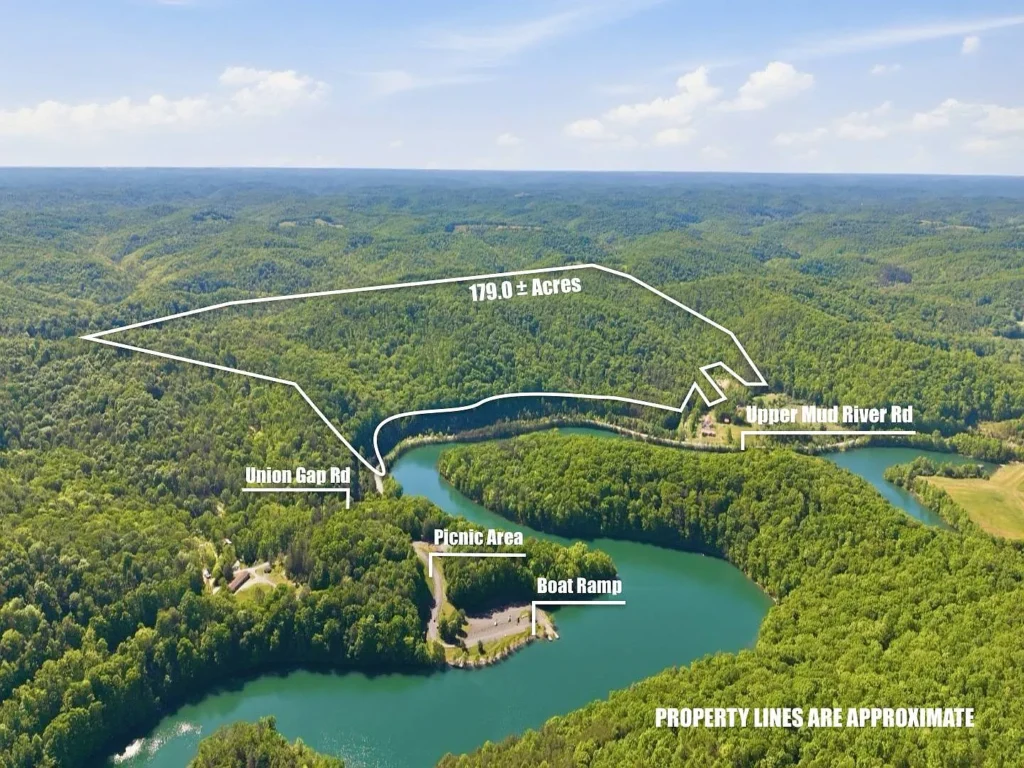
The property’s recreational possibilities are further enhanced by its proximity to the Mud River Recreational Area.
Having access to additional outdoor recreation nearby can make a rural property even more attractive to buyers who enjoy spending time outside.
Activities in the surrounding area include opportunities such as fishing, kayaking, hiking, and access to public land.
That means the property does not have to provide every recreational experience by itself.
A day could begin with coffee at a private campsite, continue with a hike or ATV ride across the property, and then expand into a fishing or kayaking outing nearby.
For families and groups of outdoor enthusiasts, having different activities within the broader area can provide plenty of ways to enjoy weekends and longer stays.
It also reinforces the property’s identity as a recreational retreat rather than simply vacant land.
A Potential Hunting Property
The mature woodland and varied terrain naturally make hunting one of the property’s potential uses.
Forest, ridges, hollows, and open areas can create different wildlife environments, while the existing trails can make portions of the property easier to reach.
Potential food plots could also be considered in suitable cleared areas, depending on soil conditions, sunlight, access, wildlife patterns, and applicable regulations.
For a hunting enthusiast, owning private land can provide a very different experience from relying exclusively on public hunting areas.
However, prospective buyers should independently confirm hunting regulations, seasons, wildlife populations, access rules, and any restrictions affecting the property.
The value of a recreational tract ultimately depends on how well its physical characteristics align with the owner’s intended use.
Camping and Weekend Adventures
Camping may be one of the simplest ways to enjoy the property.
The combination of forest, trails, privacy, and open areas provides a natural backdrop for spending nights outdoors.
A future owner could potentially establish a designated campsite or several recreation zones, subject to local requirements and site conditions.
Imagine arriving on a Friday afternoon, passing through the gate, setting up camp among the trees, and spending the evening around an outdoor gathering area.
There would be no need to coordinate with a crowded campground or share the surrounding landscape with dozens of other campers.
The property could become a private base for weekend adventures.
For people who enjoy hiking, trail riding, stargazing, photography, wildlife watching, or simply sitting around a campfire, that privacy can be one of the greatest attractions.
ATV and Trail-Riding Opportunities
The established trails may also appeal to ATV and recreational vehicle enthusiasts.
Rural wooded properties can offer an entirely different experience for trail riders, with changing terrain and natural obstacles creating a more immersive outdoor environment.
The existing trails provide a starting point for exploration, although buyers should evaluate their condition, width, drainage, slope, and suitability for particular vehicles before relying on them for regular use.
Responsible trail management would also be important over time.
Maintaining drainage, avoiding erosion, protecting sensitive areas, and respecting neighboring properties can help preserve the land’s recreational qualities.
For the right owner, however, the possibility of having private trail-riding space directly on the property could be a major lifestyle advantage.
A Place to Disconnect
Beyond hunting, camping, or trail riding, the property offers something increasingly valuable: the ability to disconnect.
Modern life is often dominated by traffic, screens, schedules, and constant connectivity.
A wooded rural property creates an opportunity to step outside that routine.
The sounds of the forest, changing weather, seasonal foliage, wildlife activity, and long stretches of undeveloped land can provide a much slower rhythm.
The property could become a place to read, photograph wildlife, walk the trails, work on outdoor projects, or simply spend a few hours without an agenda.
For many buyers, that emotional appeal is just as important as any practical feature.
Four Seasons of Possibility
A West Virginia woodland can also change dramatically throughout the year.
Spring brings new growth and changing forest colors. Summer creates a dense green canopy and ideal conditions for camping and outdoor recreation. Autumn transforms the landscape with seasonal foliage, while winter reveals the underlying contours of ridges, hollows, and wooded slopes.
That seasonal variety can make owning recreational land especially rewarding.
The same trail can feel completely different in October than it does in July.
The changing landscape also creates opportunities for different activities throughout the year, from spring hiking to summer camping and autumn hunting.
Who Might Be Drawn to This Property?
This type of land is unlikely to appeal only to one particular kind of buyer.
It could attract an outdoor enthusiast searching for private recreational space, a hunter looking for wooded acreage, an ATV rider interested in trails, or someone dreaming about a secluded cabin.
It could also appeal to buyers who simply want to own a larger piece of countryside and preserve its natural character.
For a person interested in creating a long-term retreat, the property could become a personal base for years of outdoor experiences.
The blank-slate nature of the land is one of its strongest characteristics.
There is no predetermined use.
The future owner gets to decide what the property becomes.
Important Considerations Before Buying
Undeveloped recreational land can offer tremendous flexibility, but buyers should approach a purchase with careful due diligence.
Before committing to a property like this, prospective owners should verify legal access, property boundaries, easements, zoning, building restrictions, utility availability, road conditions, and any applicable county or state requirements.
Anyone considering a cabin or other structure should investigate permits, septic feasibility, water options, electrical service, driveway requirements, and suitable building locations.
The terrain should also be evaluated personally or with qualified professionals.
A wooded property can look very different on a map than it does on the ground.
Buyers interested in hunting, ATV use, camping, or other recreational activities should also confirm any applicable rules and restrictions.
These checks are especially important when the property is being considered as a future development site rather than solely as recreational land.
The Appeal of Owning Your Own Mountain Retreat
Ultimately, the attraction of this Branchland-area property comes down to freedom and possibility.
It is not a conventional residential property with a finished kitchen, bedrooms, and landscaped yard.
Instead, it is a piece of countryside waiting for an owner with a vision.
The mature timber creates privacy. The trails encourage exploration. The rolling terrain adds character. The gated entrance provides a sense of separation. Nearby utility access offers potential convenience, while the surrounding recreational opportunities expand the ways the land can be enjoyed.
And because there is currently no home or collection of buildings, the property remains open to interpretation.
A private hunting camp.
A weekend cabin.
An off-grid retreat.
A family camping destination.
A trail-riding base.
Or simply a quiet piece of West Virginia forest to hold for the future.
Final Thoughts
For buyers who value land more than finished square footage, this wooded property near Branchland offers a compelling vision of rural West Virginia living.
Its mature forest, rolling ridges and hollows, established trails, cleared sections, gated entrance, and proximity to outdoor recreation create an environment built around privacy and adventure.
The absence of existing buildings may actually be one of its greatest advantages. Rather than inheriting someone else’s idea of what the property should be, the next owner can shape its future around personal interests and long-term goals.
Whether the dream involves a secluded cabin, a private hunting retreat, weekend camping, ATV exploration, or simply having a peaceful place to escape, this countryside tract provides the space to make those possibilities worth exploring.
For anyone searching for a private outdoor retreat in West Virginia, this property represents more than undeveloped land. It offers a blank canvas surrounded by trees, trails, wildlife habitat, and the quiet character of the Appalachian countryside.
Sometimes, the most valuable feature of a property is not what has already been built—but what you can still imagine creating there.



From Zillow