Impressive Architectural Home in Pittsford

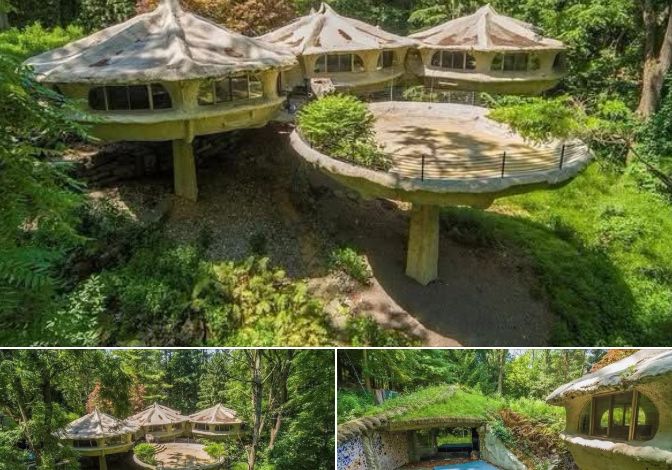
The Mushroom House in Pittsford, New York: An Extraordinary Architectural Home Where Art Meets Nature
Some homes are designed primarily around practicality, while others become memorable because of the way they challenge traditional ideas about architecture. The Mushroom House in Pittsford, New York, belongs to the second category.
Known for its unusual pod-like design and distinctive relationship with the surrounding landscape, this remarkable residence offers a completely different perspective on what a home can be. Its rounded architectural forms, dramatic interior spaces, custom details, and natural setting create a property that feels more like an immersive architectural experience than a conventional house.
The design draws inspiration from the delicate structure of Queen Anne’s Lace, translating an organic form found in nature into a bold residential concept. Instead of relying on traditional rectangular rooms and predictable exterior lines, the home uses a collection of rounded forms that give the property its instantly recognizable appearance.
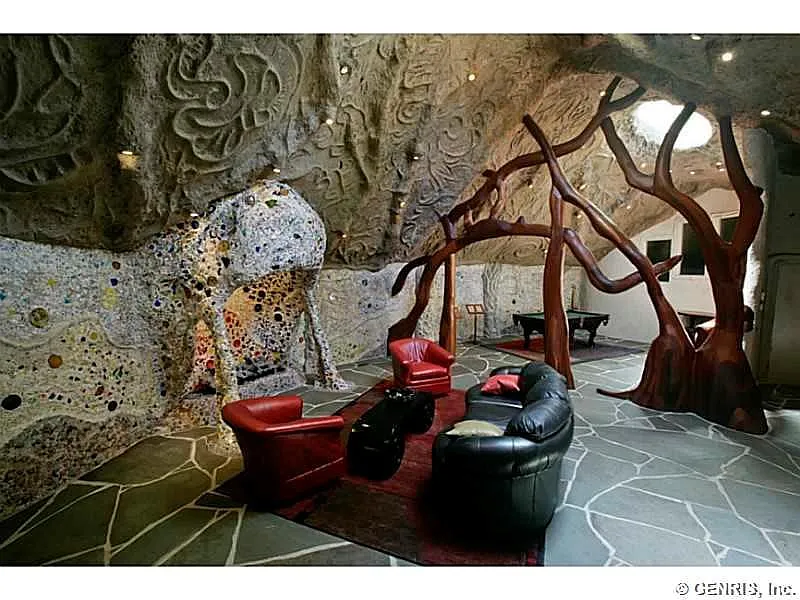
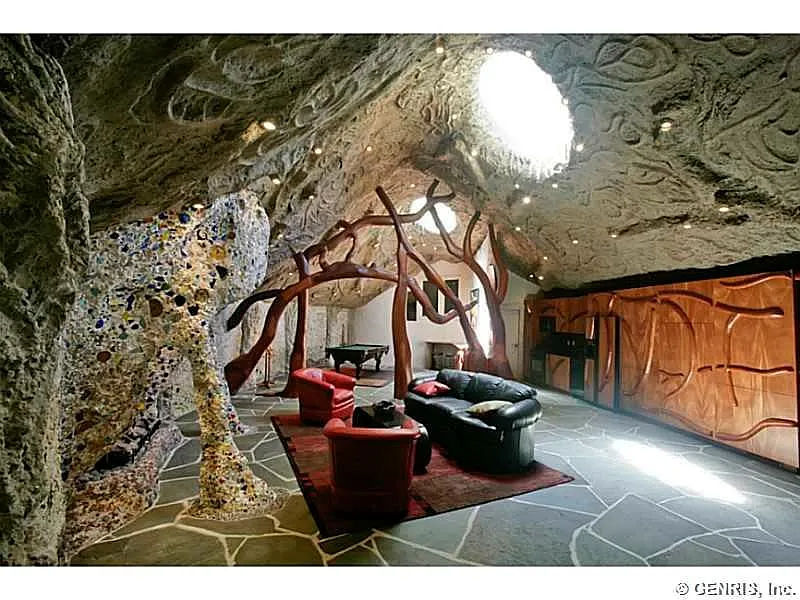
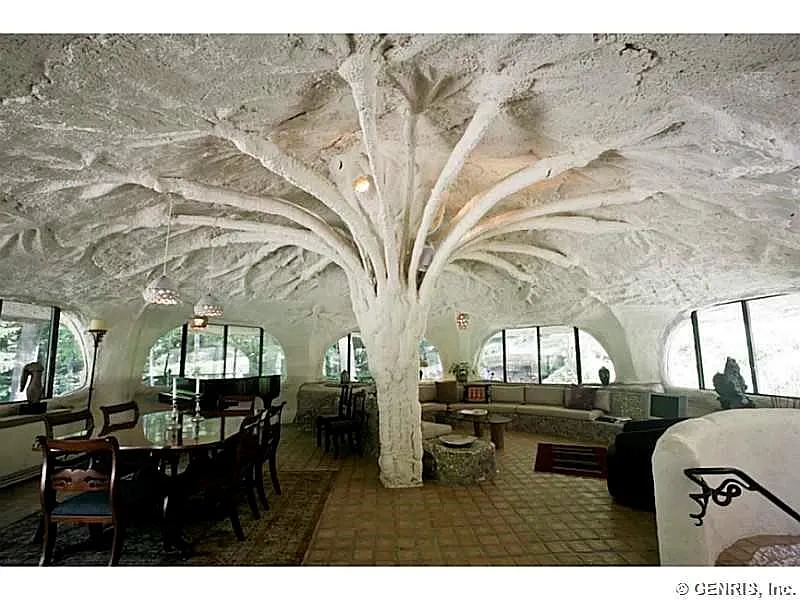
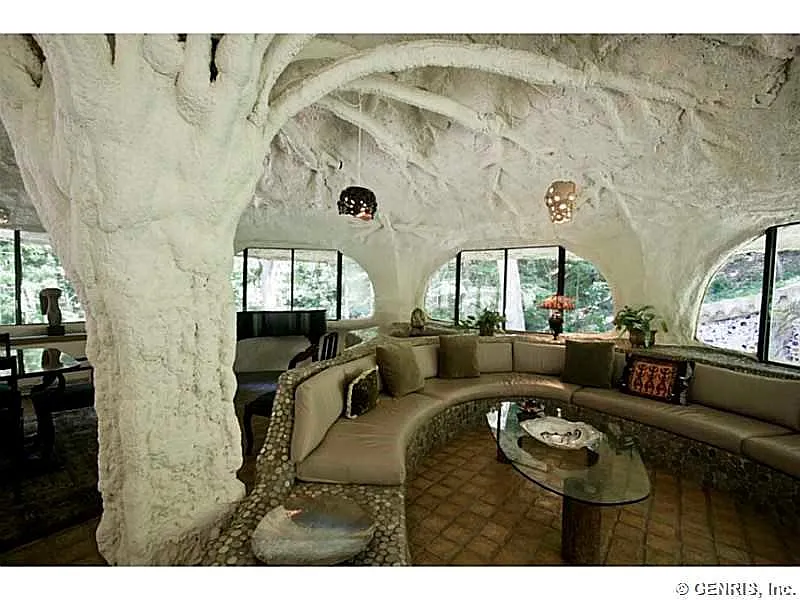
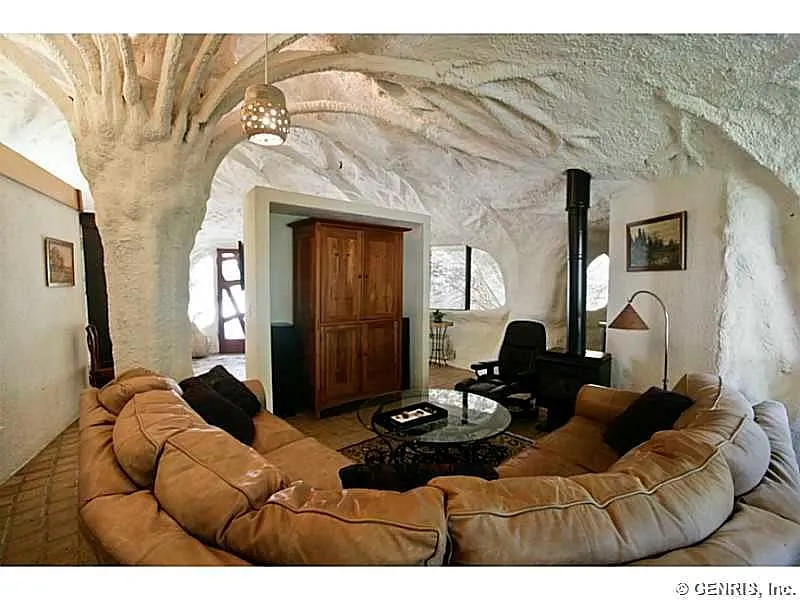
Inside, the architecture continues to make an impression. A dramatic great room features soaring ceilings, a fireplace, and custom woodworking, while updated bathrooms and carefully maintained interiors provide modern comfort within the home’s highly individual character.
The surrounding landscape adds another layer to the experience. The property is situated beside parkland and near a stream and scenic waterfall, creating a setting where architecture and nature exist closely together.
For anyone interested in unusual residential architecture, the Mushroom House represents an opportunity to explore a home where creativity, craftsmanship, landscape, and everyday living have been brought together in an unconventional way.
An Architectural Home Unlike Traditional Residences
The first thing that distinguishes the Mushroom House is its architecture.
Most residential buildings are based on familiar geometric forms. Straight walls, rectangular windows, pitched roofs, and clearly separated floors have defined residential construction for generations.
This home takes a different approach.
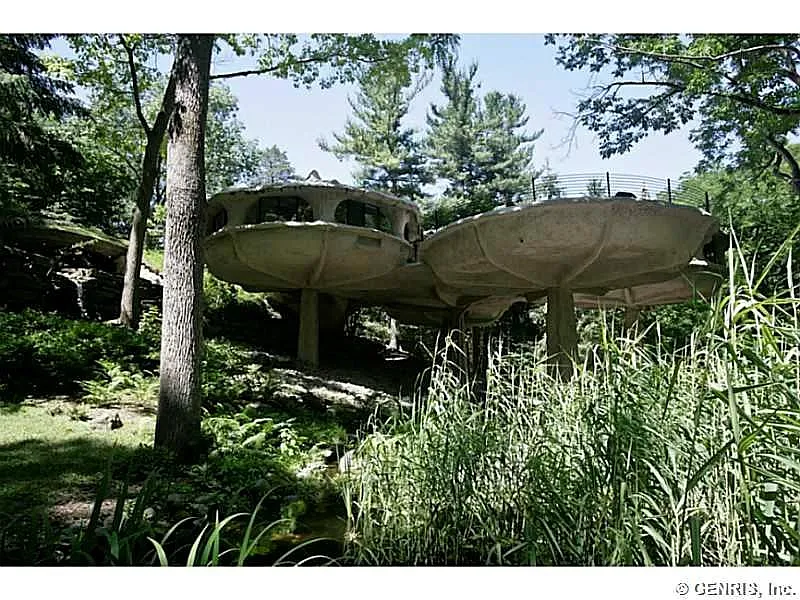
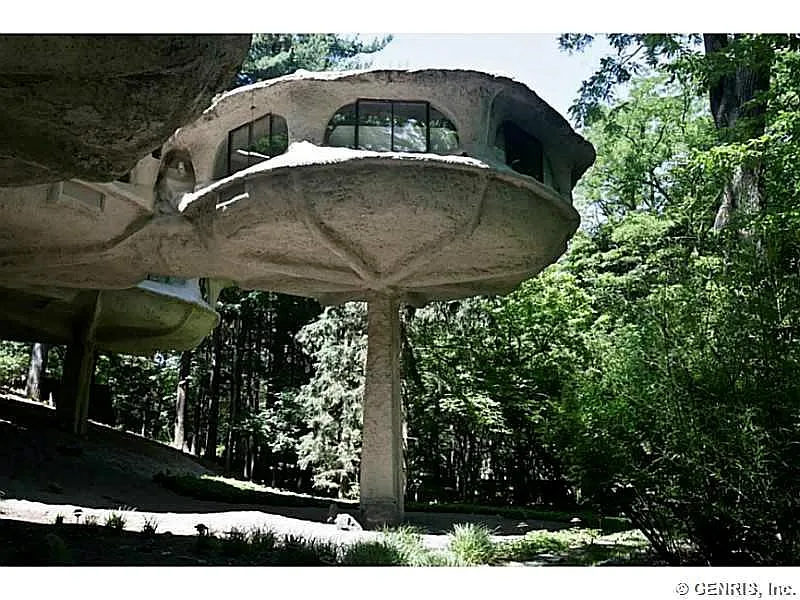
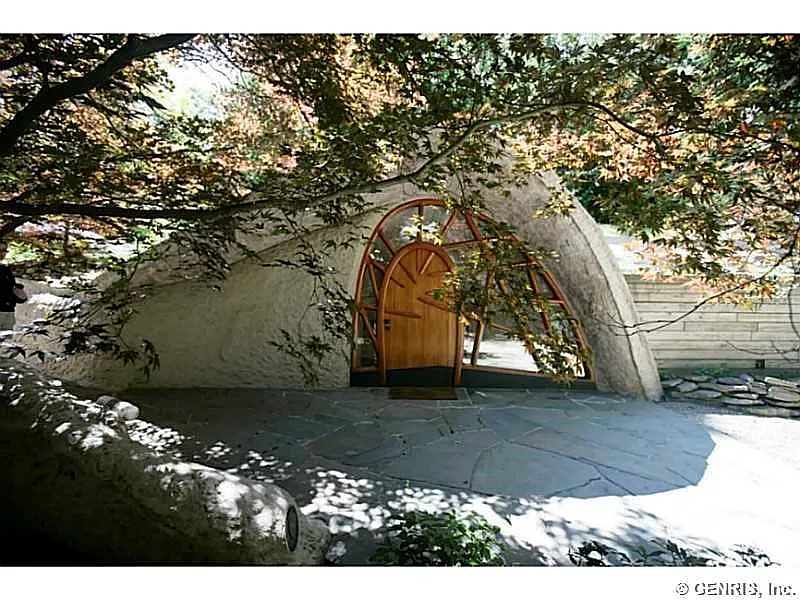
Its collection of rounded pods creates a visual language that immediately separates it from the surrounding built environment. The organic shapes give the residence a sculptural quality, making it appear as though the architecture is interacting directly with the landscape.
The design is not simply an unusual exterior treatment. The rounded forms influence the interior experience as well, creating rooms and transitions that feel different from those found in a conventional house.
For visitors and residents alike, moving through the property becomes an opportunity to experience architecture from different perspectives.
Every change in shape, ceiling height, window placement, and connection between rooms contributes to the overall identity of the home.
Inspired by Queen Anne’s Lace
The inspiration behind the home’s unusual form is particularly interesting.
The architecture draws from the delicate shape of Queen Anne’s Lace, a plant known for its fine, branching appearance.
Translating inspiration from a natural form into a full-scale residence requires an approach very different from conventional home design.
Instead of simply adding decorative references to nature, the concept becomes part of the building’s overall form.
The result is a home where organic shapes influence the way the exterior is perceived and how interior spaces connect with one another.
This relationship with nature also helps explain why the surrounding landscape feels so important to the property’s identity.
The house does not appear to have been designed independently of its environment. Its distinctive forms and natural setting complement one another, creating a stronger connection between the building and the land around it.
The Iconic Pod Design
The Mushroom House is particularly recognizable because of its collection of pod-like structures.
These forms create a series of interconnected spaces rather than a conventional box-shaped residence.
From the outside, the pods produce a sculptural appearance. From the inside, they create unusual transitions, curved surfaces, and varied perspectives.
The design demonstrates how architecture can influence the emotional experience of a home.
A conventional room may feel familiar immediately. In a residence with rounded pods and unconventional geometry, the spaces encourage closer observation.
Corners, ceilings, windows, and connections between rooms can become architectural features in their own right.
This makes the home particularly interesting for people who appreciate design and want their living environment to have a strong visual identity.
A Dramatic Great Room
Inside the property, the great room serves as one of the most impressive spaces.
The soaring ceilings create a sense of volume and openness, allowing the architecture to be appreciated on a larger scale.
A fireplace adds warmth and provides a natural focal point within the room.
Large living spaces like this can serve many purposes. They can accommodate relaxed everyday living, gatherings with friends, entertaining, reading, or simply enjoying the architectural surroundings.
The great room also provides an opportunity to appreciate the relationship between structure and interior design.
Rather than treating the ceiling, fireplace, and woodworking as separate elements, the space brings them together into a cohesive environment.
Custom Woodworking Adds Character
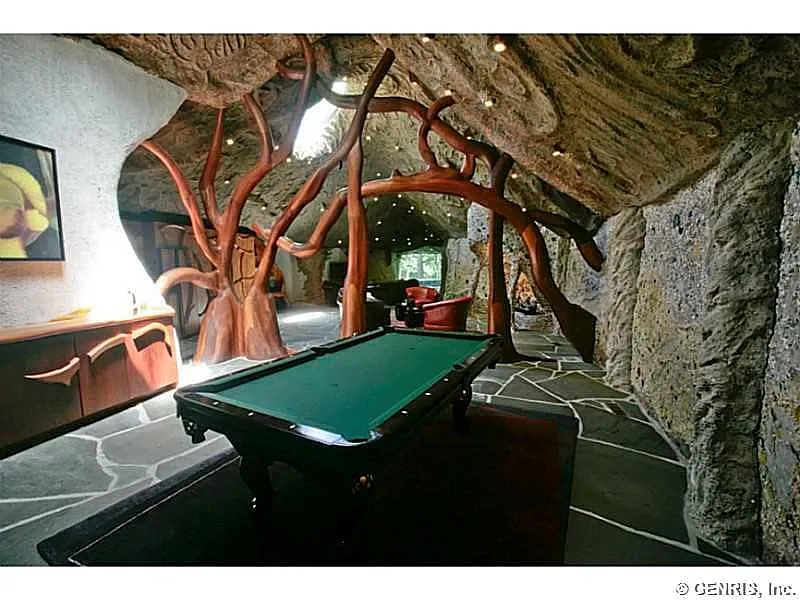
Another important aspect of the interior is the custom woodworking.
In a home with such distinctive architecture, craftsmanship becomes especially important.
Wood can add warmth to unusual shapes and prevent large architectural spaces from feeling overly cold or abstract.
Custom woodworking can also provide a visual connection between different areas of the house.
The carefully crafted details contribute to the feeling that the home was designed as a complete architectural concept rather than assembled from standard residential components.
For people who appreciate craftsmanship, these details may be just as significant as the more obvious exterior forms.
Modern Comfort Within an Unusual Design
A highly distinctive architectural home still needs to function as a comfortable residence.
The Mushroom House combines its unusual design with updated bathrooms and carefully maintained interiors.
This balance is important.
While the architecture provides the property’s individuality, modern updates help make the home practical for contemporary living.
Bathrooms are among the areas where modern functionality can make a noticeable difference.
Updated fixtures, finishes, and layouts can provide everyday convenience while allowing the surrounding architectural character to remain intact.
The goal is not necessarily to make the house look like every other modern residence. Instead, improvements can support contemporary comfort without eliminating the qualities that make the property unique.
Large Living Areas for Everyday Life
The home’s spacious living areas provide flexibility for different lifestyles.
A distinctive architectural property does not have to function like a museum. It can still be a place for ordinary routines, family gatherings, quiet evenings, and entertaining.
Furniture can be selected to complement the home’s unusual geometry rather than compete with it.
Curved architectural forms may encourage different furniture arrangements, while large open areas can accommodate multiple seating zones.
This flexibility allows the residence to remain practical while preserving its artistic character.
Architecture and Natural Light
Natural light plays an important role in how unusual architecture is experienced.
Windows placed within distinctive forms can create changing patterns of light throughout the day.
Morning light may emphasize one portion of a room, while afternoon light can highlight another architectural detail.
In a home with rounded structures and varied ceiling heights, natural light can help reveal the depth and texture of the interior.
It also strengthens the connection between the house and the landscape.
Instead of treating the exterior environment as something separate, windows and views allow nature to become part of the interior experience.
A Home Surrounded by Nature
The natural environment surrounding the Mushroom House is another defining characteristic.
The property is situated beside parkland and near a stream and scenic waterfall, creating a peaceful backdrop for the residence.
This setting adds another dimension to the architecture.
The unusual forms of the house contrast with the organic landscape while also complementing it.
Trees, water, open areas, and changing seasons provide a constantly evolving environment around the structure.
The relationship can be particularly enjoyable for people who appreciate both architecture and nature.
The house provides the built environment, while the surrounding landscape supplies a natural counterpart.
The Sound and Presence of Water
A nearby stream and waterfall contribute to the atmosphere of the property.
Water can have a calming visual and auditory effect, particularly in a residential setting where the surroundings are relatively peaceful.
The presence of moving water can also reinforce the property’s connection with the natural landscape.
Rather than viewing the house as an isolated structure, the surrounding environment becomes part of the experience.
The sound of a stream, the changing appearance of the water throughout the seasons, and the vegetation around it can all influence how the property feels.
A Different Kind of Outdoor Living
Outdoor living around a conventional home often revolves around patios, decks, and traditional lawns.
At the Mushroom House, the surrounding landscape offers a different experience.
The relationship between the unusual architecture and nearby natural areas creates opportunities to enjoy the outdoors in a more informal way.
Walking around the property, observing the landscape, or spending time near the water can become part of everyday life.
For someone who enjoys photography, nature observation, gardening, or simply relaxing outside, the environment provides a variety of possibilities.
Preserving Architectural Identity
One of the most important considerations with an architectural home is maintaining its identity while making necessary updates.
Modernization does not always require replacing distinctive features.
In fact, thoughtful improvements can preserve the original character while making the property more comfortable and functional.
The updated bathrooms are an example of how contemporary improvements can coexist with unusual architecture.
The same philosophy can be applied to lighting, furnishings, appliances, flooring, and other interior details.
Instead of attempting to make the Mushroom House look like a conventional modern residence, improvements can be selected to support its existing architectural language.
Why Architectural Homes Remain Memorable
A home becomes memorable when it offers something beyond basic functionality.
The Mushroom House does this through its form, materials, interior spaces, and setting.
It challenges the idea that a home has to look like the houses around it.
Its architecture demonstrates that residential buildings can also be artistic expressions.
This does not mean the home sacrifices practical living.
The presence of large living areas, updated bathrooms, a fireplace, and maintained interiors shows that unusual design can still support everyday residential needs.
The difference is that the architecture becomes part of the lifestyle rather than simply serving as a backdrop.
A Conversation Between Art and Architecture
The Mushroom House can also be viewed as an example of how art and architecture overlap.
Architecture is inherently functional, but it can also communicate ideas.
The organic pod forms communicate movement and connection with nature. The unusual proportions encourage people to look at familiar residential spaces differently.
The custom woodworking adds craftsmanship, while the great room provides a dramatic interior setting.
Together, these elements create a home that has a strong artistic identity.
For architecture enthusiasts, this makes the property especially interesting because the building itself becomes an important part of the living experience.
Seasonal Changes Around the Property
A natural setting also means that the experience of the property changes throughout the year.
Spring can bring new vegetation and fresh color to the landscape.
Summer may emphasize greenery and outdoor living.
Autumn can transform the surrounding trees and create a completely different visual backdrop.
Winter can reveal architectural forms more clearly when surrounding vegetation becomes less dense.
These seasonal changes can be particularly noticeable in a home with strong connections to its natural environment.
The same rooms and exterior forms can look different depending on the season, weather, and available daylight.
A Home for People Who Appreciate Individuality
The Mushroom House is unlikely to appeal only because of its size or conventional list of amenities.
Its greatest characteristic is individuality.
This is a residence for someone who appreciates distinctive architecture and wants their home to have a clear identity.
People interested in design, art, craftsmanship, historic architecture, or unusual residential concepts may find particular appeal in the property.
It also offers something difficult to reproduce through a standard renovation: an architectural concept that was built into the structure itself.
Paint, furniture, and décor can transform many houses, but they cannot easily create the same fundamental relationship between rounded forms, landscape, and interior space.
Entertaining in an Architectural Landmark
The great room and larger living areas provide an interesting environment for entertaining.
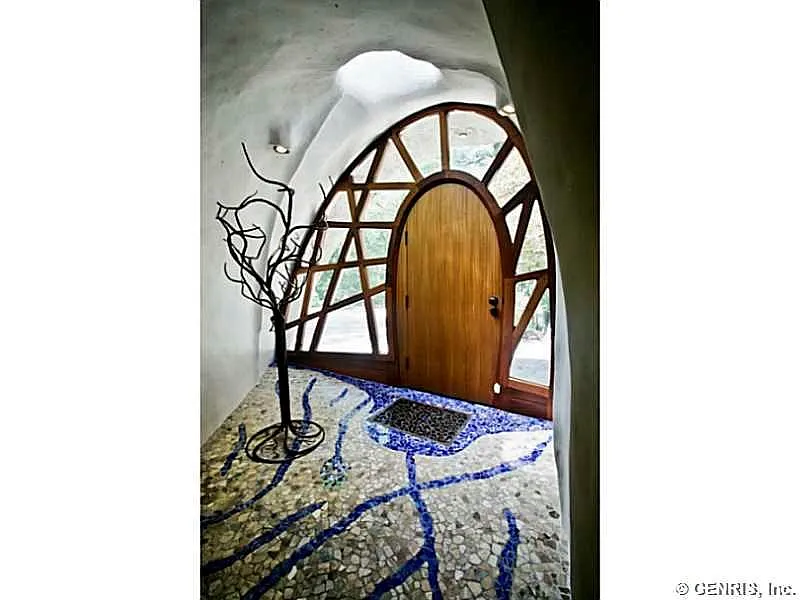
Guests entering the home are immediately exposed to an architectural experience that differs from an ordinary residence.
The soaring ceilings can create an impressive sense of scale, while the fireplace provides warmth and focus.
Custom woodworking adds additional visual interest.
At the same time, the surrounding landscape can provide a natural extension of the entertaining experience.
Gatherings can move between interior and exterior spaces depending on the season and weather.
The unusual architecture gives conversations an additional point of interest, while the peaceful setting provides a comfortable atmosphere.
A Residence That Encourages Exploration
One of the pleasures of living in an unconventional home is discovering how different spaces work together.
Curved rooms and pod-like structures can create visual surprises that are not immediately apparent from the outside.
A hallway may reveal a new perspective. A window may frame part of the surrounding landscape. A change in ceiling height may make one room feel dramatically different from another.
This sense of discovery is one of the qualities that can make architectural homes particularly engaging.
Instead of becoming visually predictable, the house can continue to reveal details over time.
Maintaining a Unique Property
Owning a distinctive architectural home also requires thoughtful maintenance.
Unusual shapes and custom elements may require specialized attention compared with standard construction.
Future owners should understand the condition of major systems, exterior materials, windows, roofing, plumbing, electrical components, and other structural elements.
Any historic or architecturally significant features should also be considered carefully before major alterations are made.
The goal is to maintain the functionality of the residence without unnecessarily compromising the characteristics that make it special.
Professional advice can be useful when planning substantial renovations or changes.
The Importance of Context
The Mushroom House is interesting not only because of its unusual appearance but also because of its context.
The architecture, interior design, natural surroundings, parkland, stream, and waterfall all contribute to the overall experience.
Removing any one of those elements would change how the property is perceived.
That is why the surrounding environment should be considered part of the home’s identity.
The landscape provides contrast to the rounded architecture, while the house gives the natural setting an unexpected visual focal point.
Together, they create a property that feels cohesive despite the unusual nature of its design.
A Rare Architectural Living Experience
Many homes can be renovated to include modern kitchens, updated bathrooms, larger living areas, or improved outdoor spaces.
Far fewer residences begin with such a distinctive architectural concept.
The Mushroom House offers an experience based on design rather than conventional real estate formulas.
Its value as a residence is closely connected to its individuality.
For someone searching for a home that feels genuinely different, the property provides an opportunity to live within a structure that has its own recognizable architectural language.
Final Thoughts
The Mushroom House in Pittsford, New York, represents a fascinating meeting point between architecture, nature, craftsmanship, and residential living.
Its distinctive pod-like forms, inspired by the delicate structure of Queen Anne’s Lace, give the property an unmistakable identity. Inside, soaring ceilings, a dramatic great room, a fireplace, and custom woodworking create an interior that continues the architectural story.
Updated bathrooms and maintained living areas provide modern comfort while allowing the home’s unusual character to remain central to the experience.
Outside, the natural setting adds another layer to the property. Parkland, a nearby stream, a scenic waterfall, and surrounding greenery create a peaceful environment that complements the home’s sculptural design.
What makes the residence particularly memorable is the way all of these elements work together. The architecture does not simply occupy the landscape; it interacts with it.
For buyers and architecture enthusiasts who appreciate originality, the Mushroom House offers an opportunity to experience residential design from a completely different perspective. It demonstrates that a home can be functional while also being imaginative, expressive, and deeply connected to its surroundings.
Rather than following conventional ideas about what a house should look like, this Pittsford residence embraces an architectural concept built around organic forms, creativity, and a strong relationship with nature.
The result is a distinctive home that continues to demonstrate how architecture can transform an ordinary residential setting into something much more memorable.
Watch Zillow