West Virginia Hunting Property Offers 73.55 Wooded Acres, Oak Timber, and a Rustic Cabin

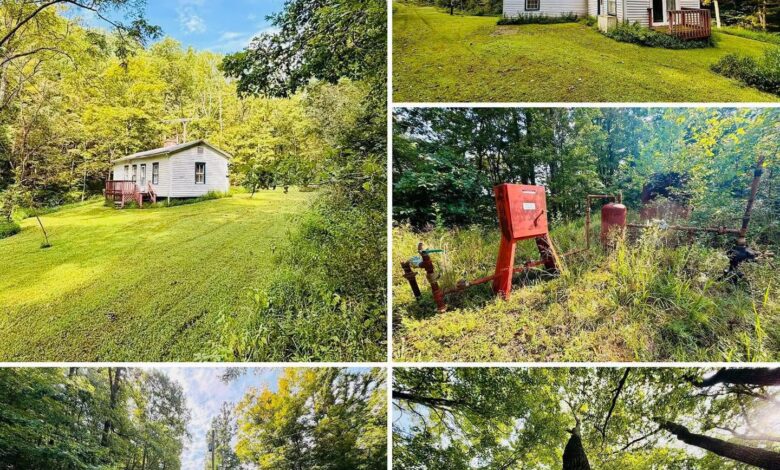
73.55 Acres in West Virginia Listed for $184,500 With a Rustic Cabin, Oak Timber, and ATV Trails
A 73.55-acre mountain property in Coxs Mills, West Virginia, is listed for $184,500, combining wooded Appalachian terrain, a rustic cabin, established ATV trails, and several existing utility systems. Located on Elderberry Road in Gilmer County, the property is described as a recreational and timberland holding with grid electricity, a private well, a septic system, and an on-site natural gas connection.
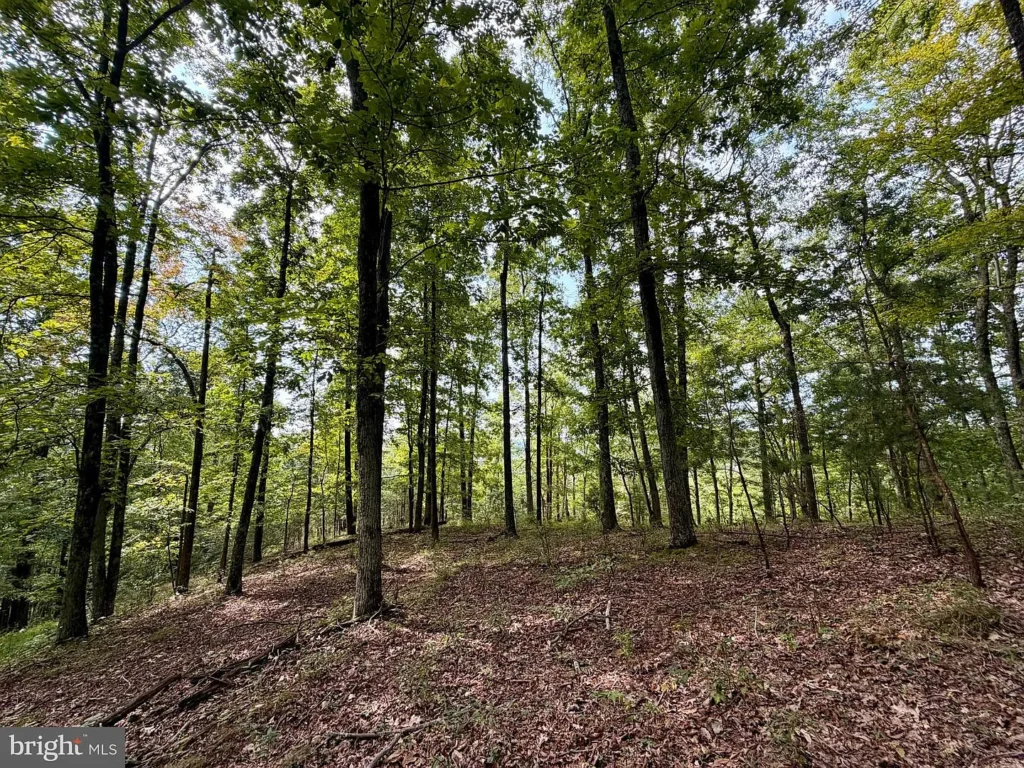
The asking price works out to approximately $2,508.50 per acre based on the reported acreage. The land also features mature hardwoods, including White Oak and Red Oak, along with cleared utility corridors that may provide open sightlines and potential locations for wildlife-management activities.
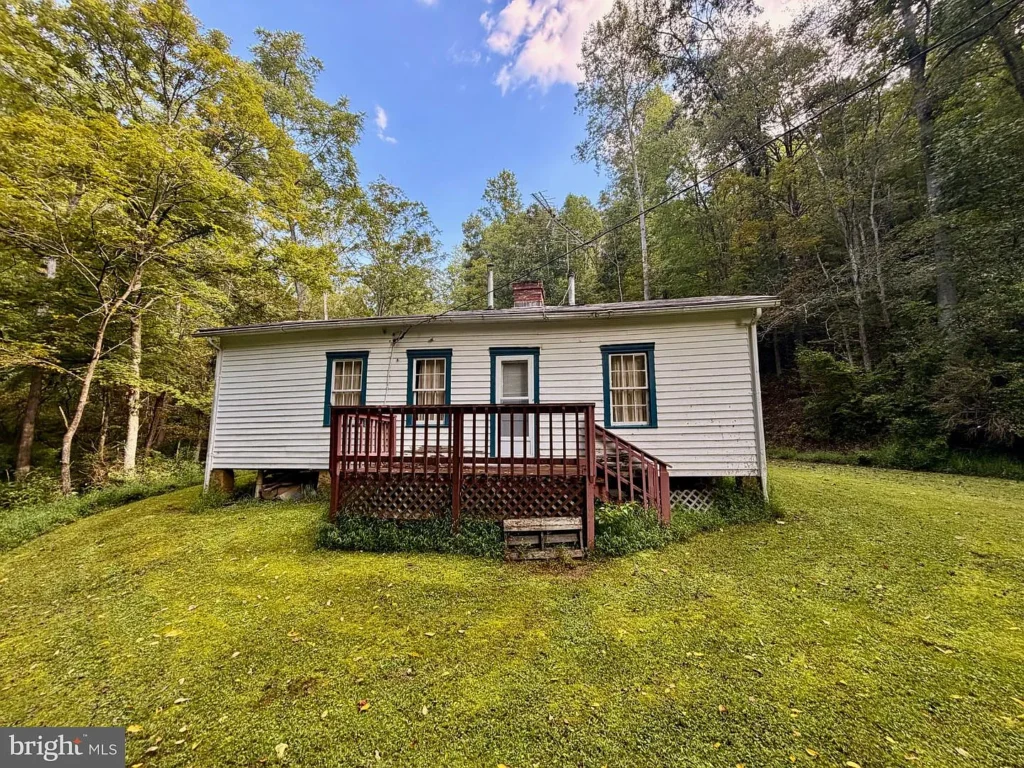
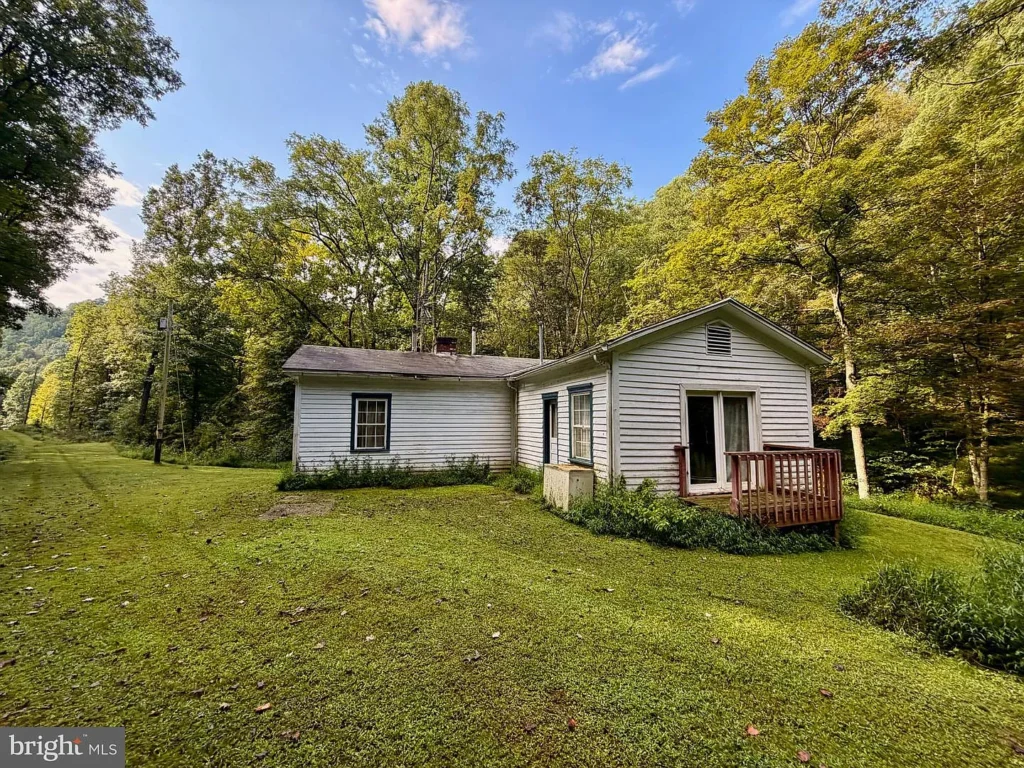
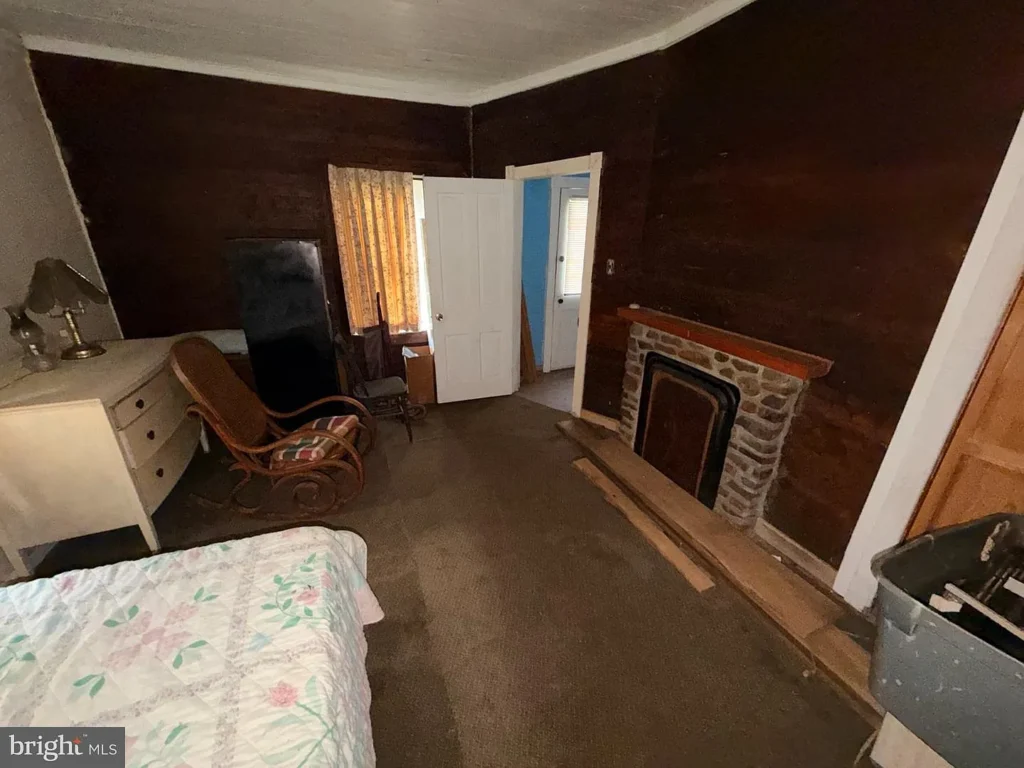
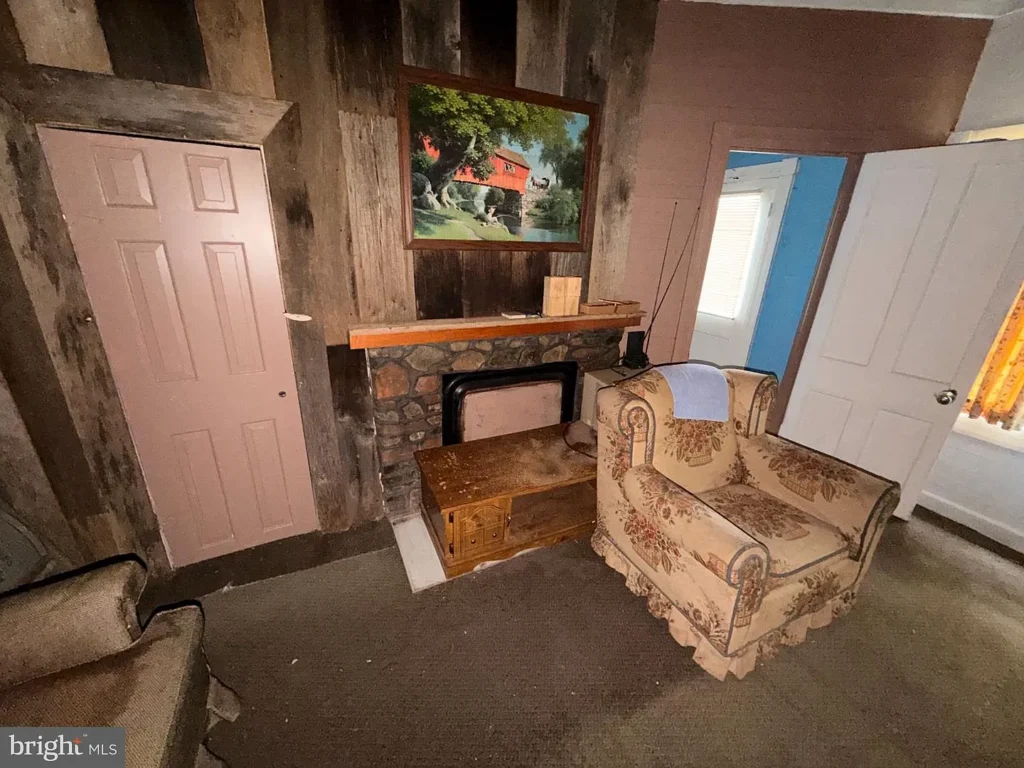
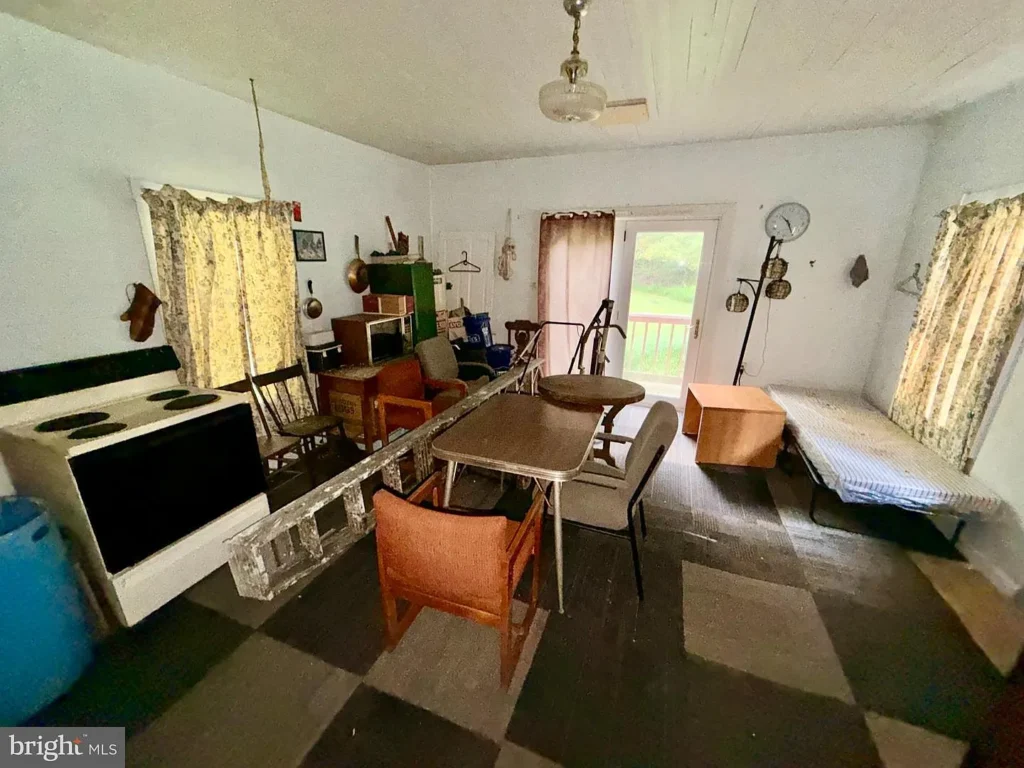
The existing single-story cabin is being sold strictly as-is. Although the supplied listing information describes connected utilities and a functional basic layout, the structure reportedly needs repairs and modernization before buyers should rely on it for comfortable year-round occupancy.
Listed on September 10, 2026, the property may interest hunters, outdoor recreation enthusiasts, timberland buyers, and people looking for a rural retreat. However, the value of its timber, the terms of the reported natural gas arrangement, and the condition of its infrastructure should all be independently verified before a purchase decision.
Property Overview: Elderberry Road, Coxs Mills
The property is located on Elderberry Road near Coxs Mills, West Virginia 26342, in Gilmer County. The supplied listing details identify it as a 73.55-acre tract with an existing cabin and a mix of wooded hillsides, cleared corridors, and internal trails.
Key reported features include:
- Asking price of $184,500.
- Approximately 73.55 acres of land.
- Calculated asking price of $2,508.50 per acre.
- Single-story wood-frame cabin sold as-is.
- Mature White Oak and Red Oak timber, with other hardwood species also reported.
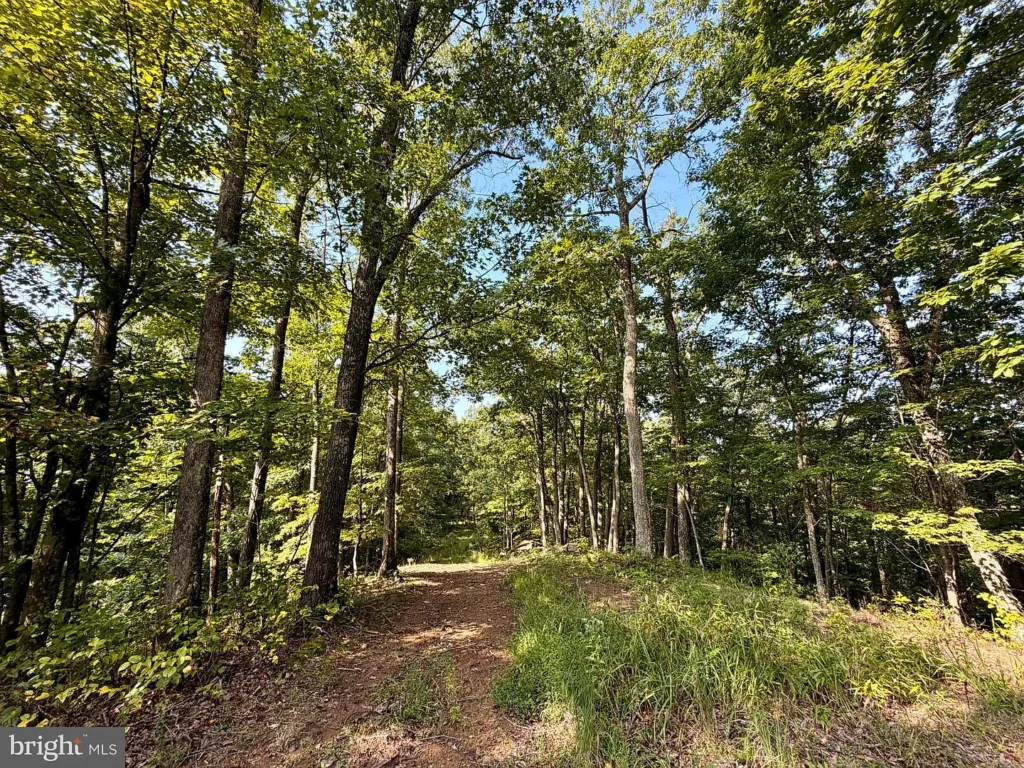
- Established UTV and ATV trails.
- Gated entrance.
- Grid electricity connected to the cabin.
- Private drilled well.
- Private septic system.
- On-site natural gas wellhead and domestic gas connection, subject to verification of the applicable agreement.
- Cleared utility or pipeline corridors.
- Annual property taxes reported at $790.
- No HOA dues reported.
The combination of acreage, access trails, an existing dwelling, and reported utilities gives buyers several features to investigate. However, the listing information does not independently establish the property’s market value, the quantity or quality of its timber, or the precise terms under which natural gas may be used.
Asking Price and Cost Per Acre
At $184,500 for 73.55 acres, the asking price calculates to approximately $2,508.50 per acre. This figure offers a straightforward starting point for comparing the property with other rural land listings.
| Property metric | Reported or calculated figure |
|---|---|
| Asking price | $184,500 |
| Reported acreage | 73.55 acres |
| Calculated price per acre | $2,508.50 |
| Annual property taxes | $790 |
| Monthly tax equivalent | $65.83 |
| HOA dues | None reported |
| Cabin condition | Sold as-is |
The per-acre figure is not an appraisal. A property’s value depends on more than its total area, including road access, terrain, cabin condition, usable acreage, utility rights, timber quality, and any restrictions affecting the land.
The existing improvements may be useful, but their condition and legal status matter. Buyers should evaluate the cabin and infrastructure separately rather than assuming that all installed systems are fully operational or that their replacement costs can be directly added to the land’s value.
A Rustic Cabin That Needs Further Evaluation
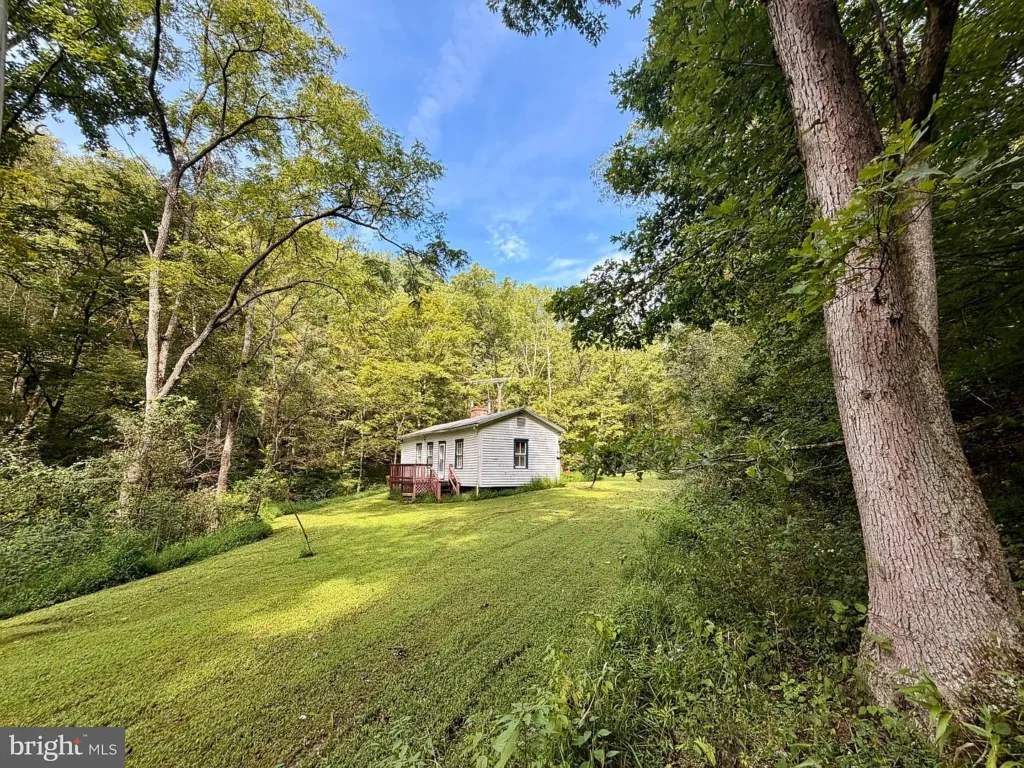
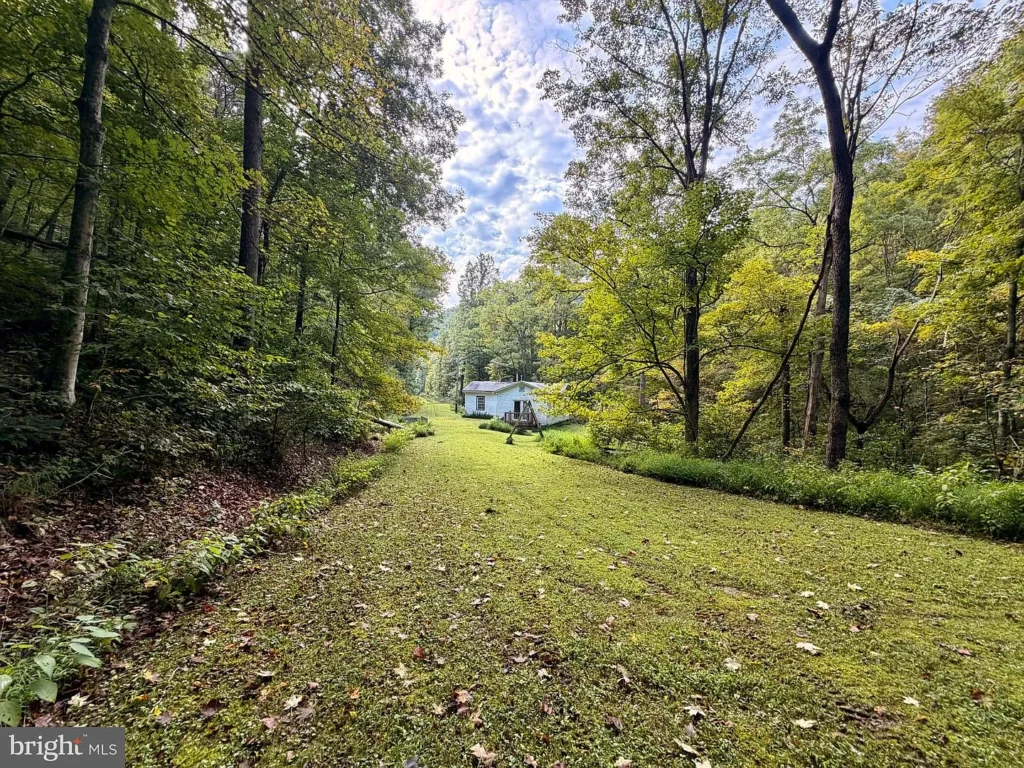
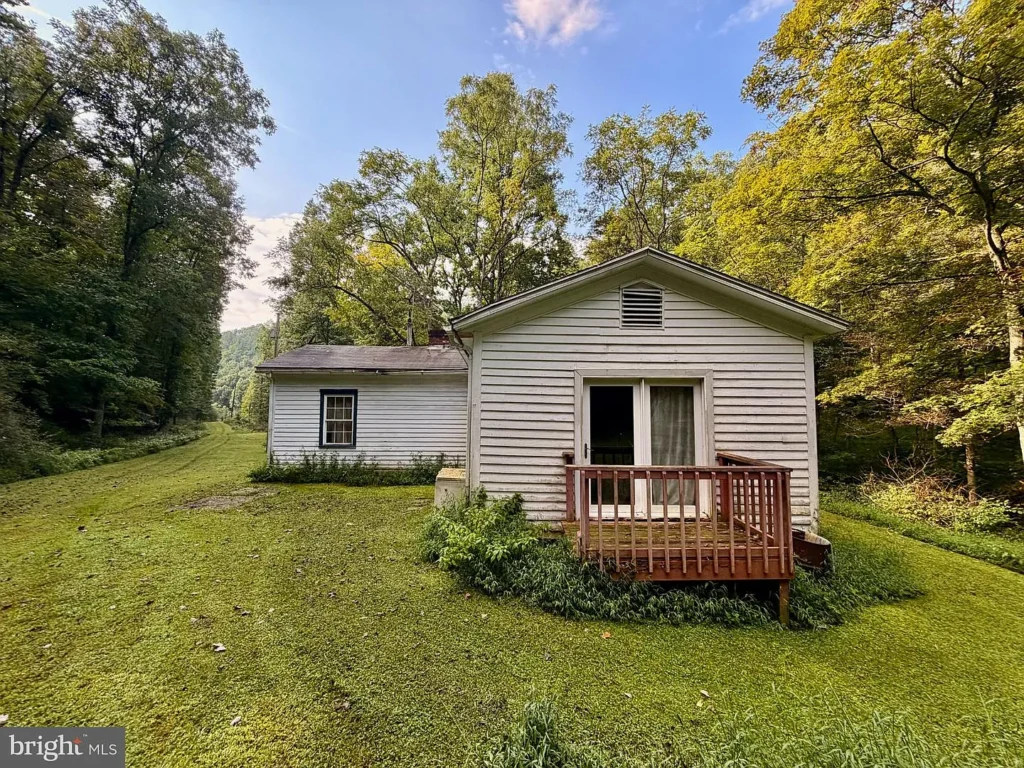
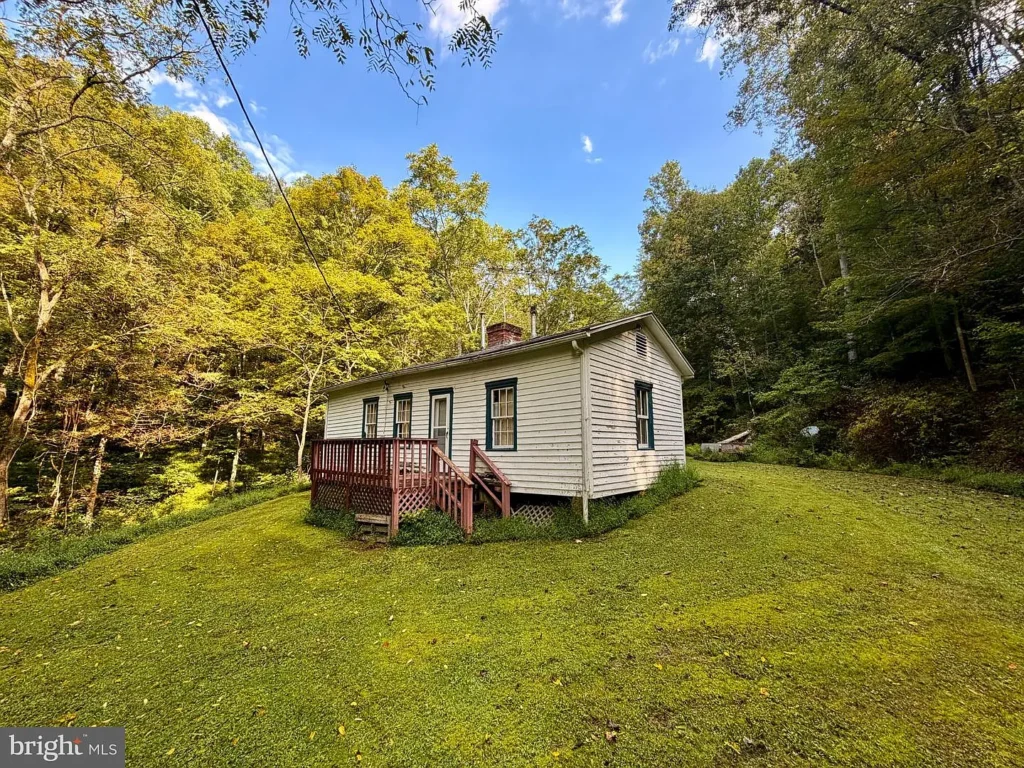
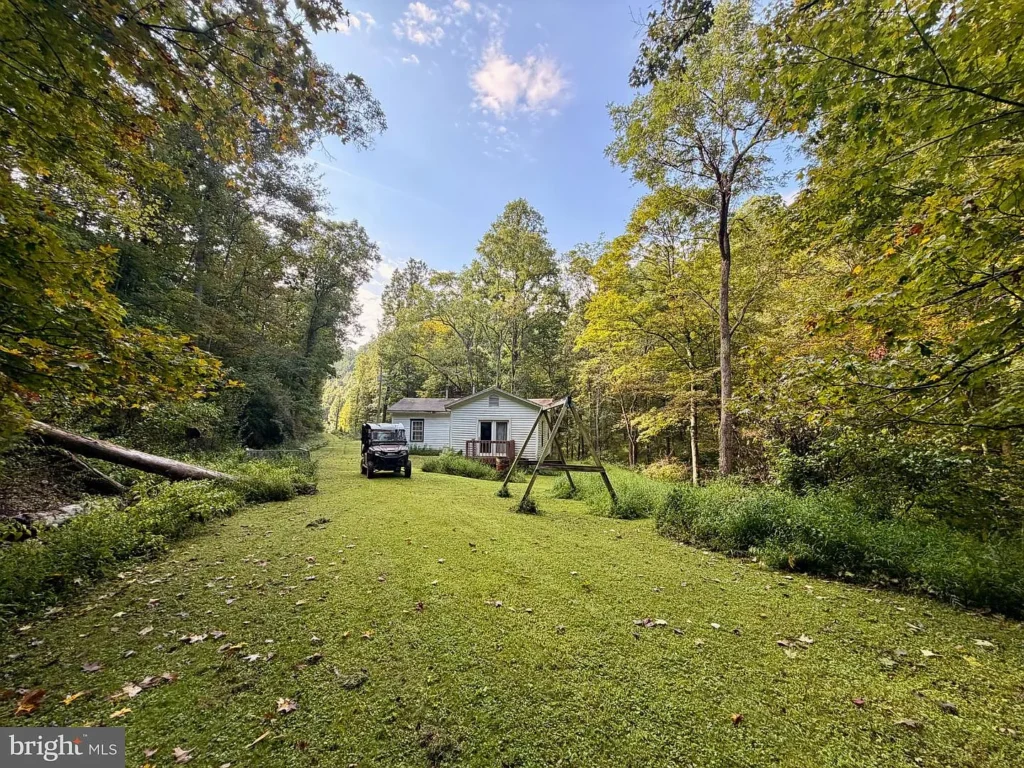
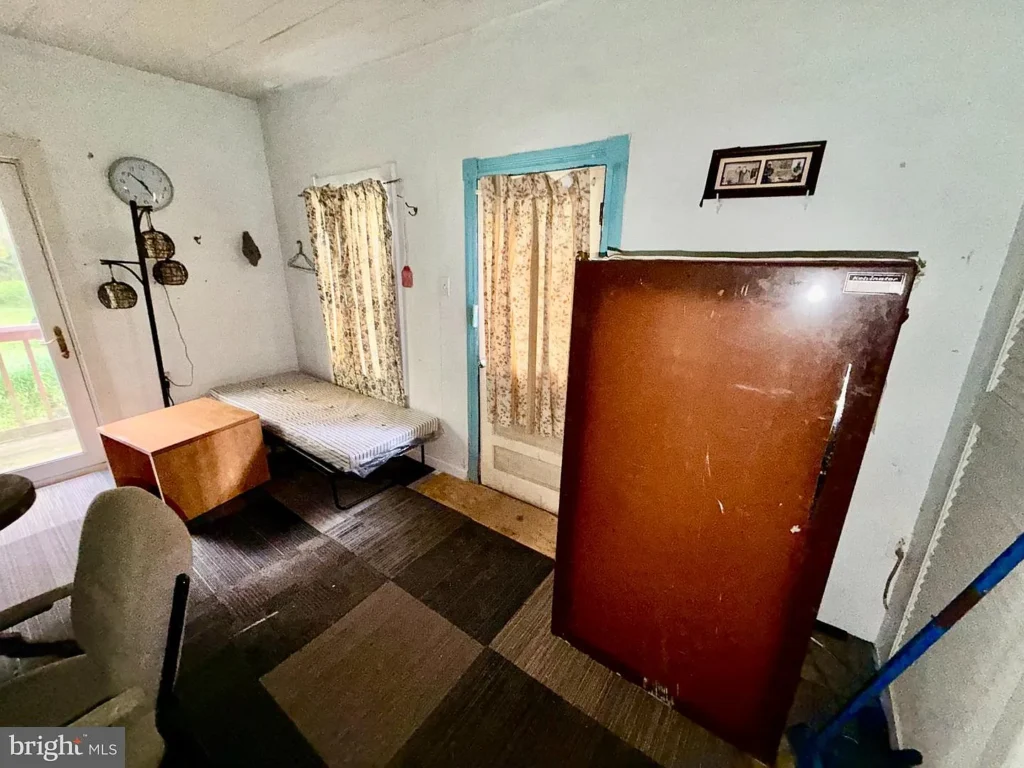
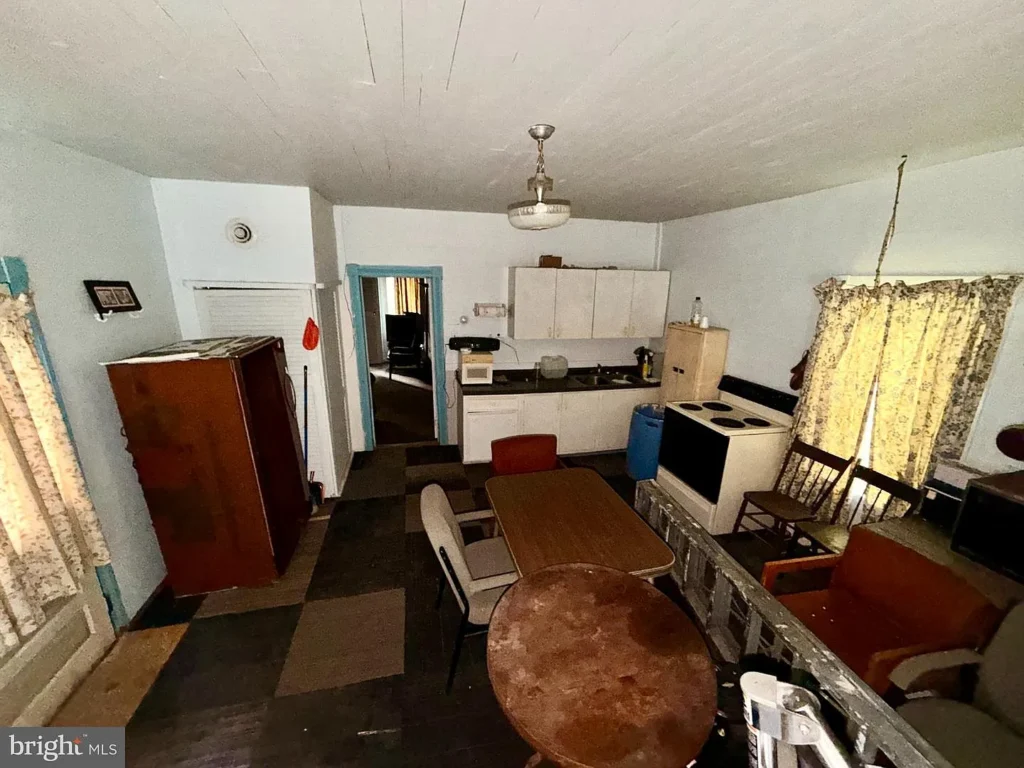
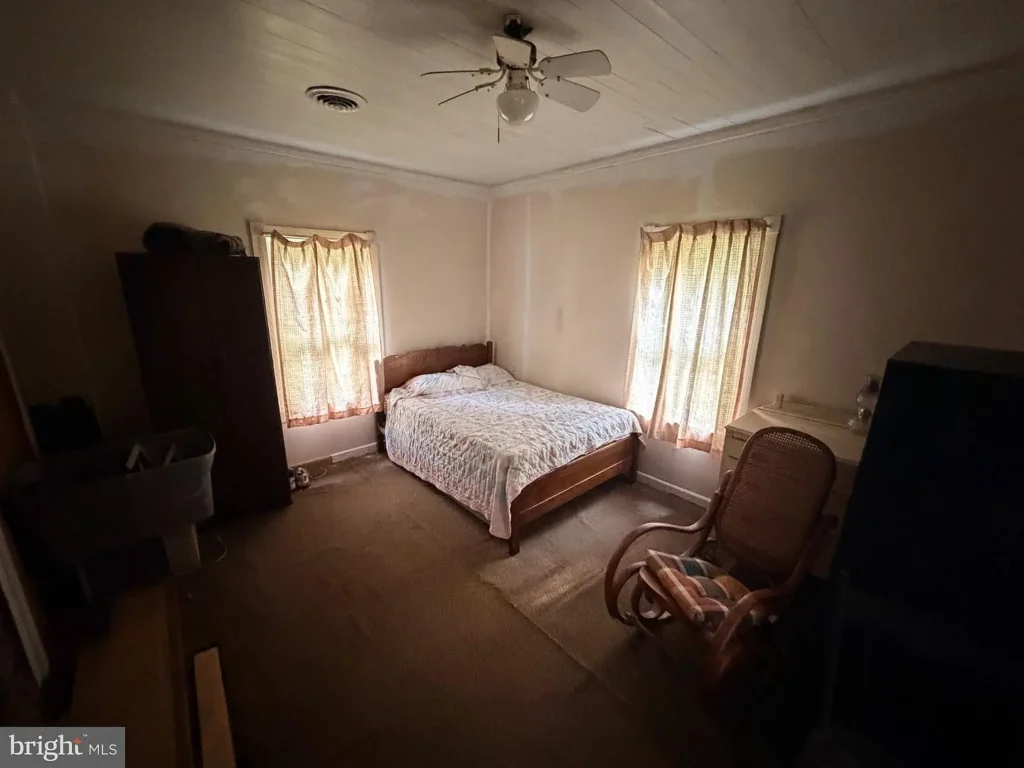
The property includes a single-story wood-frame cabin described as having wood siding, a metal or shingle roof, a raised front deck, and sliding glass entry doors. The interior reportedly has an open kitchen and living area, laminate countertops, a double stainless-steel sink, an electric range, vinyl flooring, and a separate bedroom area.
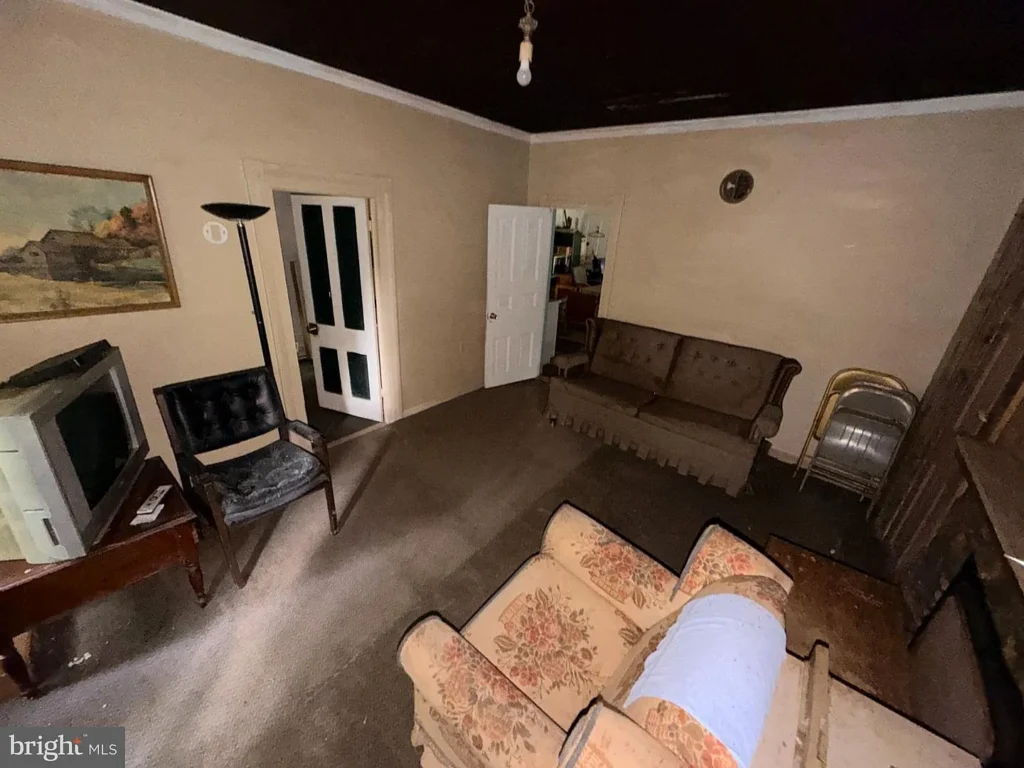
While the cabin offers a starting point for a hunting camp or rural retreat, the supplied description identifies a need for repairs and modernization. Reported concerns include floor leveling, insulation, interior finishes, fixture replacement, and reinforcement of the deck.
The phrase “sold as-is” is particularly important. It means buyers should not assume the seller will complete repairs or correct defects as part of the sale. The precise contract terms still matter, and an inspection should be arranged before closing wherever possible.
A qualified inspector or contractor should assess the foundation and supports, floor framing, roof, siding, windows, doors, deck, plumbing, electrical installation, and heating arrangements. The inspection should also establish whether the cabin meets the applicable requirements for the buyer’s intended use.
The fact that utilities are reported on site does not necessarily mean every appliance or system is safe, functional, or suitable for continuous residential use.
Grid Electricity, Private Well, and Septic System
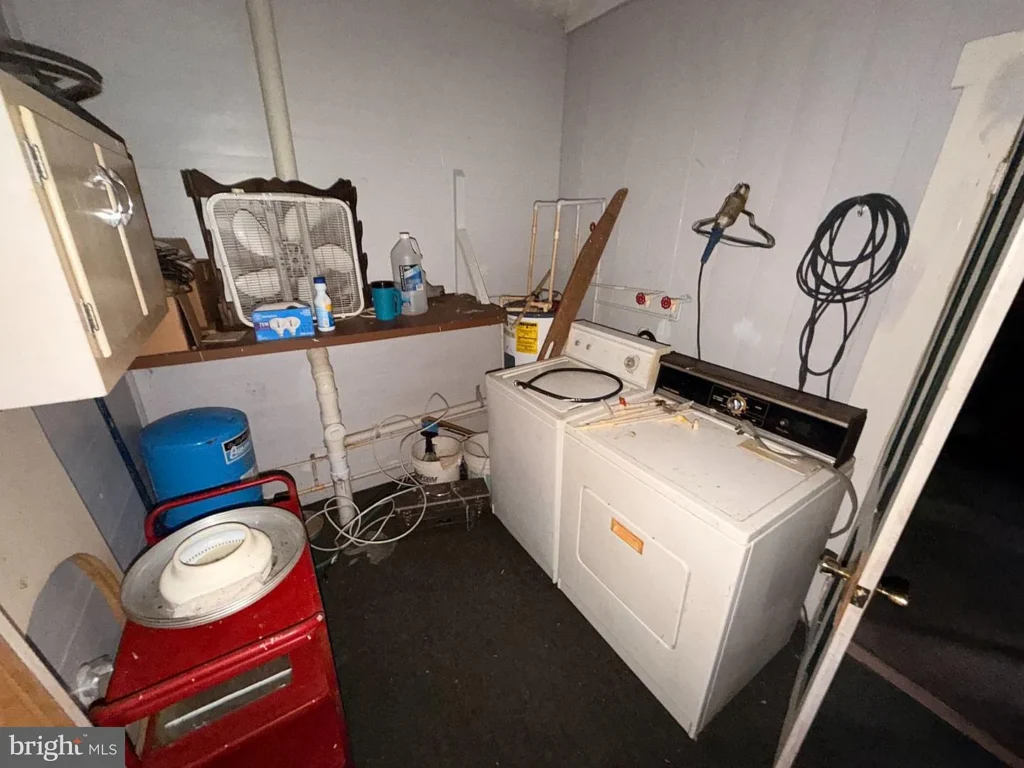
One of the property’s reported advantages is the presence of several existing utility systems. Grid electricity is described as connected to the cabin, while a drilled private well and on-site septic system are also reported.
These features could reduce the amount of initial development work compared with a completely unimproved parcel. However, buyers should confirm the status and condition of each system before assigning a financial benefit to it.
The electrical installation should be checked by a qualified electrician, especially if the cabin needs modernization. The well should be tested for water quality and flow, and buyers should obtain any available well records.
The septic system also warrants inspection. A visual review and review of available documentation can help establish its condition, but the system’s capacity and suitability for the intended occupancy should be confirmed with the appropriate professionals or local authorities.
Buyers should not assume the septic system eliminates the need for future maintenance or that it can support additional cabins or a substantially expanded residence without further approval.
The On-Site Natural Gas Arrangement
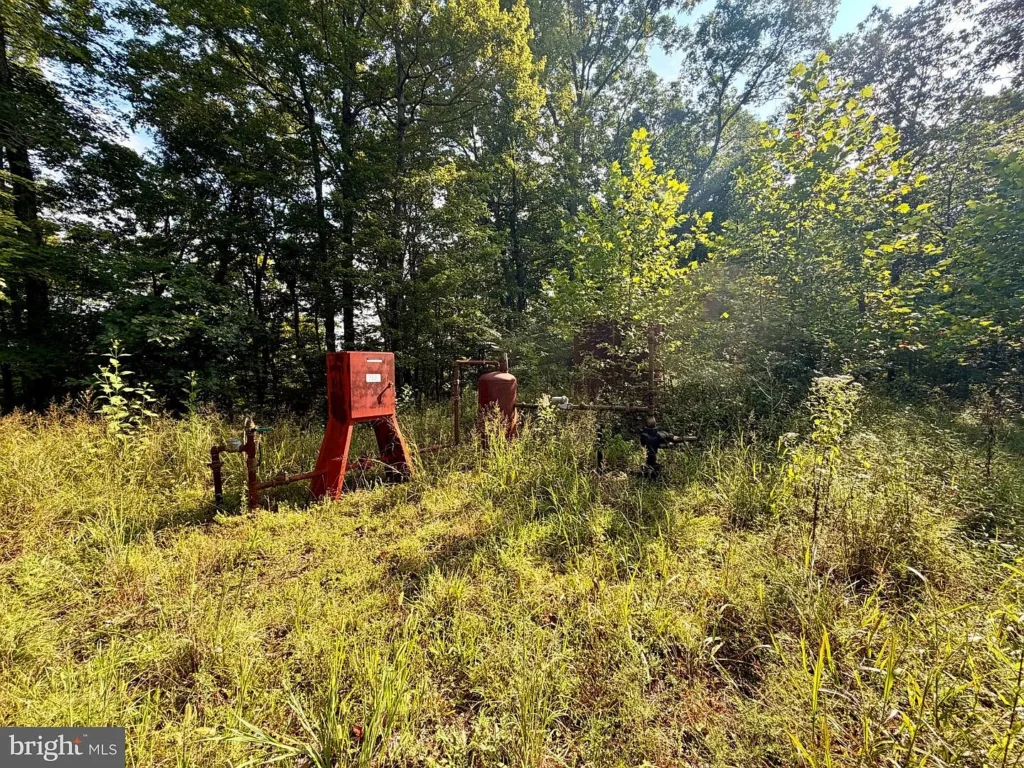
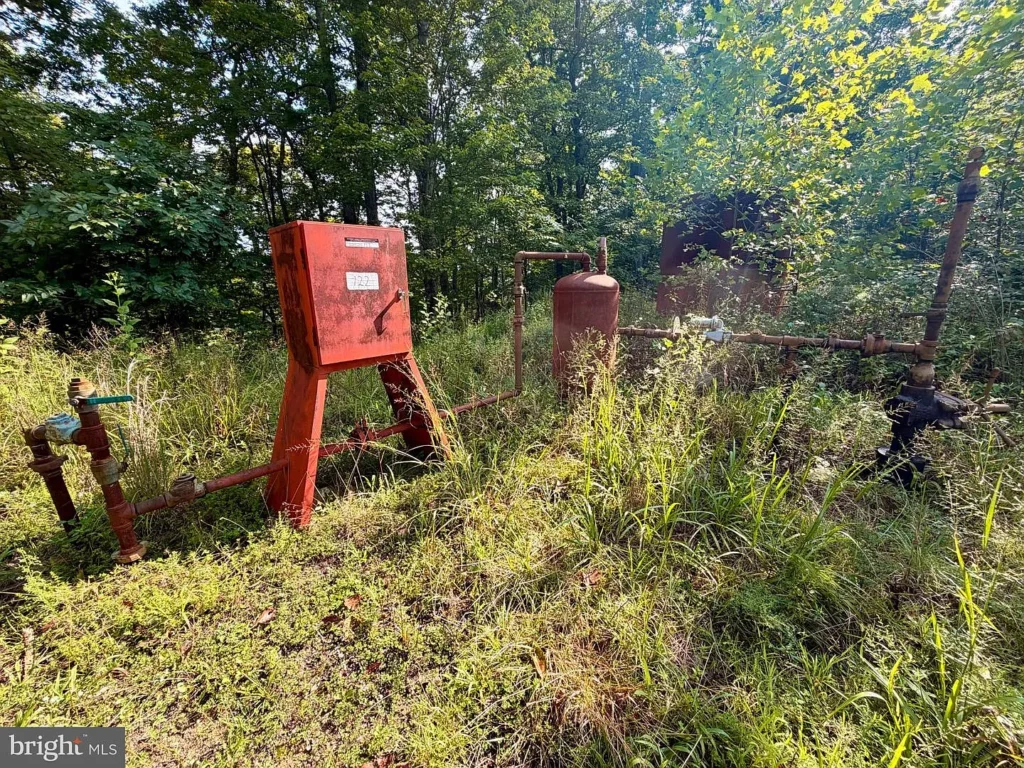
The supplied listing information describes a natural gas wellhead and meter manifold on the property, with a domestic gas connection reportedly available to the cabin. It also describes the gas as free under an applicable agreement.
This feature could be valuable if the arrangement is legally documented, remains in effect after a transfer of ownership, and provides an adequate supply for the intended use. However, the precise terms of the reported free-gas provision have not been independently verified.
Buyers should obtain the relevant deed, lease, or written agreement and have a West Virginia real estate attorney review the terms. Important questions include how much gas is allowed, which appliances may use it, whether the right transfers to a new owner, what happens if the producing well stops operating, and who is responsible for maintenance.
The description also states that the surface owner may be responsible for domestic regulators, drip tanks, and supply lines. Those obligations should be confirmed before purchase.
Because the gas connection is associated with a wellhead, safety should be a priority. A qualified gas technician should inspect the connection, pressure regulation, lines, and any appliances before the system is used. Buyers should not attempt to service or modify wellhead equipment themselves.
The property should not be budgeted on the assumption of permanently free heating until the relevant agreement and system condition have been verified.
Mature White Oak, Red Oak, and Other Hardwood Timber
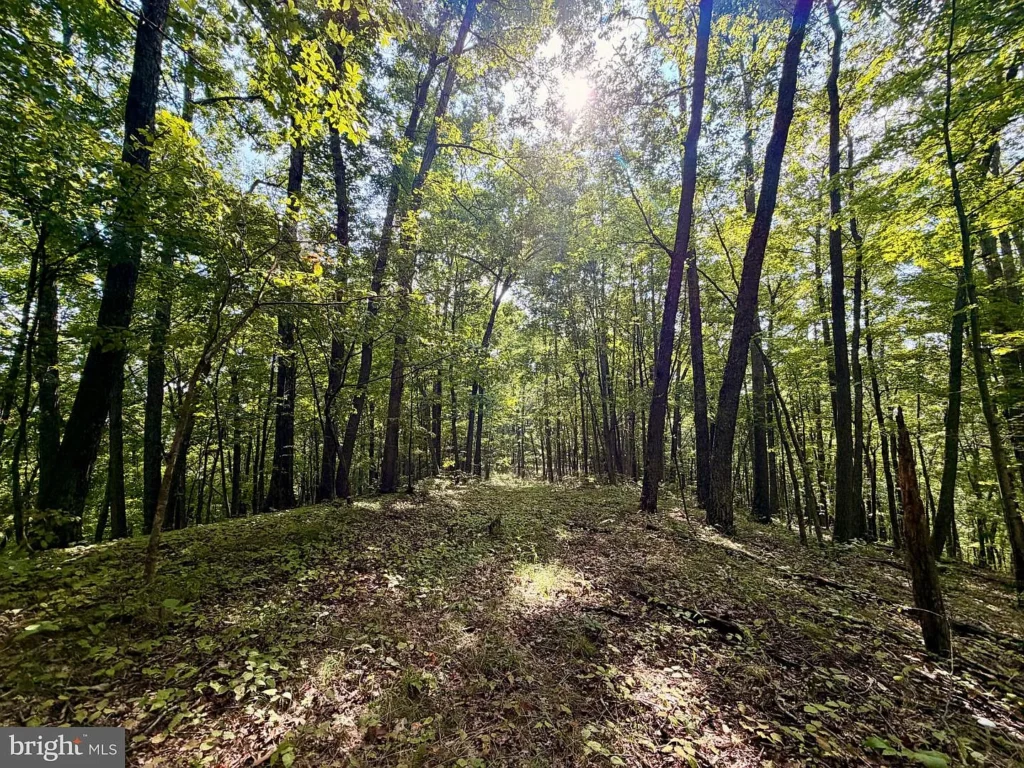
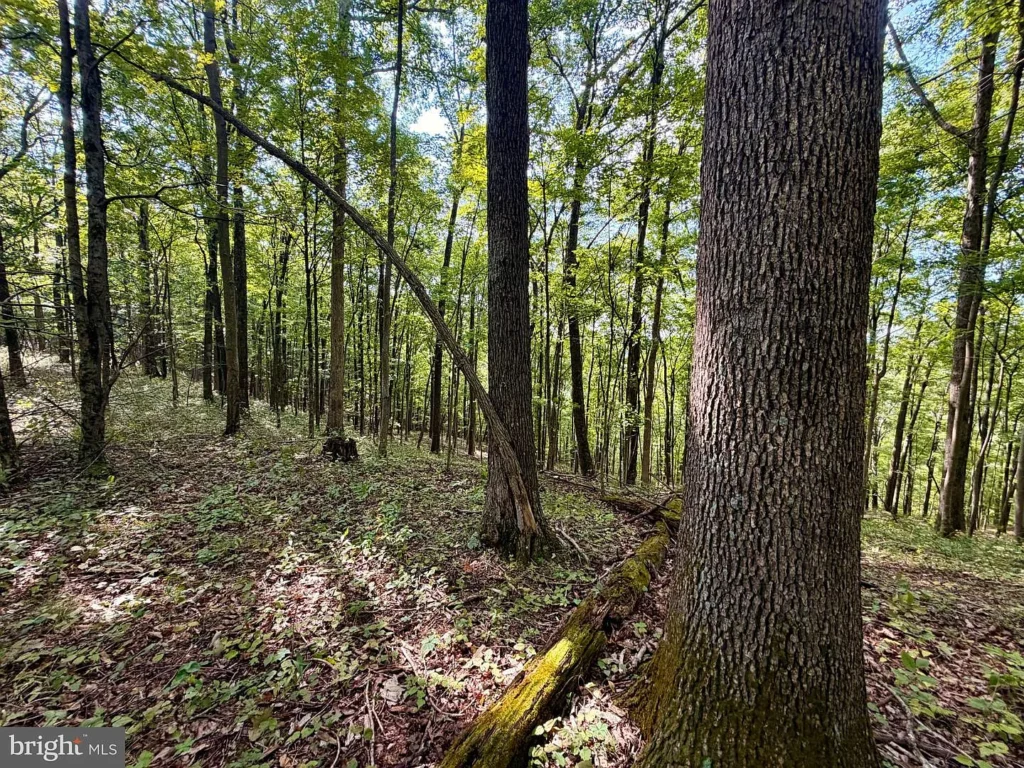
The property is described as containing mature White Oak and Red Oak, along with secondary hardwoods such as yellow poplar, hickory, and soft maple.
These species may have commercial uses, but the presence of mature trees does not establish the quantity or market value of harvestable timber. Timber value depends on species, trunk size, log quality, volume, accessibility, local demand, harvesting costs, and any contractual or legal restrictions.
A consulting forester can conduct a timber cruise to estimate the standing volume and assess the quality of the timber. This evaluation should distinguish between trees that may be suitable for high-value logs and those more appropriate for lower-grade lumber or other uses.
Buyers interested in retaining the property for recreation may prefer to manage the forest rather than harvest it immediately. Selective harvesting, long-term forest management, and wildlife habitat objectives can have different financial and environmental implications.
Before any logging activity, the buyer should also verify property boundaries, access for equipment, applicable forestry requirements, and whether any easements or existing agreements affect the timber.
The property’s hardwood resources may be an important consideration, but no specific timber valuation or guaranteed revenue should be assumed without a professional assessment.
ATV Trails and Recreational Access
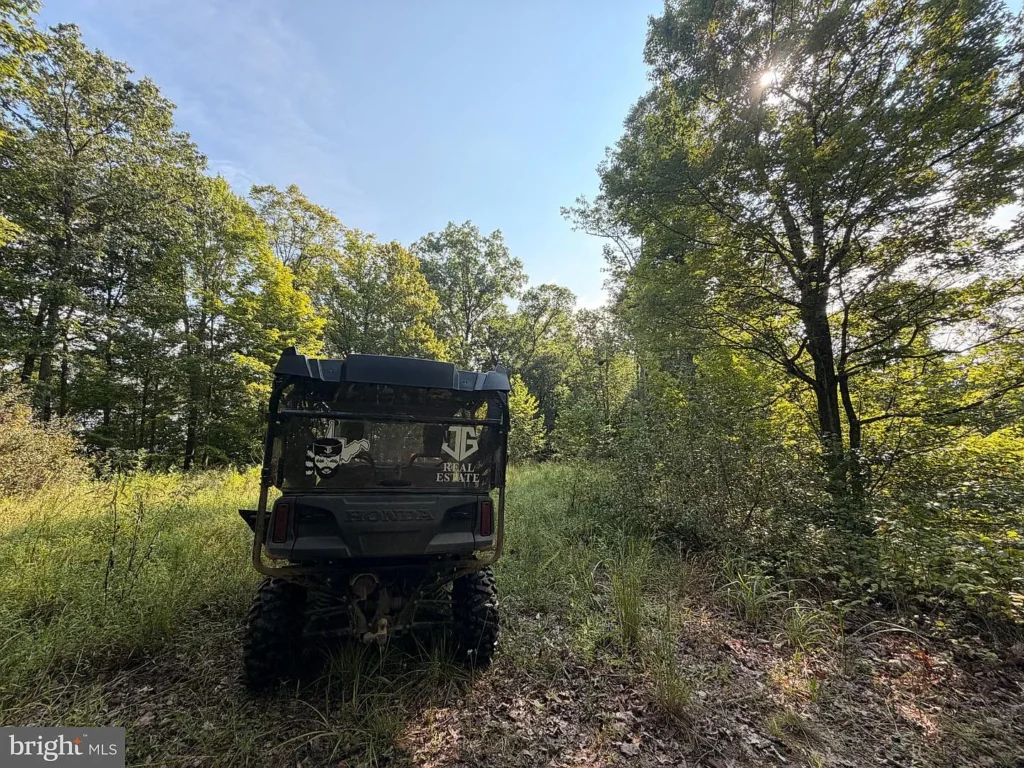
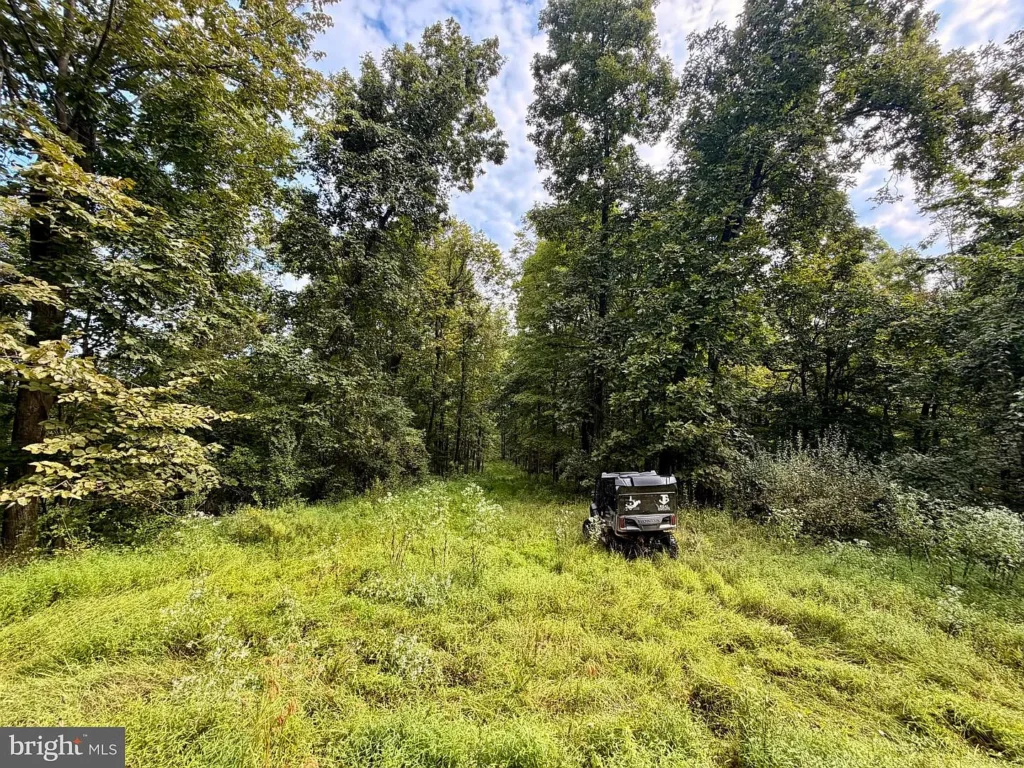
An established network of UTV and ATV trails is reported across the property. For buyers interested in hunting, hiking, outdoor recreation, or maintaining a private rural retreat, existing trails may make parts of the acreage easier to reach than heavily wooded land without internal access.
The actual condition of the trails should be inspected. Drainage, erosion, steep grades, fallen trees, and seasonal conditions can affect how reliably they can be used.
The presence of trails does not necessarily establish that every section of the property is accessible by vehicle throughout the year. Buyers should also determine whether trail maintenance, culvert repairs, or other work will be required.
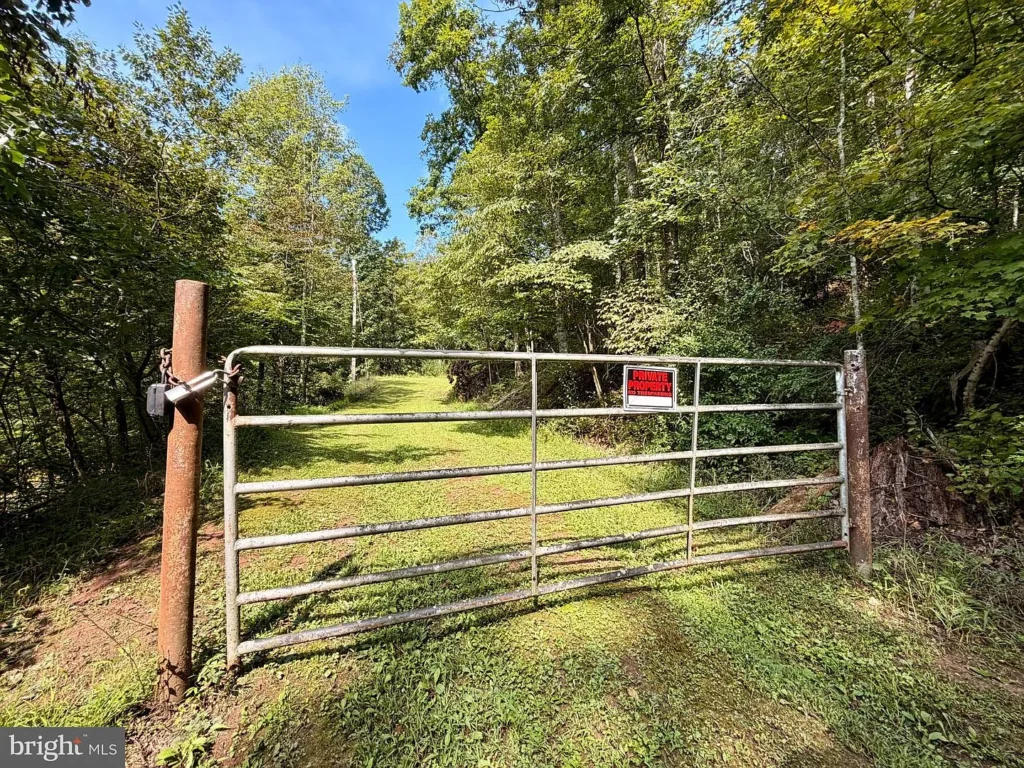
A gated entrance is reported, but the legal status of the entrance and any access easements should still be confirmed. Buyers should establish that access from the public road is lawful and that the routes they intend to use lie within the property or are covered by appropriate rights.
For hunting or other recreational uses, buyers should review applicable West Virginia laws and local requirements rather than assuming that all activities are automatically permitted.
Cleared Utility Corridors and Wildlife Habitat
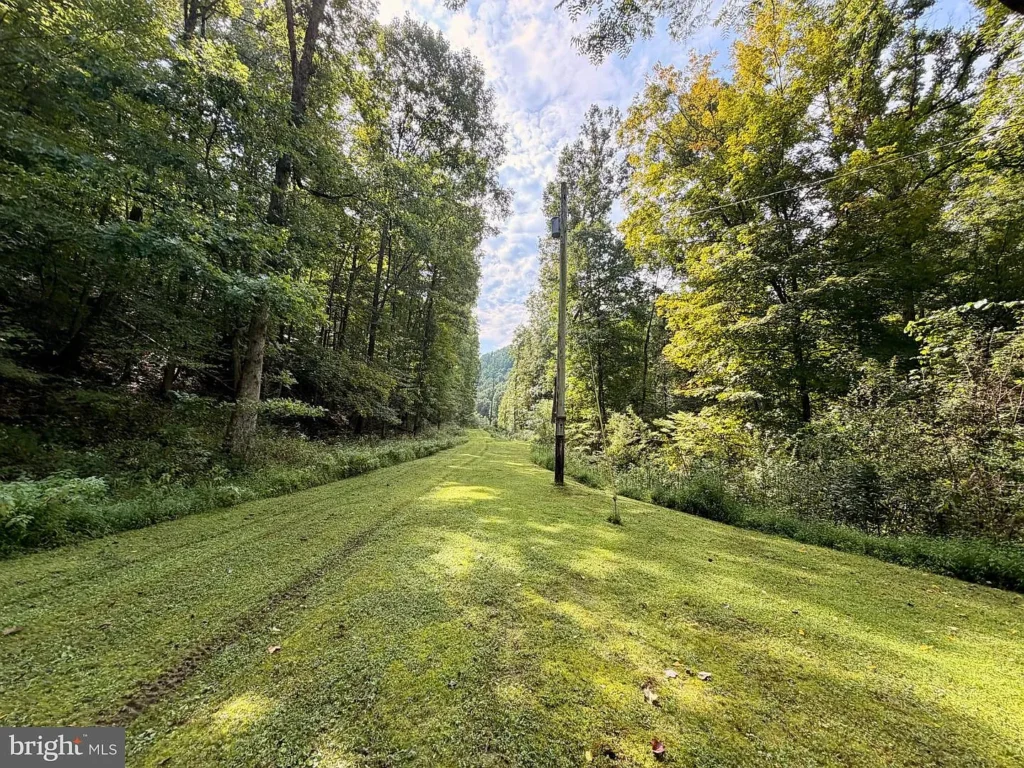
The listing describes wide, cleared utility or pipeline corridors that cross portions of the wooded hillsides. Depending on their location and legal status, these open areas may provide long sightlines, access routes, or potential sites for wildlife-management activities.
Some landowners use suitable clearings for planting food plots or maintaining open habitat. However, utility corridors may be subject to easements, maintenance access, vegetation restrictions, or other terms that limit what can be planted or built.
Before altering a corridor, buyers should review the recorded easement or right-of-way documents and identify the party responsible for maintaining it. They should also determine whether any activities require permission from a utility or pipeline operator.
The property’s mixture of hardwoods, open areas, and internal trails may support wildlife habitat. The listing mentions deer, wild turkey, and black bear, but buyers should assess wildlife conditions and hunting opportunities independently.
The cleared corridors should be considered potential recreational features, not unrestricted building sites.
Estimated Taxes and Ongoing Holding Costs
The supplied information reports annual property taxes of $790, which works out to approximately $65.83 per month when averaged over the year. No HOA dues are reported.
| Carrying cost | Reported amount |
|---|---|
| Annual property taxes | $790 |
| Monthly tax equivalent | $65.83 |
| HOA dues | $0 reported |
The reported tax figure is one component of the property’s ongoing cost. Buyers should verify the latest bill through Gilmer County records and account for insurance, cabin maintenance, trail upkeep, vegetation management, well and septic servicing, and any repairs to the gas system.
The supplied description estimates no heating utility expense under the free-gas arrangement. That should not be treated as a guaranteed ongoing cost of zero until the gas agreement, supply, equipment, and maintenance responsibilities are confirmed.
The cabin’s as-is condition may also create expenses soon after purchase. A buyer should budget for repairs even if the intention is to use the property primarily as a seasonal hunting camp.
Comparing the Property With Other Rural Land
At approximately $2,508.50 per acre, the property can be compared with other acreage offerings in Gilmer County and nearby parts of West Virginia. However, the supplied figures about regional raw-land prices and serviced-property benchmarks have not been independently verified.
A fair comparison should account for the presence of a cabin, working utilities, road access, timber quality, trail infrastructure, terrain, and any rights or restrictions associated with the gas wellhead and utility corridors.
A parcel with established services may save some development work, but the value of that advantage depends on the condition and legal status of the systems. Likewise, a timbered tract cannot be valued accurately based on tree species alone.
Recent completed sales of comparable properties are generally more informative than asking prices alone. Buyers may wish to consult a local land agent, appraiser, and consulting forester to evaluate the property against relevant evidence.
The asking price per acre provides a useful starting point, not proof that the property is below market value or will appreciate.
Essential Due Diligence Before Purchasing
Before making an offer on Elderberry Road, prospective buyers should consider the following steps:
- Review the natural gas agreement. Have a West Virginia real estate attorney verify the reported free-gas rights, any applicable quantity limits, transferability, and maintenance obligations.
- Inspect the gas equipment. Hire a qualified technician to assess the wellhead connection, regulator, drip equipment, supply lines, and cabin appliances before use.
- Obtain a timber assessment. Hire a consulting forester to estimate timber volume, quality, accessibility, and potential management or harvesting costs.
- Inspect the cabin. Evaluate the foundation, framing, roof, siding, floors, deck, plumbing, electrical system, and insulation needs.
- Test the well. Confirm water quality, flow rate, equipment condition, and available documentation.
- Evaluate the septic system. Review permits and maintenance records where available and obtain a professional assessment of its condition and capacity.
- Verify legal access. Confirm road frontage, the gated entrance, recorded easements, and the rights to use internal roads and trails.
- Review utility and pipeline corridors. Establish the location of easements and any restrictions on planting, construction, or maintenance.
- Confirm acreage and boundaries. Review the parcel records and obtain a boundary survey if needed to establish the exact property lines.
- Prepare a full ownership budget. Include taxes, insurance, cabin repairs, utility maintenance, trail upkeep, forestry management, and a contingency for unexpected expenses.
Final Thoughts on the 73.55-Acre West Virginia Property
The Elderberry Road property in Coxs Mills is listed for $184,500 and reportedly includes 73.55 acres, a rustic cabin, established ATV trails, mature hardwood timber, grid electricity, a private well, and a septic system. Its calculated asking price of approximately $2,508.50 per acre provides a useful baseline for comparing it with other rural land offerings.
The reported natural gas connection could be an important feature, but its long-term value depends on the written agreement, continued supply, equipment condition, and the obligations that transfer to the new owner. Similarly, the hardwood timber may have value, but a professional assessment is needed to establish its quality and volume.
The cabin is being sold as-is and requires further inspection before buyers can determine the cost of repairs or its suitability for year-round use. The trail network and cleared corridors may support recreation, but access rights and easement restrictions need to be confirmed.
For buyers interested in hunting, timber management, or a rural retreat, the property may warrant an on-site inspection. The most important step is to verify the infrastructure and legal rights before treating the asking price, timber, or gas arrangement as evidence of a particular investment return.
This article is based on the supplied listing information, which has not been independently verified. Buyers should confirm the acreage, taxes, timber value, utility status, gas agreement, access rights, cabin condition, and applicable land-use requirements with the relevant authorities and qualified professionals before purchase.


Listed on Zillow