My parents handed me court papers demanding $350,000 as “reimbursement” for raising me. My mother said coldly, “Sorry—we need the money to save your sister. She’s about to lose her house.” In that moment, I understood: I wasn’t their daughter, I was their ATM. The next day, they received court papers from me—and that’s when the begging began.

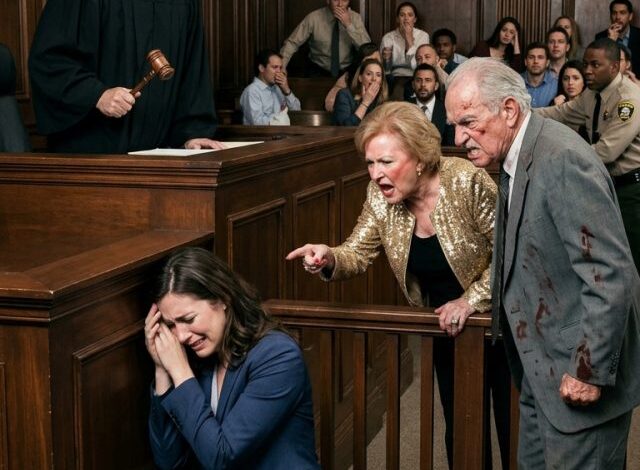
I arrived expecting a meal. Instead, the dining table held two cups of tea and a thick legal folder placed dead-center like a warning.
“Sit down,” my father said, all business. No small talk. No “How are you?”
My mother slid the folder toward me. “We need you to review something.”
Inside was a spreadsheet printed on expensive paper, attached to a formal-looking court filing. I scanned the categories and felt my stomach drop.
- Food and household costs from my childhood
- Utilities and “rent” for the room I grew up in
- Fees for activities I quit as a kid
- Medical expenses
- And then—insult on top of insult—made-up lines like “administrative parenting” and “emotional wear and tear”
At the bottom: $350,000.
I looked up, expecting laughter. A prank. Anything.
My mother didn’t blink. “We’re suing you for reimbursement. We need the money.”
My father finally explained why: Chloe had taken on more debt—something involving a second mortgage and her husband’s failed business plan—and now foreclosure was on the table.
They’d asked me to help before. I had. Repeatedly. And I’d finally said no.
That’s when my mother said it, cold and clean:
“Sorry. We need the money to save your sister.”
In that moment, the family story I’d been clinging to collapsed. They weren’t desperate parents making a bad decision. They were calculating. They had turned love into an invoice.
I stood up, placed the folder in my bag, and said the only thing that made sense:
“See you in court.”
Chapter 2: I Didn’t Just Defend Myself—I Countered
The next morning, I met with a senior litigation attorney I’d used for corporate matters. He read the lawsuit and actually laughed.
“They’re billing you for raising you?” he said. “That’s not how the law works. This will get tossed.”
I told him I wasn’t there just to get it dismissed.
I was there to go on record.
Because while my parents were pretending they’d “invested” in me, I had years of proof showing the opposite: I’d been financially supporting them—and funding Chloe’s life—through a steady stream of guilt, manipulation, and outright lies.
I brought organized files: bank transfers, screenshots, loan promises, and messages that clearly showed what the money was for.
Over the years, I’d paid for things like:
- Mortgage payments when my parents claimed they were about to lose their home
- A vehicle expense tied to Chloe’s “family needs” that I ended up covering to protect my credit
- A large “medical emergency” that later turned out to be a story—while social media showed them vacationing in luxury
My attorney’s expression shifted from amused to sharp.
“This isn’t just family drama,” he said. “This is documented deception. We can file a counterclaim. And with enough evidence, we can request emergency court orders to prevent assets from being moved.”
That’s exactly what we did.
Chapter 3: The Freeze Hit—And the Calls Started
The day the filings went through, my phone lit up like an alarm system.
Call after call. Voicemail after voicemail.
When I finally answered, my mother was panicking in public. Her card had been declined. Accounts were frozen. Retirement funds locked. The bank wouldn’t budge.
I kept my tone calm. “You should be receiving my paperwork shortly.”
She spiraled. “You’re suing us?”
“You sued me first,” I said. “You made our relationship a financial transaction. I’m simply responding with documentation.”
Then my father got on the line and tried intimidation—threatening my reputation, my job, my future.
I told him to go ahead.
“If you want attention,” I said, “I’m sure people will love reading the evidence.”
Chapter 4: The Golden Child Panicked
A few hours later, the next call came—this time with Chloe on the line too.
She was furious. She’d been served paperwork as well, and she couldn’t understand why.
Because when the numbers were traced, some of the money my parents claimed was for “emergencies” didn’t go toward emergencies at all.
It went to Chloe.
Payments. Transfers. Timing that lined up perfectly. Funds that helped maintain a lifestyle she couldn’t afford.
Chloe immediately did what she always does when consequences show up: she tried to separate herself from the mess.
Then, just as quickly, she turned on our parents.
She didn’t defend them. She didn’t thank them. She didn’t even pretend to be loyal.
She threatened to testify against them if it protected her.
And that was the moment my parents finally saw what I’d known for years: they’d spent their lives feeding a fire that would never warm them back.
Chapter 5: From Demands to Begging Overnight
Once the fear settled in, my parents’ tone changed completely.
No more courtroom confidence. No more righteous speeches about “owing” them.
Just pleading.
They offered to drop their lawsuit if I dropped mine. They begged to “reset” and pretend it never happened.
But there are some things you can’t un-see, and some lines you can’t uncross.
They had tried to bill me for being born. They had attempted to weaponize the legal system to force me into paying for my sister’s financial collapse.
So I made a settlement offer through counsel: a clean, enforceable agreement that protected me going forward.
It was simple:
- Transfer the home deed into my name (the same home I’d been paying for)
- Resolve the dispute as a civil settlement
- Cut financial ties permanently
They didn’t like it. But they understood the alternative.
They signed.
Chapter 6: A Fresh Start—and a Balanced Ledger
Months later, I stood outside the house I grew up in and watched the final chapter close.
The property sold. The numbers settled. The paperwork finished.
Chloe still lost the house she was desperate to keep. Her situation unraveled the way it always had—only this time, there wasn’t an endless supply of my money to patch the holes.
And my parents? They downsized, regrouped, and lived with the consequences of treating one child like an expense and the other like an entitlement.
Holding the proceeds from the sale, I realized something:
This wasn’t just about money. It was about freedom.
The moment they tried to put a price tag on our relationship, they accidentally gave me permission to stop chasing approval I was never going to receive.
I walked away lighter—because for the first time, I wasn’t carrying a family’s financial dysfunction on my back.
Final Thought
If you’ve ever been pressured into paying for someone else’s chaos, remember: boundaries aren’t cruelty. They’re protection—especially when money, manipulation, and favoritism are involved.
Have you ever dealt with family financial pressure or guilt-based “support”? Share your thoughts in the comments, and if this story hit home, pass it along to someone who needs the reminder that it’s okay to say no.