The Price of Loyalty Why We All Quietly Sell Our Souls for Less Than We Imagine –

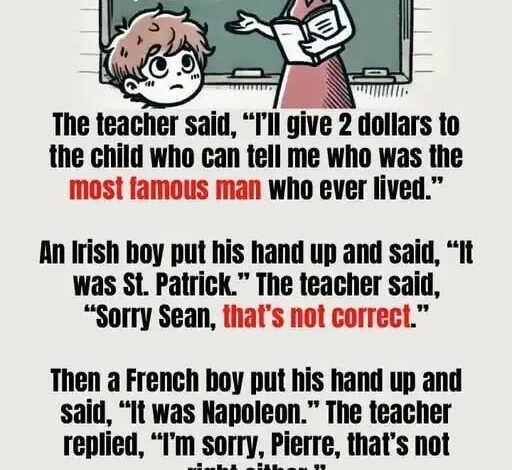
It’s funny because it’s absurd. But it’s also familiar.
In real life, people often measure relationships through a lens of gain and loss: status, comfort, stability, access, connections. The scary part isn’t wanting security—it’s when security becomes the main reason, and love becomes the marketing copy we use to justify the deal.
That’s how loyalty gets priced. Quietly. Casually. With a smile.
The “Magic Desk” Problem: Putting a Price Ceiling on Possibility
Then there’s the story of a man offered a “magic desk” for $5,000—supposedly a desk that brings unstoppable success. His hesitation isn’t really about whether magic exists. It’s about whether the price makes sense.
In other words, he’s not asking, “Could this change my life?” He’s asking, “Is this worth it?”
That mindset is everywhere now. We’ve trained ourselves to demand a measurable return on everything: education, friendships, hobbies, even rest. If it doesn’t produce results quickly, we label it a waste. If it doesn’t pay off, we call it pointless.
And over time, that mentality can shrink your world—because the most meaningful things in life don’t always come with instant proof, a receipt, or a guarantee.
The Quiet Arithmetic We All Do
These stories hit home because they reveal the transaction hiding under the surface. Faith, love, wonder, integrity—we like to believe those things are priceless.
Yet in everyday life, we negotiate them constantly:
- We take a higher-paying job over a healthier one because the paycheck feels “responsible.”
- We stay in draining friendships because the social circle is useful.
- We tolerate disrespect because starting over sounds expensive—emotionally, financially, professionally.
- We silence our real opinions because being liked can feel safer than being honest.
Most of the time, it isn’t one dramatic “sellout moment.” It’s small compromises stacked over months and years. Tiny trades that don’t look like much—until you realize they’ve shaped your identity.
What Happens After the Win Wears Off?
The real question isn’t whether people make practical choices. Of course we do. Bills are real. Responsibilities are real. Survival matters.
The real question is what’s left after the transaction is over.
After the promotion, the applause, the money, the attention—when the excitement fades—do you still recognize yourself? Or do you feel that strange aftertaste that comes from getting what you wanted and realizing it cost more than you expected?
Because sometimes the most valuable thing you’ll ever “own” isn’t a title, an account balance, or a reputation.
It’s the integrity you refused to put up for sale.
Final Thought
These stories aren’t meant to shame anyone. They’re a reminder. A mirror. A chance to pause and ask: “What am I trading away without noticing?”
Before you make your next big decision, don’t just count the profit—count the price.
Want more articles like this? Share your thoughts in the comments—what’s one time you chose peace over payoff (or payoff over peace), and what did it teach you?