2015 Mountain Cabin in Clayhole, Kentucky, Gets $40,000 Price Cut to $140,000

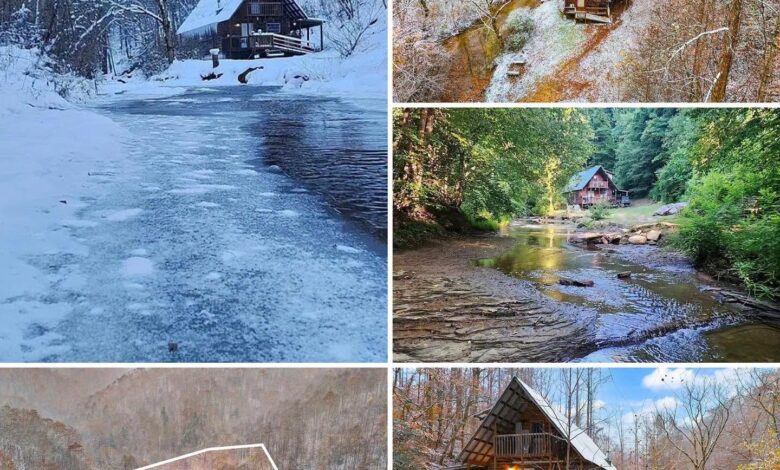
Kentucky A-Frame Cabin Listed for $140,000 After $40,000 in Price Reductions
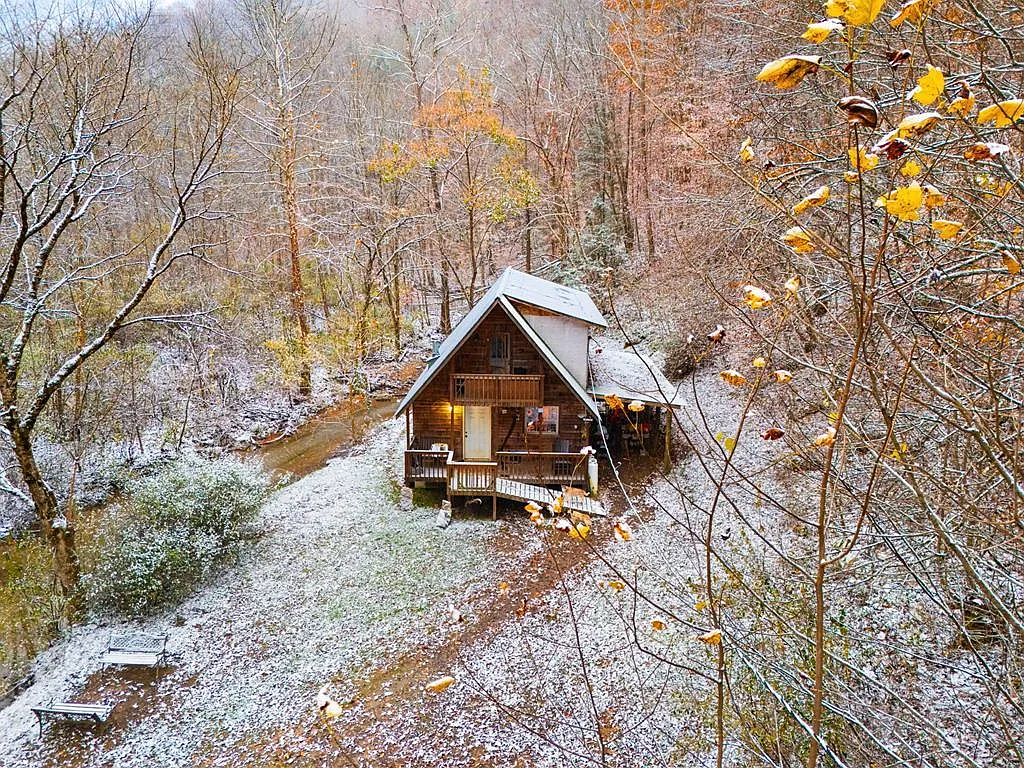
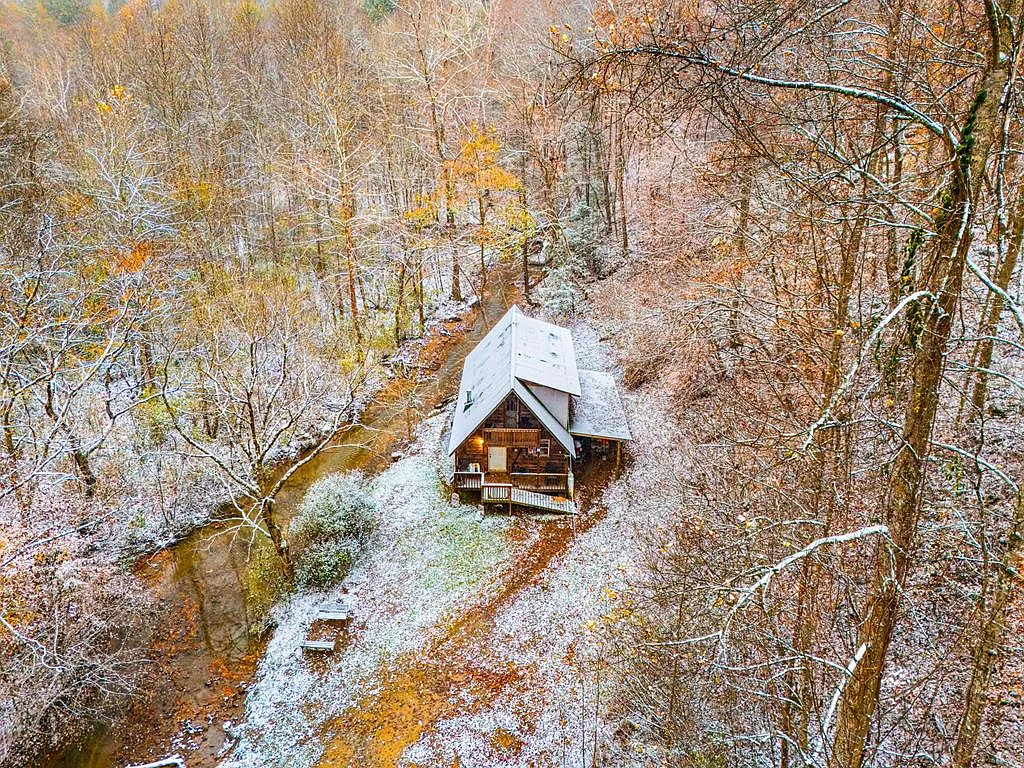
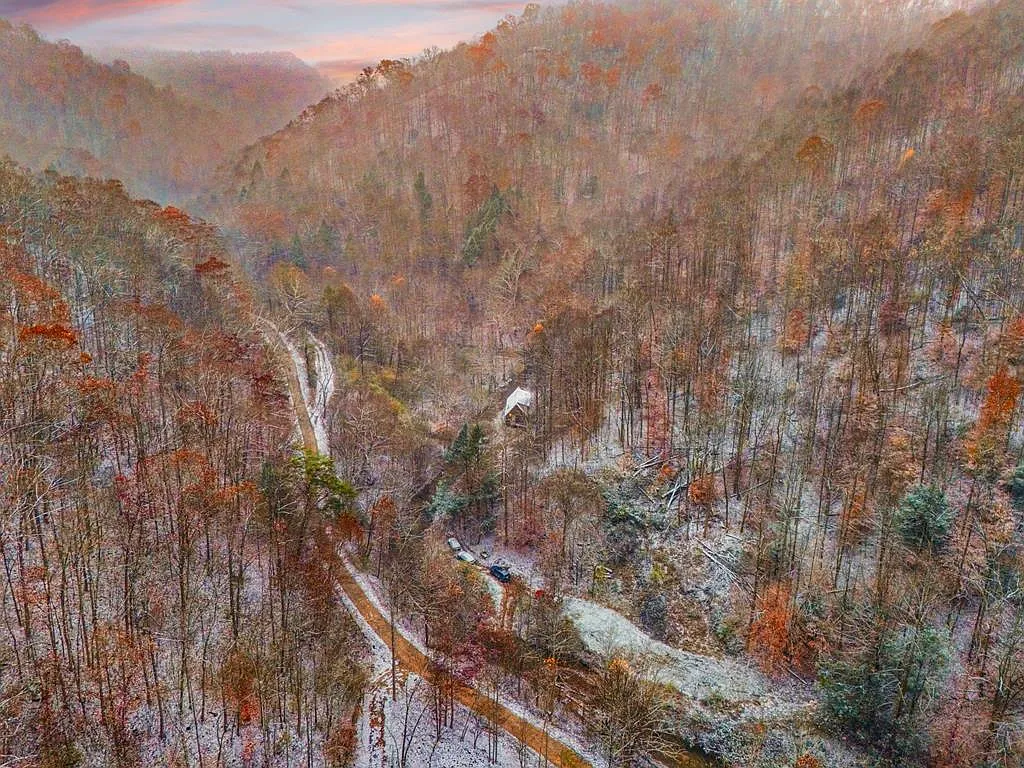
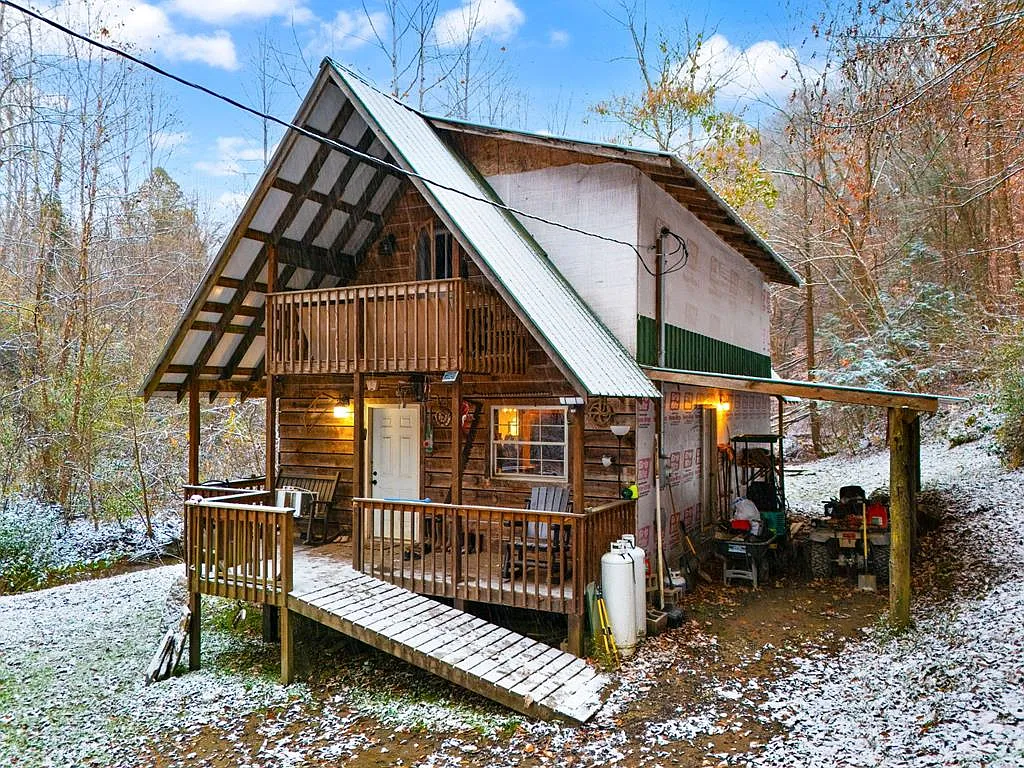
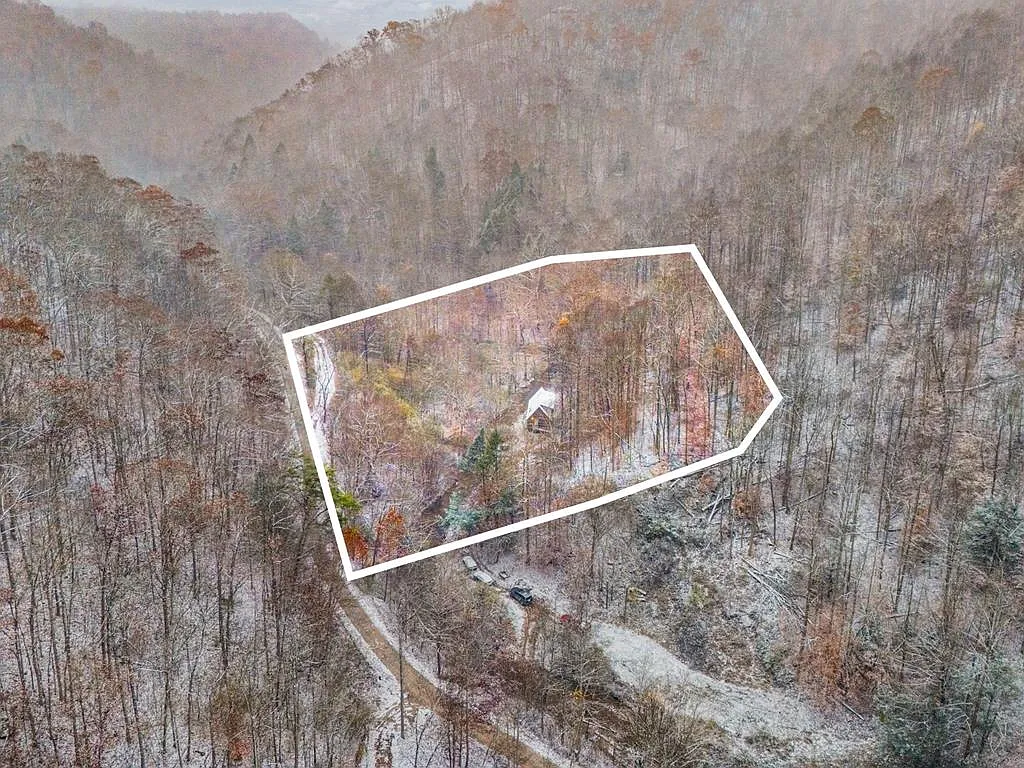
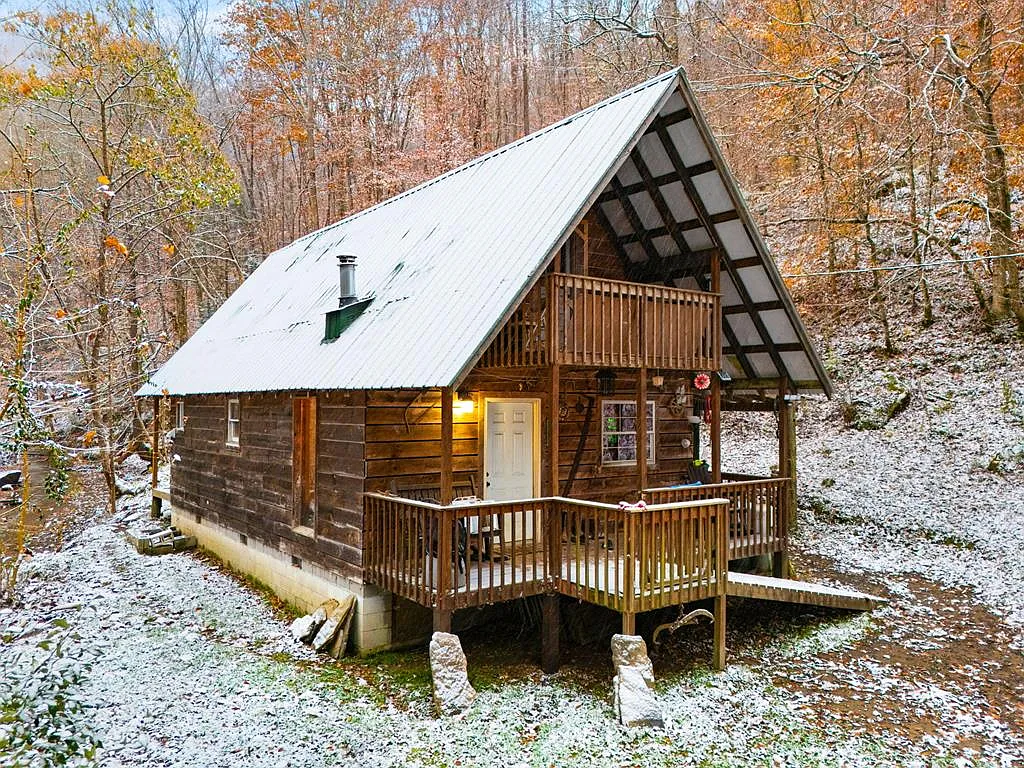
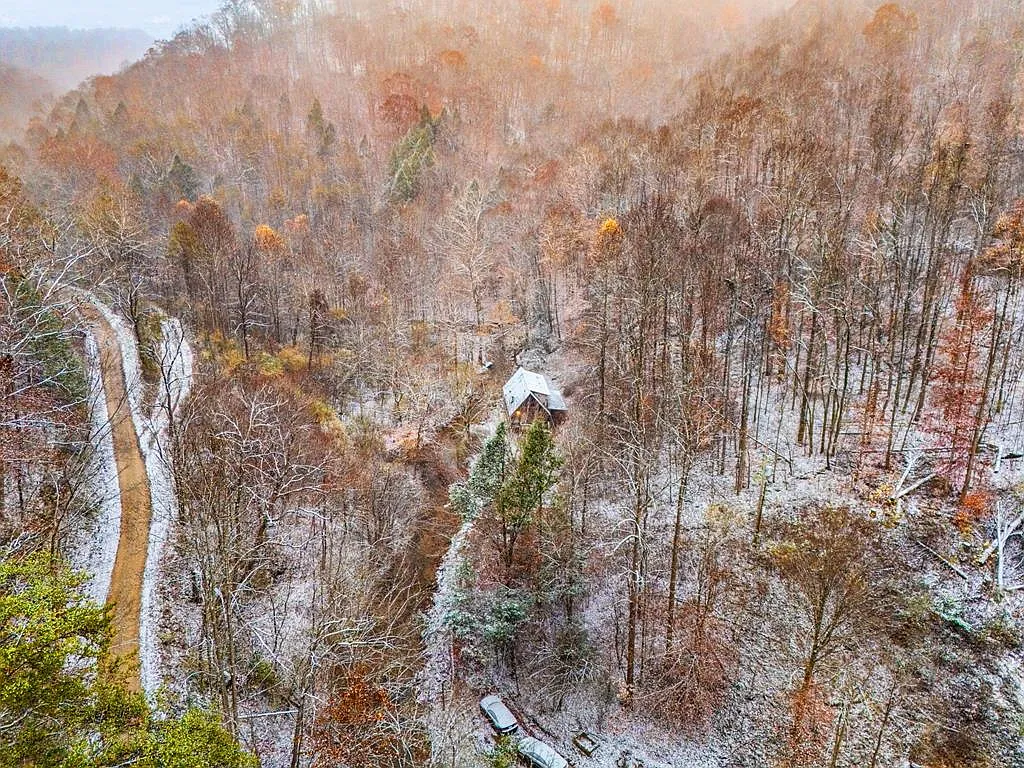
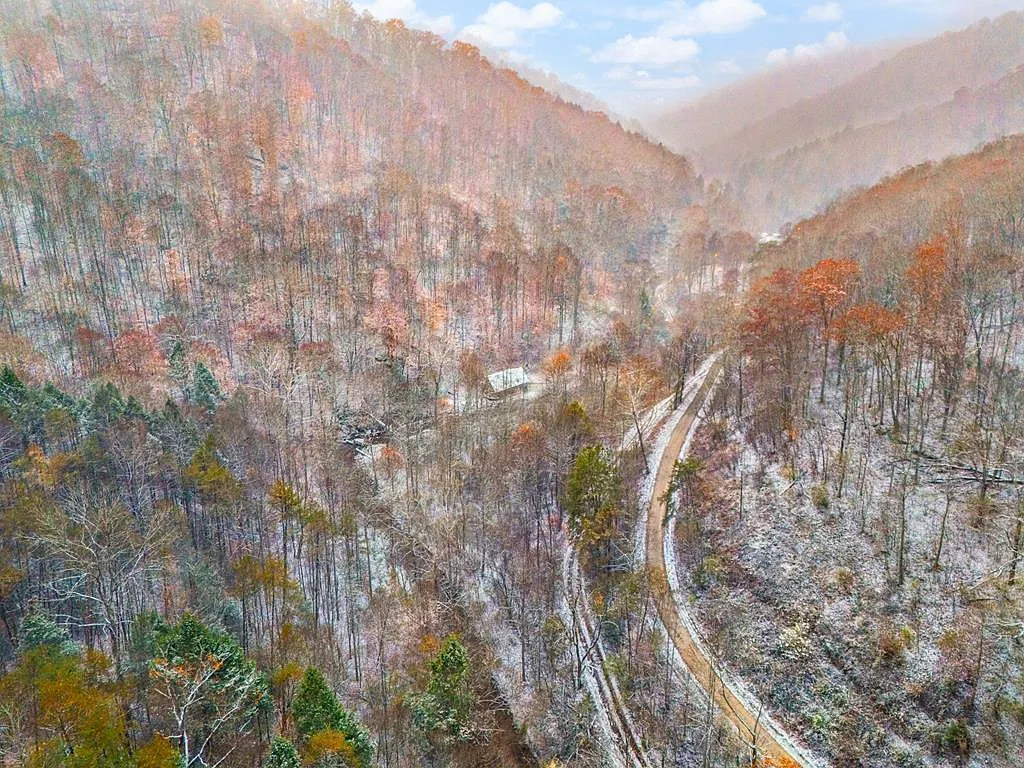
A mountain cabin in eastern Kentucky is being offered for $140,000 after two reported price reductions totaling $40,000. Located at 140 Kenneth & Earl Drive in Clayhole, Breathitt County, the property features a 1,000-square-foot A-frame cabin built in 2015, three bedrooms, one bathroom, and approximately 1.9 acres of wooded land.
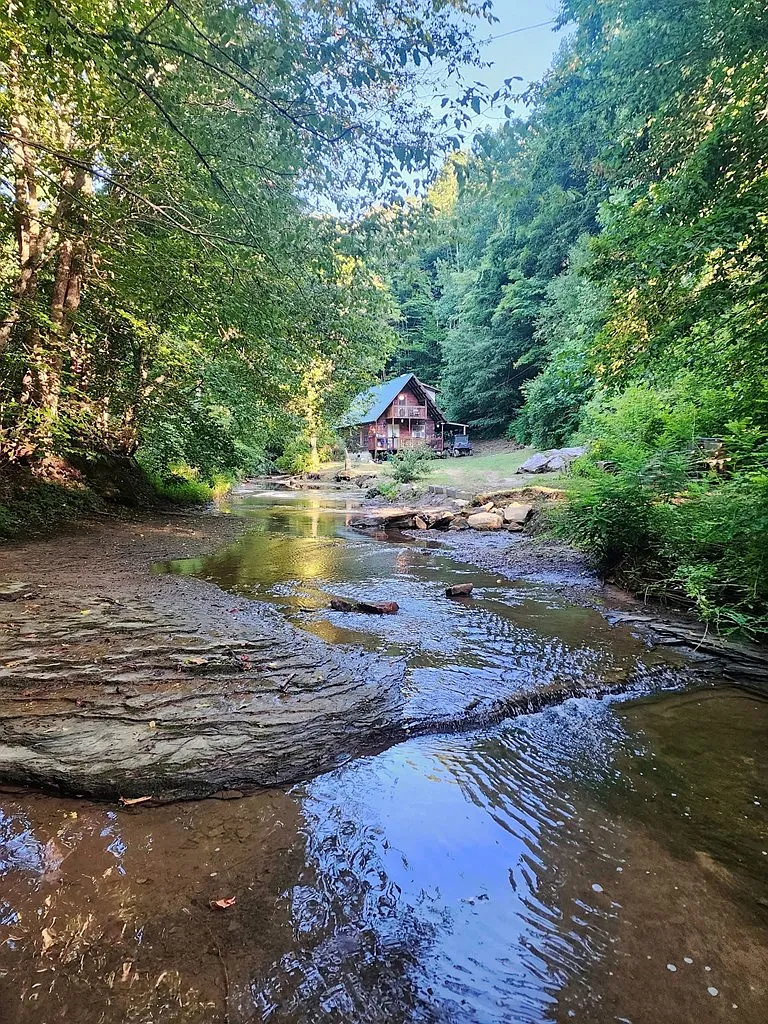
One of the property’s most distinctive features is its creek-crossing driveway, which provides a memorable entrance to the mountain setting but also raises practical questions about access during periods of heavy rainfall. Unlike many remote recreational cabins, the property is reported to have public water, grid electricity, a private septic system, and high-speed internet.
The combination of an established structure, existing utilities, and a wooded setting could appeal to buyers looking for a second home, a recreational retreat, or a property to investigate for potential rental use. However, its financial appeal depends on more than the asking price. Buyers should evaluate the creek crossing, the condition of the cabin and septic system, insurance costs, and whether short-term rentals are permitted before making an investment decision.
Property Overview and Listing Details
The property combines a relatively recent cabin with a small acreage holding in the hills of eastern Kentucky.
- Address: 140 Kenneth & Earl Drive, Clayhole, Kentucky 41317
- County: Breathitt County
- Asking price: $140,000
- Advertised living area: Approximately 1,000 square feet
- Bedrooms: 3
- Bathrooms: 1
- Year built: 2015
- Land: Approximately 1.9 acres
- Calculated asking price per square foot: $140
- Roof: Metal
- Exterior: Wood siding
- Foundation: Crawl space
- Water: Public water reported
- Wastewater: Private septic system reported
- Electricity: Grid service reported
- Internet: High-speed service reported
- Heating and cooling: Space heater and window air-conditioning unit, according to the supplied information
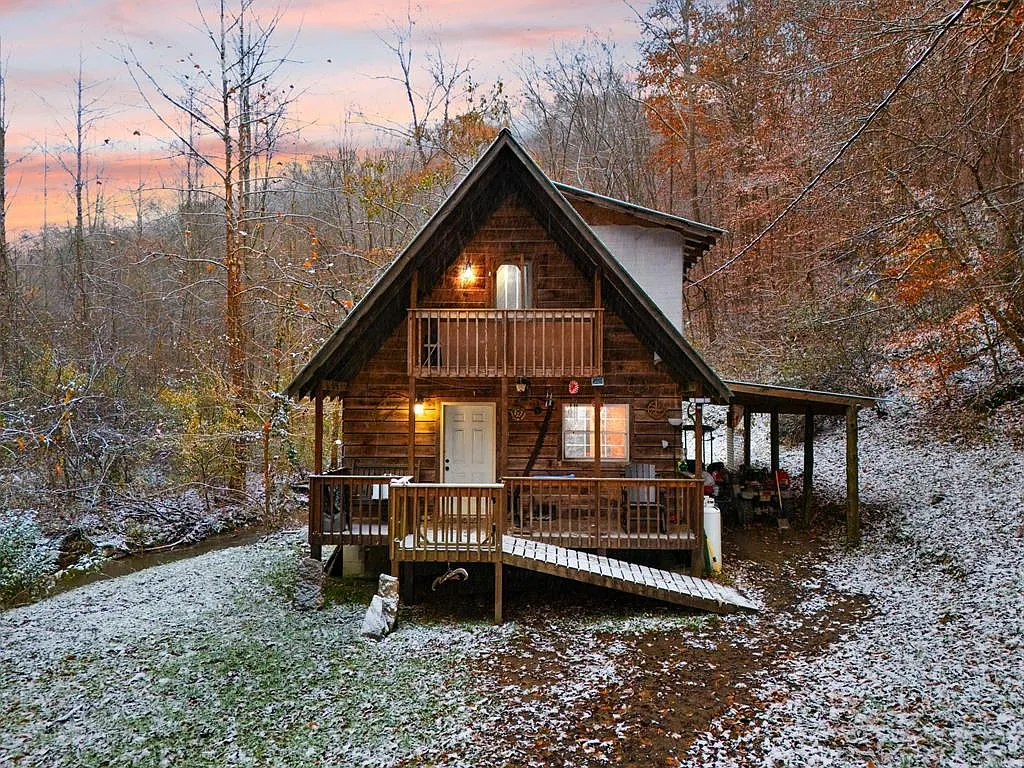
- Outdoor feature: Covered front porch
- Access: Private driveway crossing a creek
- Latest reported price reduction: $20,000 on July 29, 2026
At $140,000 for approximately 1,000 square feet, the asking price works out to $140 per square foot. That calculation does not account for the land separately, nor does it establish the property’s market value relative to comparable sales.
The property may be attractive to buyers who prefer an existing cabin over purchasing raw land and starting construction from scratch. Still, the actual condition of the building and infrastructure needs to be established through inspections and documentation.
A-Frame Design With Three Bedrooms
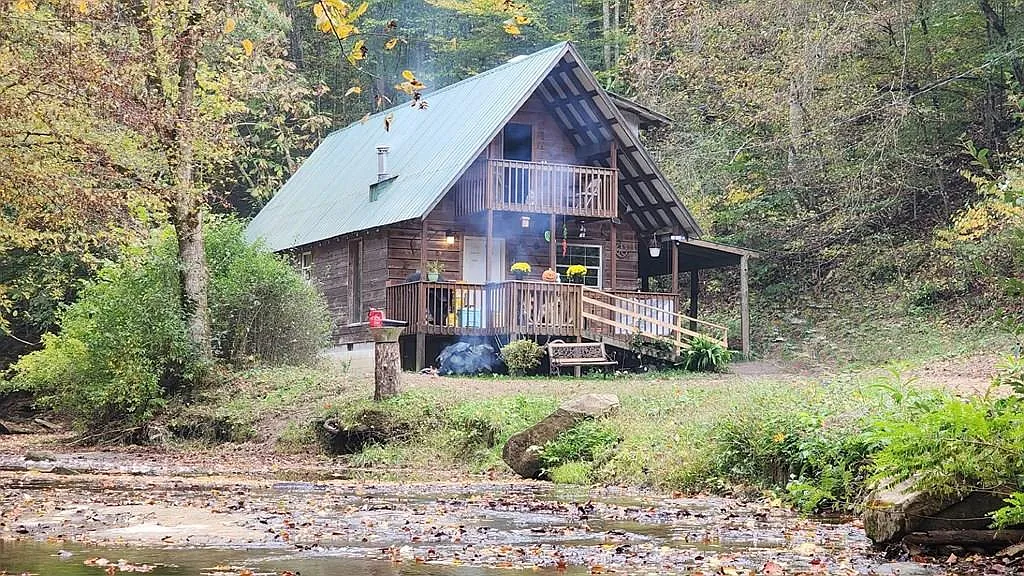
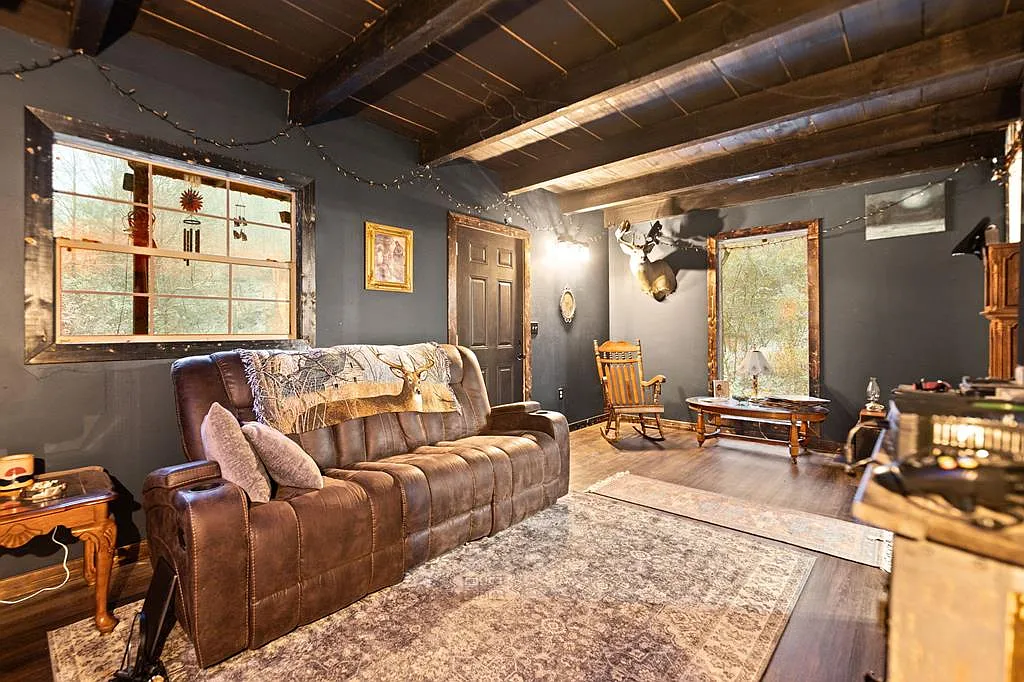
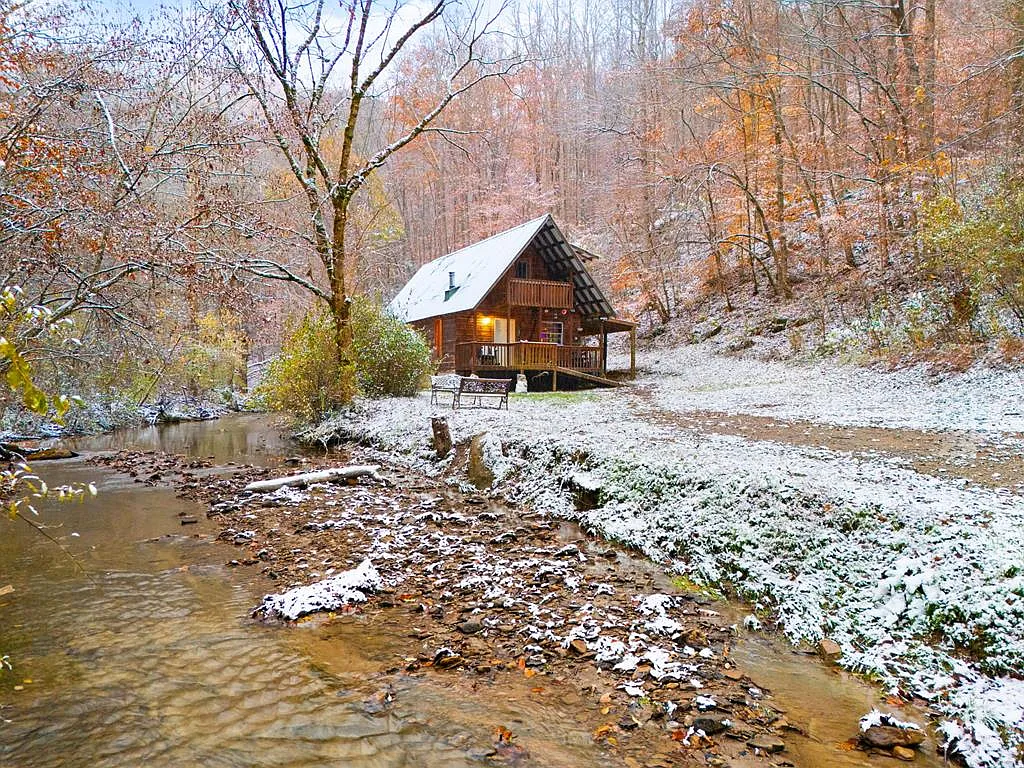
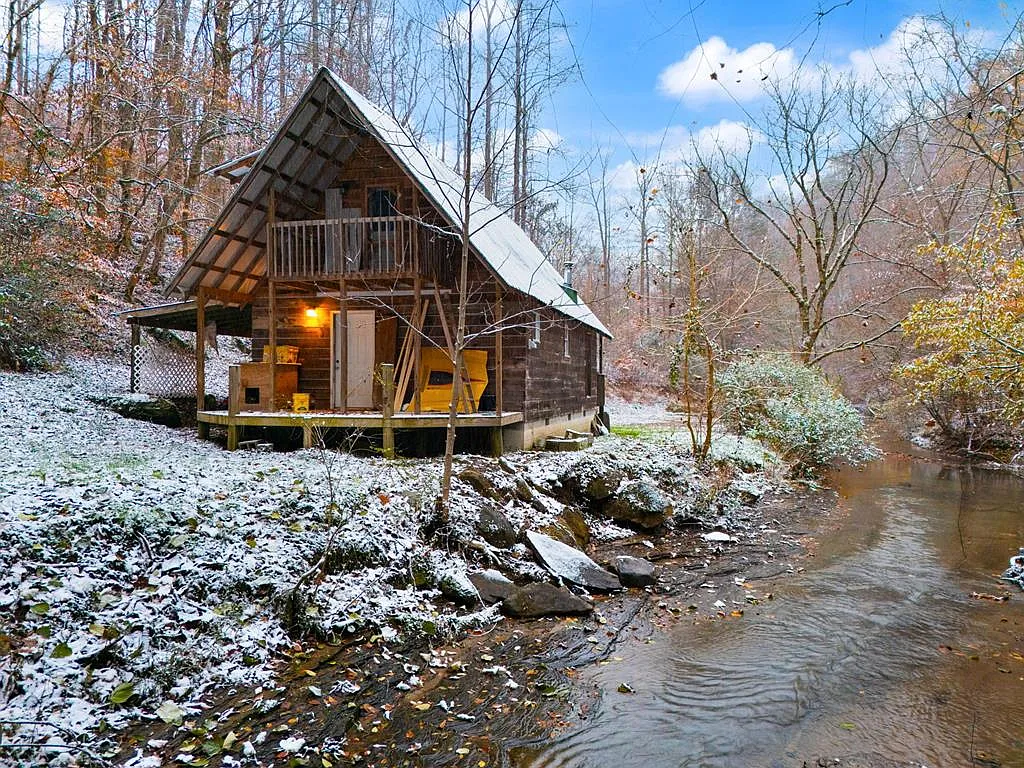
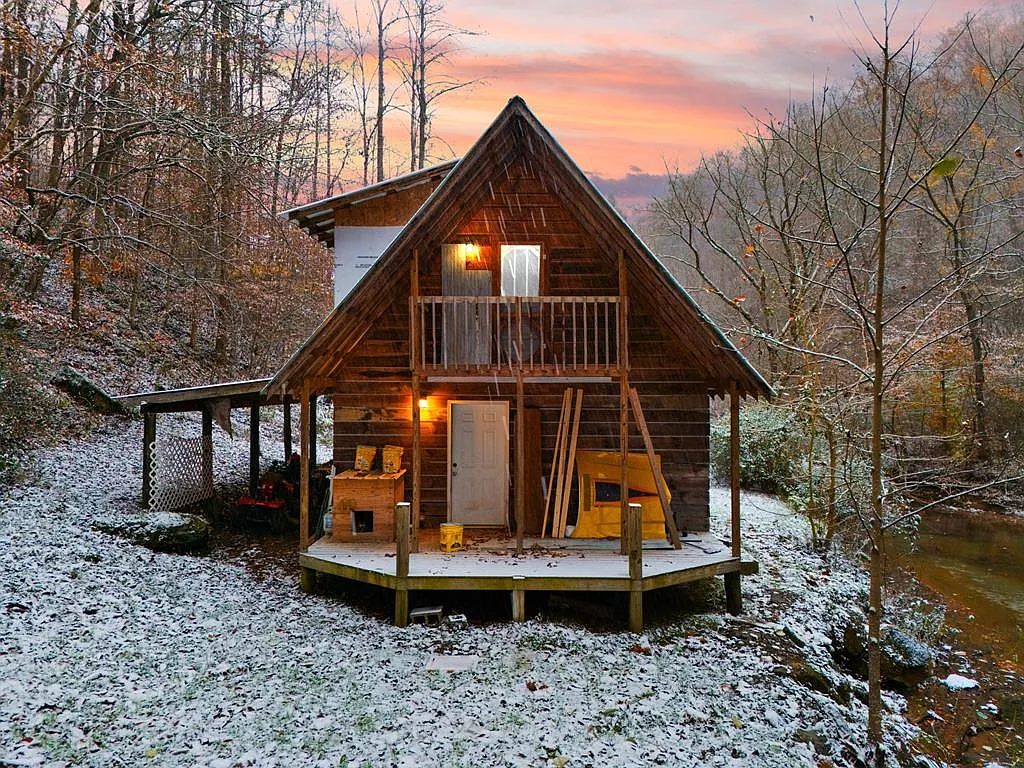
Built in 2015, the cabin features an A-frame design associated with mountain homes and recreational retreats. The steep roofline and wood exterior give the property a rustic appearance that may suit its wooded surroundings.
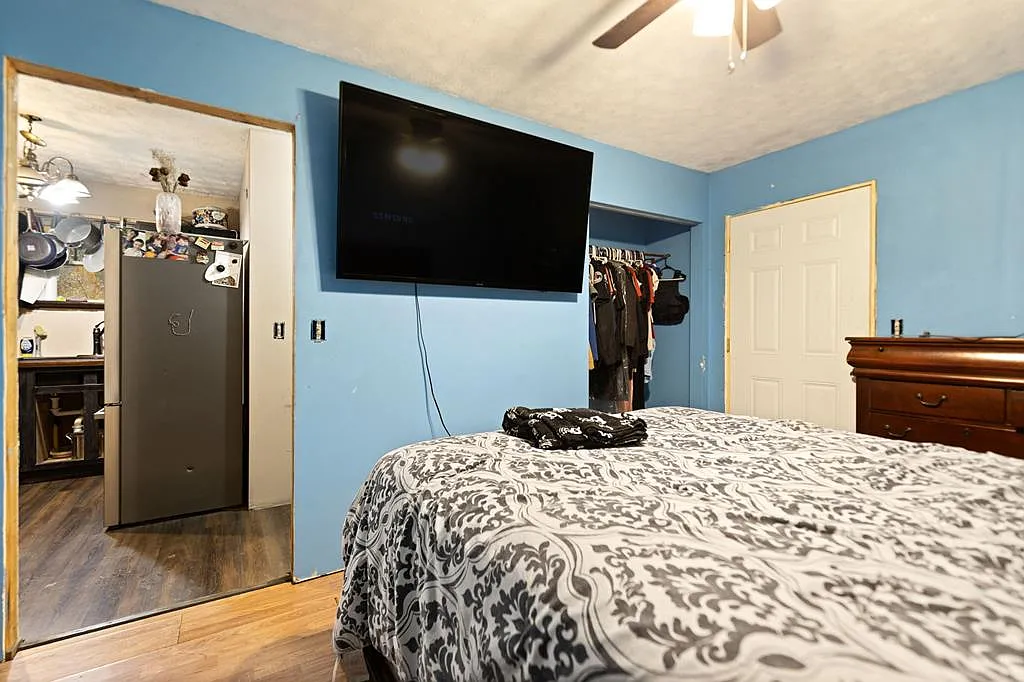
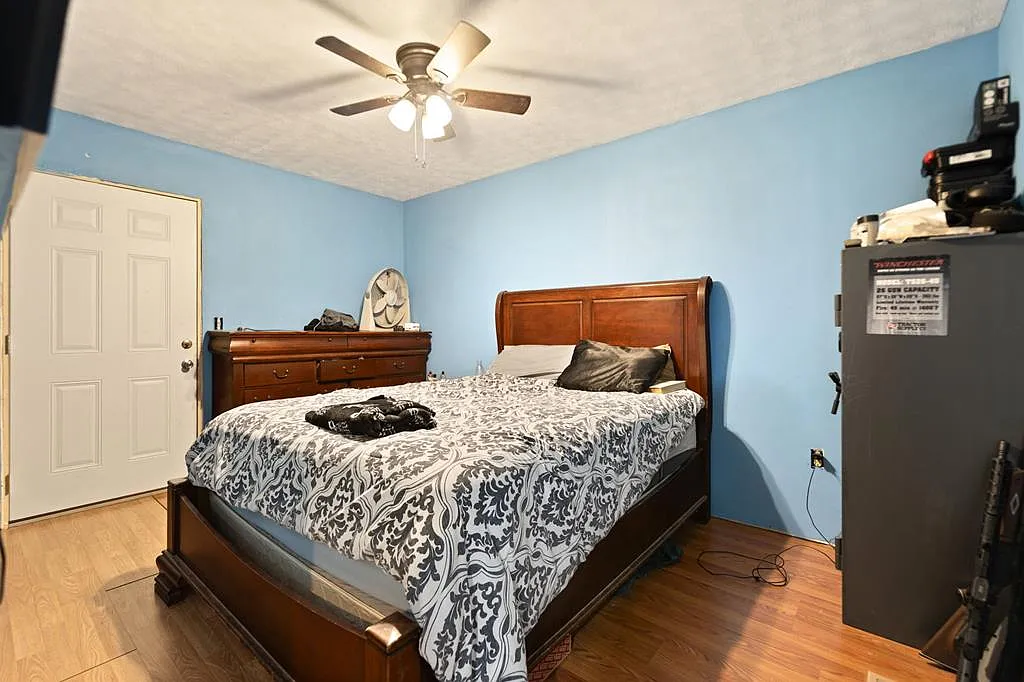
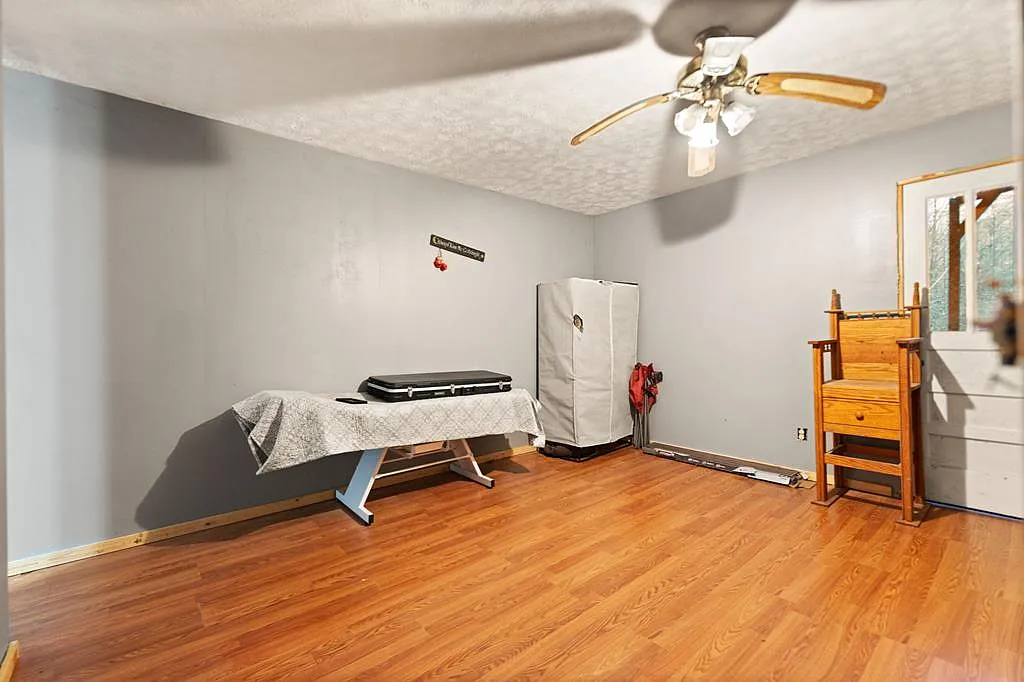
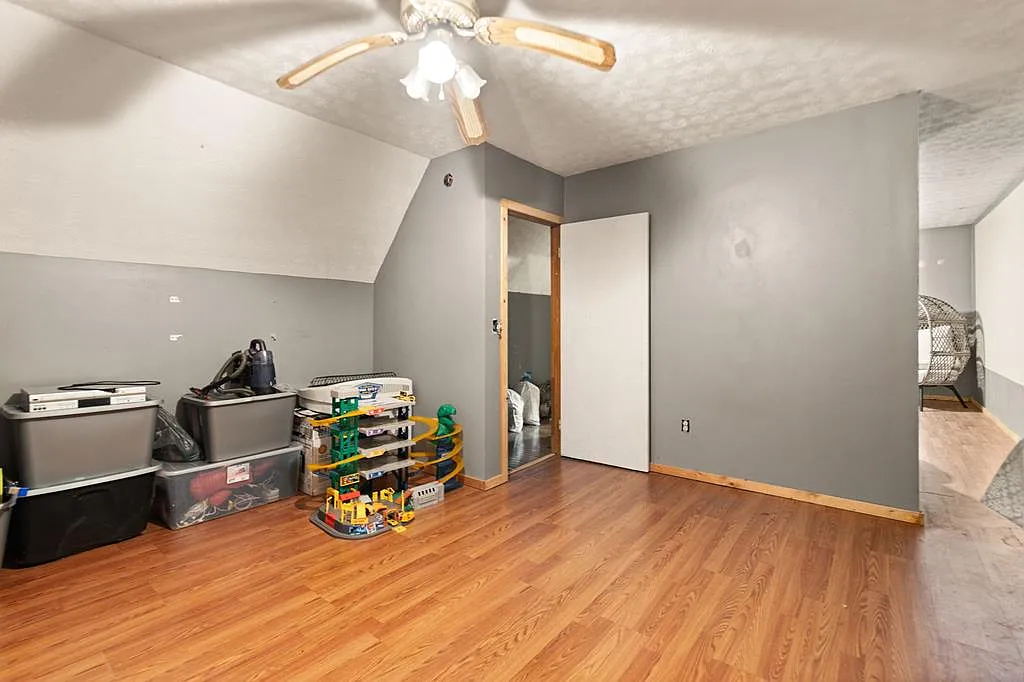
The supplied information describes approximately 1,000 square feet of living space, with three bedrooms and one bathroom. The layout may offer flexibility for a small family or guests, although buyers should confirm the room configuration, measured living area, and legal bedroom status.
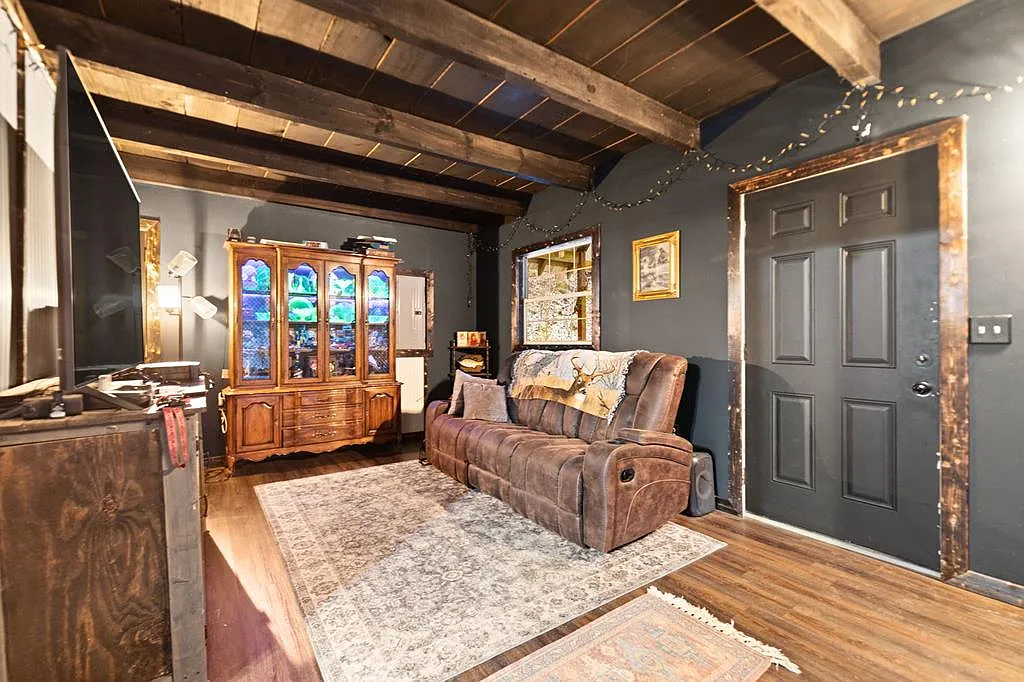
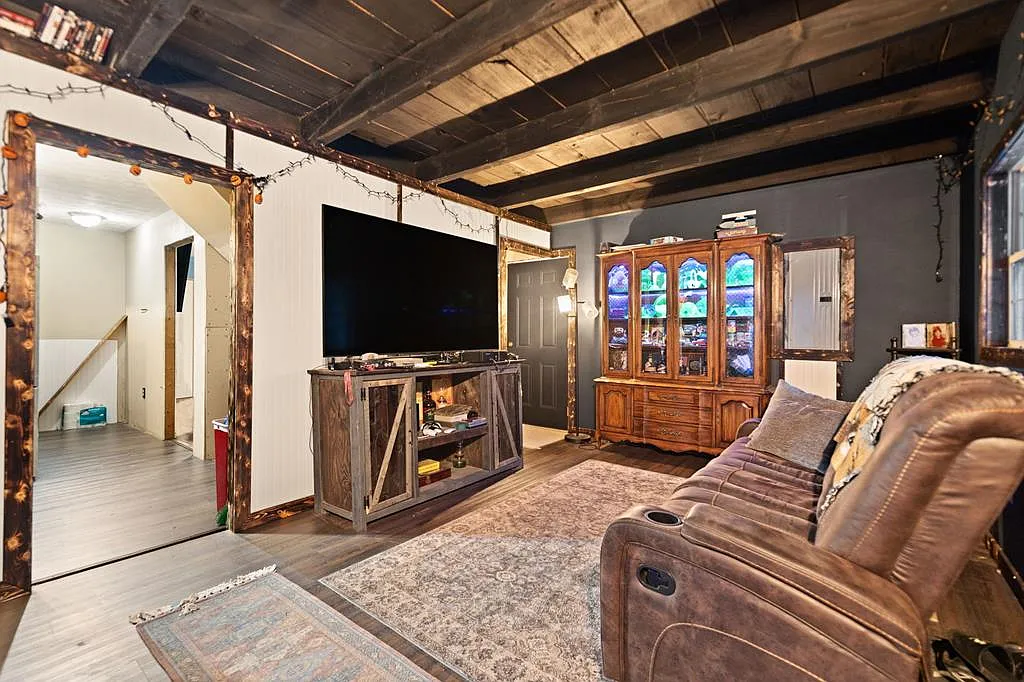
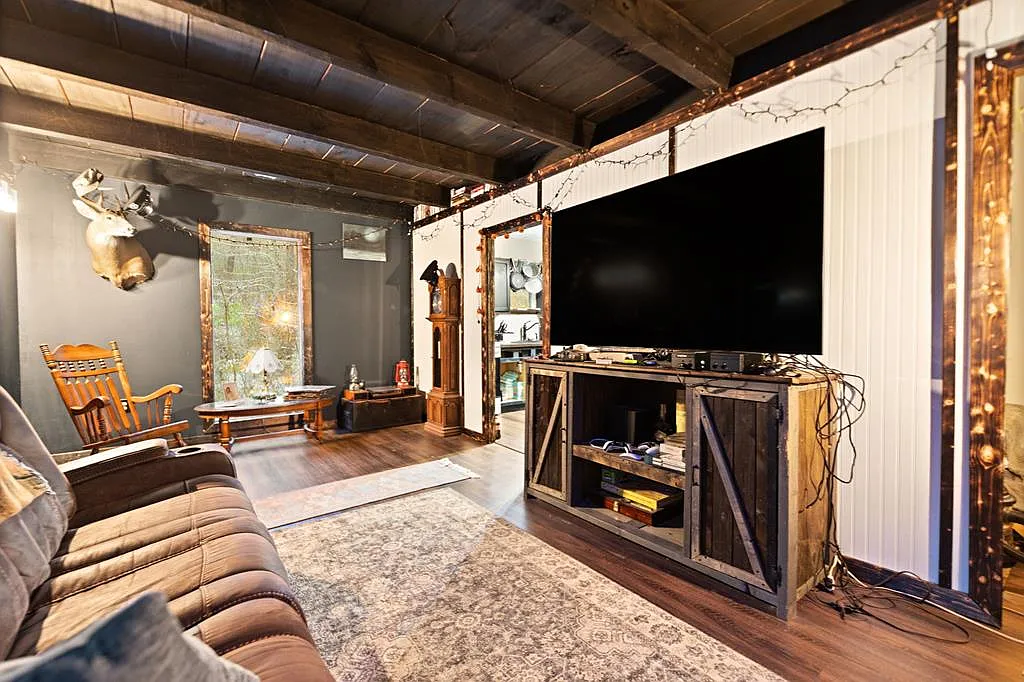
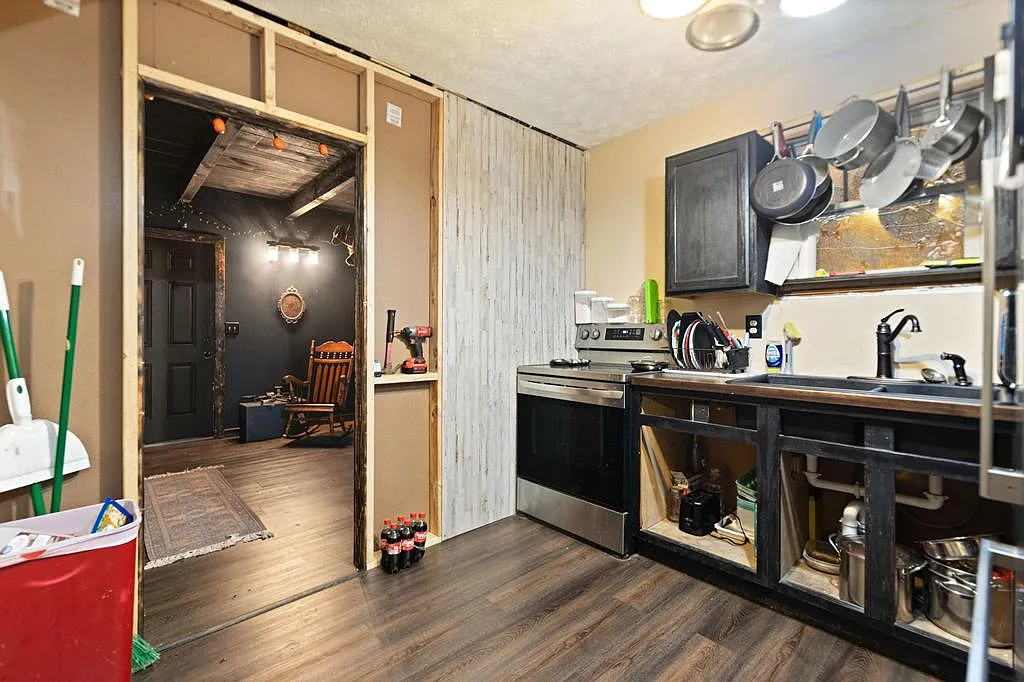
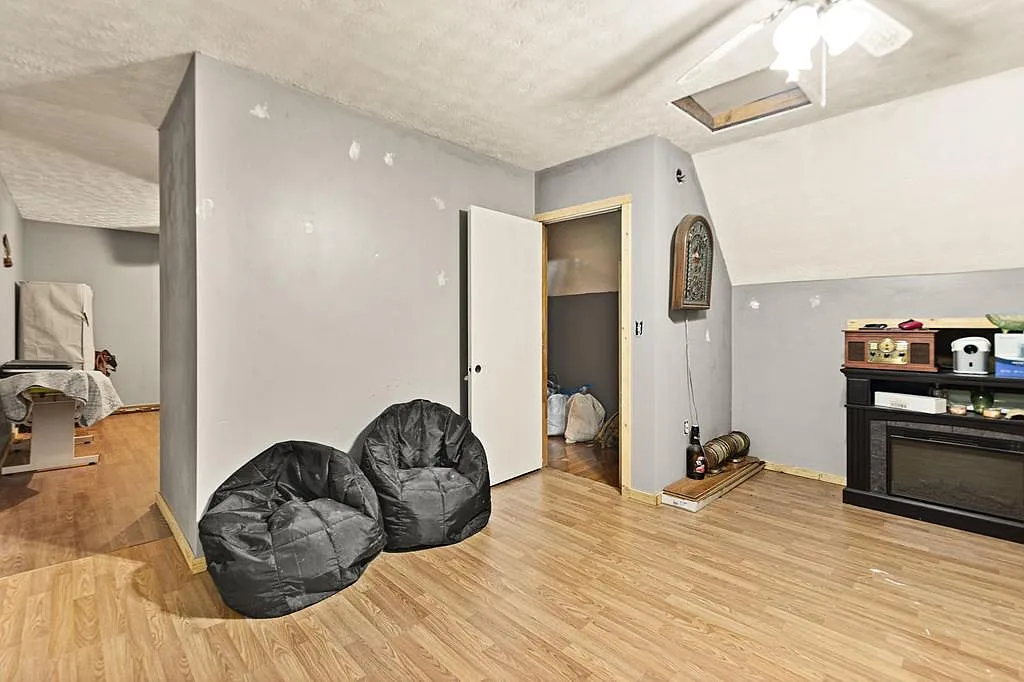
The property reportedly includes vinyl flooring, double-pane windows, ceiling fans, and access to the crawl space. These features should be inspected to determine their current condition and whether any maintenance or upgrades are necessary.
The crawl space deserves particular attention. Buyers should look for signs of moisture intrusion, inadequate ventilation, standing water, damaged insulation, pest activity, and deterioration of structural components. The plumbing and electrical systems beneath the house should also be examined by qualified professionals.
A metal roof can be a practical feature in a rural setting, but its age, installation quality, flashing, and overall condition still matter. The same applies to the wood siding, which may need cleaning, sealing, staining, or repairs over time.
Although the cabin was built in 2015, its construction date alone does not guarantee that it is maintenance-free. A professional inspection can help establish whether the structure is ready for immediate use or requires work.
The Creek-Crossing Driveway: A Distinctive Feature With Practical Risks
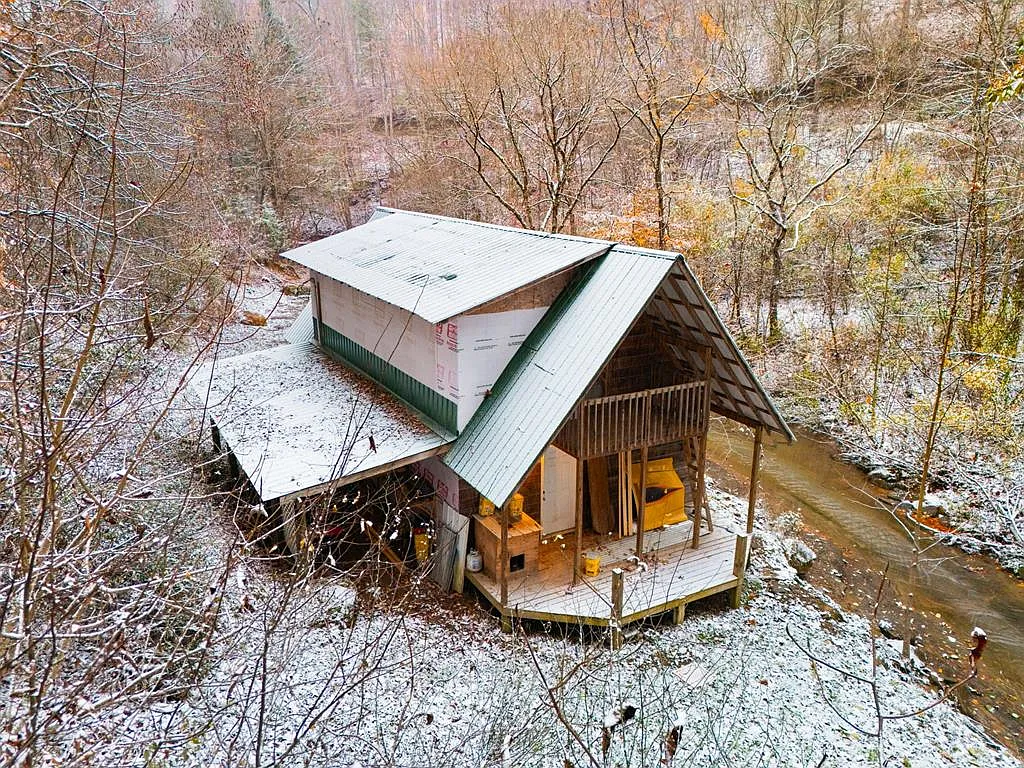
The driveway reportedly crosses a small creek before reaching the cabin. This creates a distinctive entrance and reinforces the property’s mountain setting, but it is also one of the most important features to investigate.
Water levels in small streams can change rapidly during heavy rainfall. A crossing that is easy to use during dry weather may become difficult or unsafe when the water rises, debris accumulates, or the streambed becomes unstable.
Before purchasing, buyers should inspect the crossing under different conditions if possible and ask about its history during storms. They should determine whether the driveway remains passable during seasonal high water and whether emergency vehicles can reach the property.
The crossing should not automatically be assumed to require a bridge or other major improvement. Its actual condition and the applicable requirements need to be established first. If upgrades are necessary, a qualified contractor or engineer can assess whether a culvert, reinforced ford, bridge, drainage work, or another solution is appropriate.
Any alteration involving the creek may require permits or approvals. Buyers should consult the relevant local and state authorities before assuming that a concrete crossing, culvert, or other structure can be installed.
A practical access plan should also account for routine gravel maintenance, erosion control, and the cost of keeping the approach usable after heavy rainfall. These expenses belong in the ownership budget alongside ordinary cabin maintenance.
Modern Utilities in a Rural Setting
One of the property’s notable advantages is the reported availability of several conventional utilities. Public water, grid electricity, a private septic system, and high-speed internet can make a rural cabin more convenient than a property that relies entirely on off-grid systems.
Public water
The reported public water connection may eliminate the need to drill and maintain a private well. Buyers should confirm that the service is active, establish any connection or account fees, and test water pressure at the fixtures.
Electricity
Grid electricity is reported to be connected. An inspection should establish the condition and capacity of the electrical panel, wiring, outlets, and any outdoor connections. Buyers who plan to install additional heating equipment, a hot tub, or other substantial electrical loads should confirm that the existing system can accommodate them safely.
Private septic system
The property reportedly has a private septic tank. Its age, capacity, maintenance history, and condition should be verified before relying on it for a three-bedroom home or any rental operation.
A qualified septic professional can inspect the tank and related components and determine whether the system appears suitable for the intended occupancy. Buyers should also confirm any relevant county records or permits.
High-speed internet
Internet access may be useful for remote work, streaming, and managing a property from a distance. However, the exact provider, available speeds, reliability, and monthly subscription costs should be confirmed directly with the service provider.
Taken together, these reported services may reduce some of the challenges associated with rural ownership. Their value ultimately depends on whether they are operational, appropriately sized, and affordable to maintain.
Price History: From $180,000 to $140,000
The supplied listing history indicates that the cabin first entered the market on November 12, 2025, at $180,000. The asking price was reduced to $160,000 on December 30, 2025, before the listing was removed on April 30, 2026, and reportedly reintroduced on May 4 at the same price.
On July 29, 2026, the asking price was reduced by another $20,000 to $140,000.
| Listing milestone | Reported asking price |
|---|---|
| November 12, 2025 — Initial listing | $180,000 |
| December 30, 2025 — First reduction | $160,000 |
| May 4, 2026 — Relisted | $160,000 |
| July 29, 2026 — Latest reduction | $140,000 |
Based on those figures, the total reduction from the original asking price is $40,000, or approximately 22.2%.
A series of reductions can indicate that a seller is adjusting expectations in response to buyer interest, market conditions, or other circumstances. However, price history alone does not reveal the seller’s motivation or establish that the current price is below market value.
For buyers, the lower asking price provides a useful starting point for negotiations and comparisons. It should be considered alongside recent comparable sales, the property’s condition, insurance availability, and any expenses associated with the creek crossing or other infrastructure.
Is the Cabin a Potential Short-Term Rental?
The cabin’s three-bedroom layout, wooded setting, A-frame design, covered porch, and creek-crossing entrance could make it interesting to buyers exploring the vacation-rental market. Its reported internet and conventional utilities may also support guest convenience and remote management.
However, attractive features do not guarantee occupancy, nightly rates, or profitable returns. Before pursuing short-term rentals, buyers should confirm that the intended use is permitted under applicable county rules, determine whether any licenses or taxes apply, and check the requirements of their insurer and any relevant platform.
The creek crossing deserves special consideration for guest safety. Visitors need clear instructions about access, and the owner should establish what happens if heavy rain makes the crossing unsafe or temporarily impassable.
A rental plan should also account for cleaning, repairs, furnishings, supplies, utilities, insurance, platform fees, taxes, and periods when the cabin is vacant. If a hot tub or other amenities are added, the budget should include maintenance, additional electricity, water use, liability considerations, and potential insurance requirements.
Treat revenue projections as scenarios, not promises
The supplied material proposes a potential average daily rate of $165 and an occupancy rate of 48%, equivalent to approximately 175 booked nights per year.
At those assumed figures, gross annual rental revenue would be:
- $165 per night × 175 nights = $28,875 in annual gross revenue.
That is a hypothetical revenue scenario, not verified local rental performance. Actual results could be materially lower or higher depending on local demand, seasonality, competition, guest reviews, marketing, and the property’s permitted use.
The original projection also estimates $9,600 in annual operating expenses and $19,275 in net operating income. Those figures should not be treated as a reliable forecast without supporting evidence. The expense estimate may omit or understate some combination of repairs, replacement reserves, management, lodging taxes, owner labor, insurance changes, and other costs.
A more complete financial model should use verified local rental comparisons and realistic operating assumptions before a buyer commits to renovations or financing.
Potential Improvements and Renovation Priorities
The cabin may benefit from targeted improvements, but the best order of work depends on its current condition and the owner’s intended use.
Heating and cooling
The supplied information identifies a space heater and window air-conditioning unit. A ductless heat pump could provide more integrated heating and cooling, but a qualified installer should assess the building’s layout, insulation, electrical capacity, and heating requirements before estimating costs.
Creek crossing and driveway
Access improvements could be worth considering if inspections identify safety or reliability issues. Any work should be designed around actual stream conditions and completed with the necessary approvals. The owner should avoid assuming that a particular crossing design will be permitted or suitable without professional evaluation.
Interior furnishings
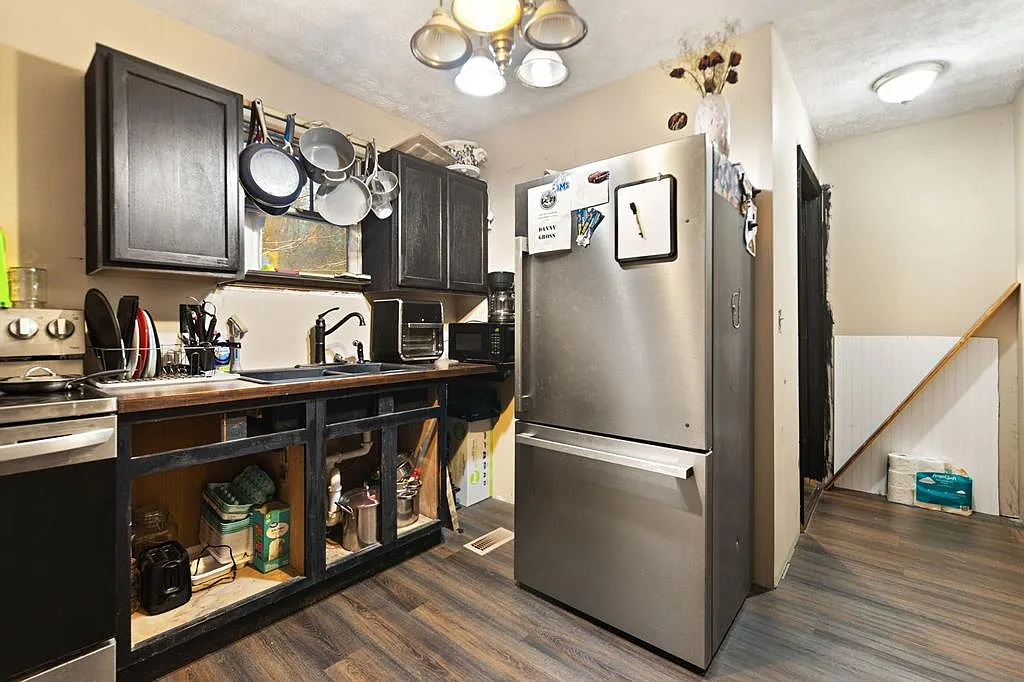
If the cabin will be used as a second home or rental, furnishing the bedrooms and living areas may improve comfort and functionality. Buyers should first establish the legal occupancy limit, the condition of the kitchen and bathroom, and any safety improvements that may be required.
Exterior maintenance
Wood siding may require periodic staining or sealing, particularly in a damp or heavily wooded environment. The roof, porch, drainage, and foundation area should also be checked for maintenance needs.
Hot tub or additional amenities
A hot tub may appeal to some vacation-rental guests, but it is an optional investment rather than a guaranteed revenue driver. Buyers should consider installation requirements, structural support, electrical service, maintenance, liability, insurance, and the availability of a suitable location.
The supplied renovation estimates total approximately $25,300 to $38,800. These should be treated as preliminary planning figures rather than contractor quotes. Actual costs may differ depending on local labor rates, equipment specifications, site access, permits, and any unexpected repairs.
Purchase Price and Total Investment Budget
At the current reported asking price of $140,000, the purchase is only one component of the total budget.
If a buyer spent an additional $25,300 to $38,800 on the proposed improvements, the combined purchase-and-renovation cost would be approximately $165,300 to $178,800 before closing costs, financing expenses, and any work not included in the estimate.
That calculation assumes the entire stated renovation budget is spent. It does not establish the property’s future market value or guarantee that the improvements will be recovered on resale.
Buyers should also account for property taxes, insurance, electricity, water, internet, septic maintenance, repairs, and driveway upkeep. The creek crossing may create additional maintenance or insurance considerations that should be discussed with relevant professionals.
For a financed purchase, the original material estimates a loan of $112,000 with 20% down and an interest rate of 6.75%. A 30-year principal-and-interest payment on those terms would be approximately $727 per month, assuming the loan is approved and the rate and term are available. Actual financing terms, closing costs, and monthly payments may differ.
The property tax figure also needs confirmation. The supplied information includes an estimate of $650 to $950 annually, but the current bill and any reassessment following a sale should be verified with the relevant county office.
Rather than relying on a single headline figure for monthly ownership costs, buyers should prepare a complete budget based on actual insurance quotes, utility bills, taxes, financing terms, and expected maintenance.
Long-Term Rental or Personal Mountain Retreat
Short-term rentals are not the only possible use for the cabin.
A long-term rental could offer a different management model, with fewer guest turnovers but potentially lower monthly revenue. The supplied estimate of $800 to $1,000 per month has not been independently verified and should be tested against current local rental listings, comparable properties, and actual tenant demand.
Any long-term rental analysis should include vacancy, repairs, insurance, taxes, maintenance, and the cost of managing the property. Buyers should also verify local landlord requirements and whether the cabin meets applicable safety and occupancy standards.
Alternatively, the property could serve primarily as a personal mountain retreat. A buyer who intends to use the cabin for weekends or seasonal stays may place more importance on privacy, road access, internet connectivity, and the condition of the living space than on rental yield.
For either strategy, the creek crossing and the one-bathroom layout are practical considerations. They may be perfectly acceptable for some households and guests, while others may prefer easier access or additional bathroom capacity.
Due Diligence Before Buying
Before making an offer, prospective buyers should investigate the following:
- Creek crossing: Assess water levels, erosion, drainage, vehicle access, and safety during heavy rainfall.
- Driveway rights and maintenance: Confirm ownership and maintenance responsibilities for the private access route and any related easements.
- Cabin inspection: Check the roof, siding, foundation, crawl space, plumbing, electrical system, windows, and signs of moisture or pests.
- Septic system: Verify permits, tank condition, capacity, maintenance records, and suitability for the intended occupancy.
- Public water: Confirm active service, water pressure, connection details, and any ongoing fees.
- Internet: Check the provider, available speeds, reliability, and subscription costs.
- Insurance: Obtain quotes that specifically account for the creek crossing, rural location, heating equipment, and intended rental use if applicable.
- Zoning and rental rules: Confirm whether short-term or long-term rental use is allowed and identify any permits, licenses, or tax obligations.
- Property boundaries: Verify the acreage, survey information, driveway location, and any easements.
- Renovation estimates: Obtain written quotes before relying on the proposed improvement budget.
- Comparable sales and rental data: Use recent, genuinely comparable properties rather than unsupported regional averages.
- Ongoing expenses: Confirm taxes and budget for maintenance, utilities, insurance, septic servicing, and driveway repairs.
These checks can help determine whether the property fits the buyer’s intended use and whether its overall cost is manageable.
Final Thoughts
The A-frame cabin at 140 Kenneth & Earl Drive in Clayhole, Kentucky, is reported to be listed for $140,000 after a $40,000 reduction from its original asking price. The 2015-built, three-bedroom, one-bathroom cabin sits on approximately 1.9 wooded acres and reportedly has public water, grid electricity, a private septic system, and high-speed internet.
Its creek-crossing entrance gives the property a distinctive mountain character, while the existing utilities may make it more convenient than a completely undeveloped rural site. Those features could interest second-home buyers, outdoor enthusiasts, and investors exploring rental possibilities.
The main considerations are the safety and reliability of the creek crossing, the condition of the cabin and septic system, the true cost of any planned upgrades, and the feasibility of the intended rental or residential use. The proposed income and return figures should be treated as hypothetical until supported by local market data and a complete expense model.
For buyers considering the property, a professional inspection, verified access information, written insurance quotes, and realistic renovation estimates are more useful than relying on the price reduction alone to determine whether it represents a good purchase.
Disclaimer: This article is based on the supplied property information and does not constitute an independent inspection, appraisal, rental-income forecast, or investment recommendation. Buyers should verify listing details, comparable sales, zoning, rental requirements, access conditions, insurance availability, and all operating costs with qualified local professionals before purchasing.
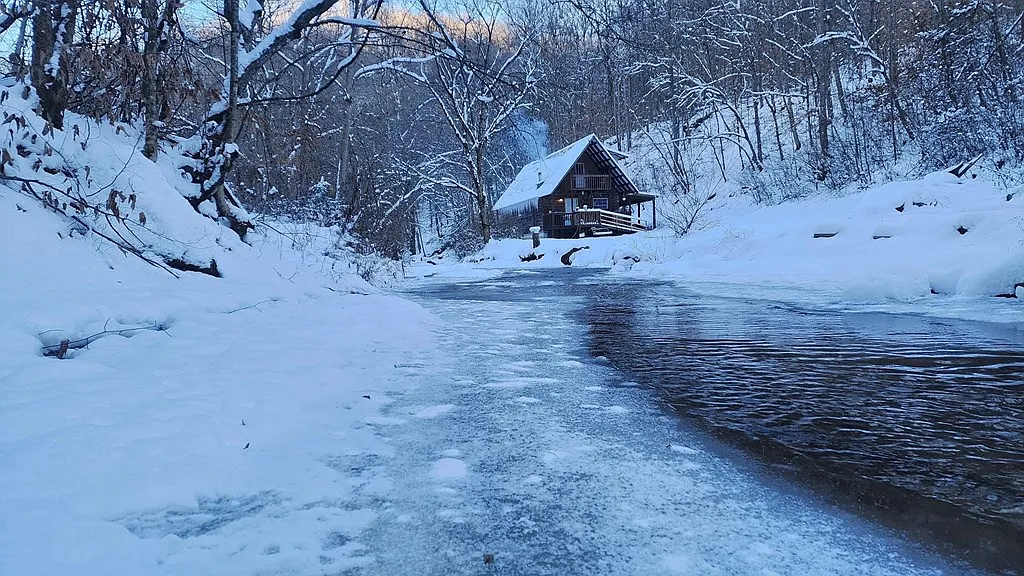
Listed on Zillow