Michigan U.P. Riverfront Retreat: 20 Wooded Acres, Off-Grid Cabin and Access to CFA Forest Land

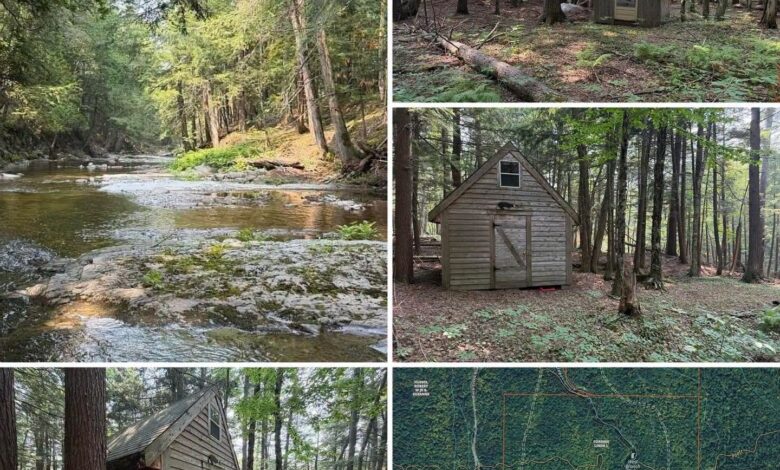
20 Acres of Michigan Riverfront Land Listed for $89,900 With a Rustic Off-Grid Cabin
A wooded riverfront property in Michigan’s Upper Peninsula is being offered for $89,900, presenting an opportunity for buyers seeking a private recreational retreat near fishing waters and extensive forestland. Located off Black Creek Road near Skanee in Baraga County, the approximately 20-acre parcel reportedly includes around 630 feet of frontage along the West Branch of the Huron River.
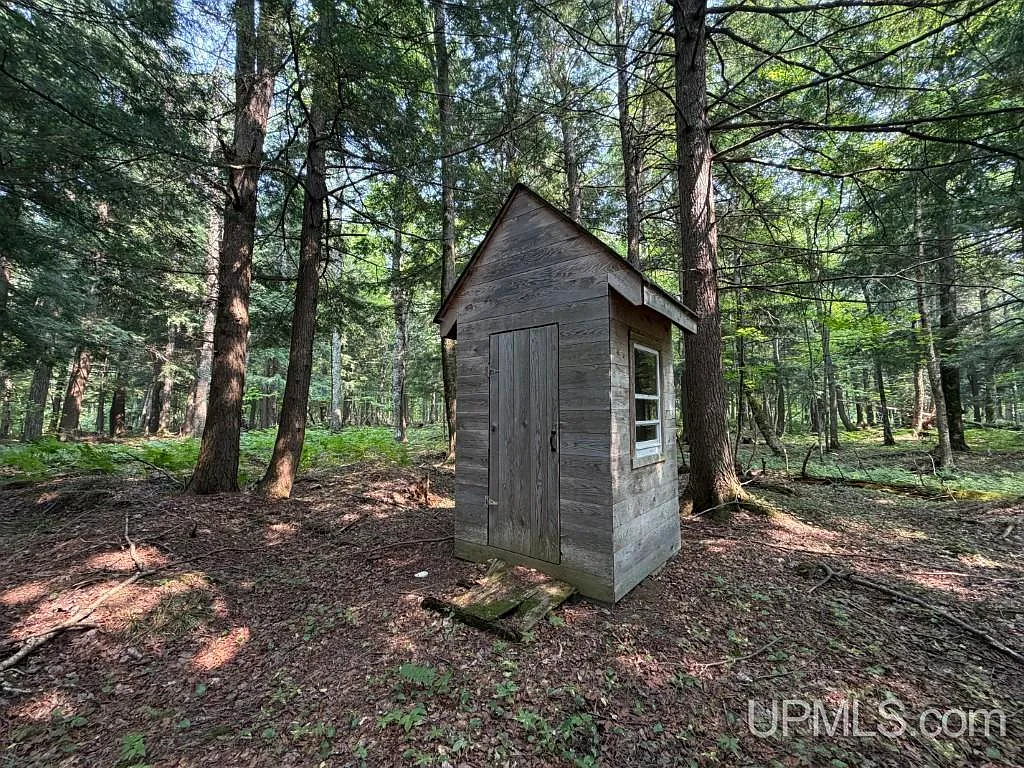
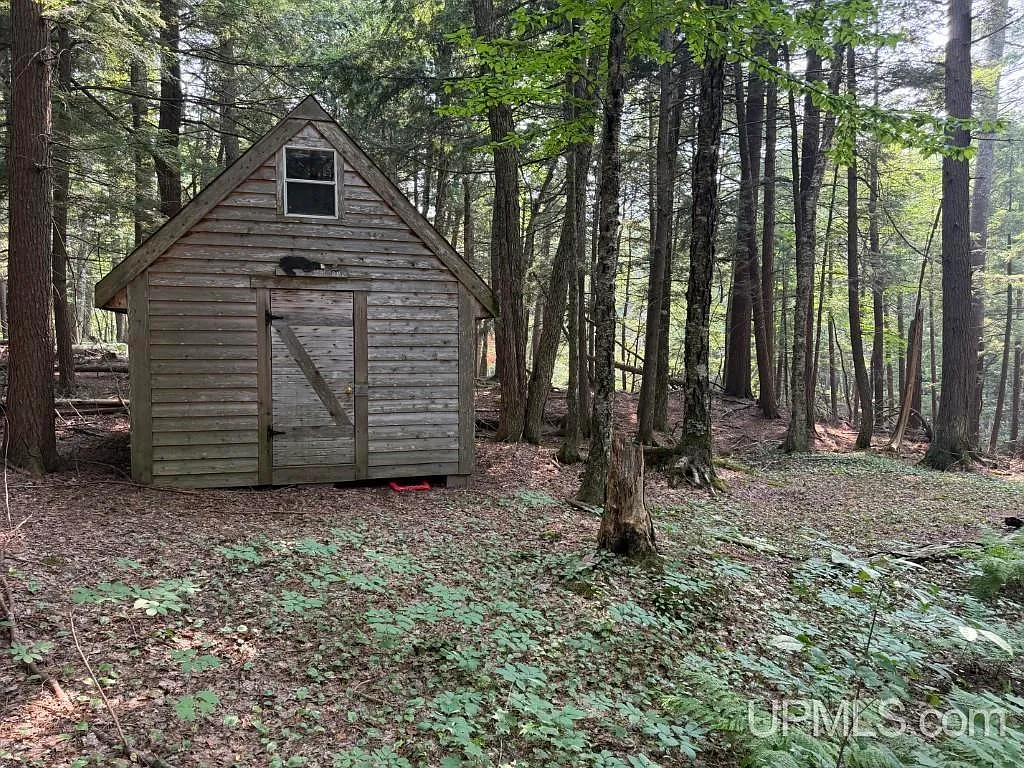
The property features mature forest, an existing rustic cabin with propane-powered amenities, an outhouse, and a separate storage shed. It also borders land enrolled in Michigan’s Commercial Forest program, which may provide additional opportunities for permitted outdoor recreation. However, buyers should confirm the rules governing public access to those neighboring lands.
One important consideration is that the property does not currently have a constructed road connecting Black Creek Road to the parcel. Although a recorded easement is reported to provide access rights, buyers will need to investigate the legal documents, physical conditions, and cost of building a usable driveway before determining the property’s overall value.
Listed at $89,900, the land works out to approximately $4,495 per acre based on the advertised 20 acres. Its river frontage and existing cabin may appeal to outdoor enthusiasts, but the access requirements and off-grid infrastructure deserve careful evaluation.
Property Overview and Listing Details
The property is located in Arvon Township in Michigan’s Upper Peninsula, an area known for its forested landscapes, rivers, and outdoor recreation opportunities.
- Location: Black Creek Road, Skanee, Michigan 49962
- County: Baraga County
- Township: Arvon Township
- Parcel number provided: 00101000130
- Asking price: $89,900
- Advertised acreage: Approximately 20 acres
- Calculated price per acre: Approximately $4,495
- Reported dimensions: Approximately 660 by 1,350 feet
- River frontage: Approximately 630 feet along the West Branch of the Huron River
- Zoning reported in the listing: Forest Resource
- Existing improvements: Rustic cabin, sleeping loft, outhouse, and storage shed
- Cabin amenities: Propane lights, propane oven or stove, and propane heater
- Electricity and water: No grid electricity or installed well reported
- Access: Recorded 33-foot-wide non-exclusive ingress, egress, and utility easement; road construction required
- Annual property taxes: Approximately $413, as reported
- Homeowners association: No HOA or monthly association fees reported
- Financing listed: Cash or conventional mortgage
- Listing date: August 28, 2026
At the asking price, the property costs approximately $4,495 per acre. This figure is a simple calculation, not an independent appraisal or proof that the land is priced below comparable riverfront properties.
The most significant factors affecting the property’s practical value include the amount of usable river frontage, the condition and legal status of the cabin, the feasibility of building access, and any restrictions affecting development near the river.
Approximately 630 Feet Along the West Branch of the Huron River
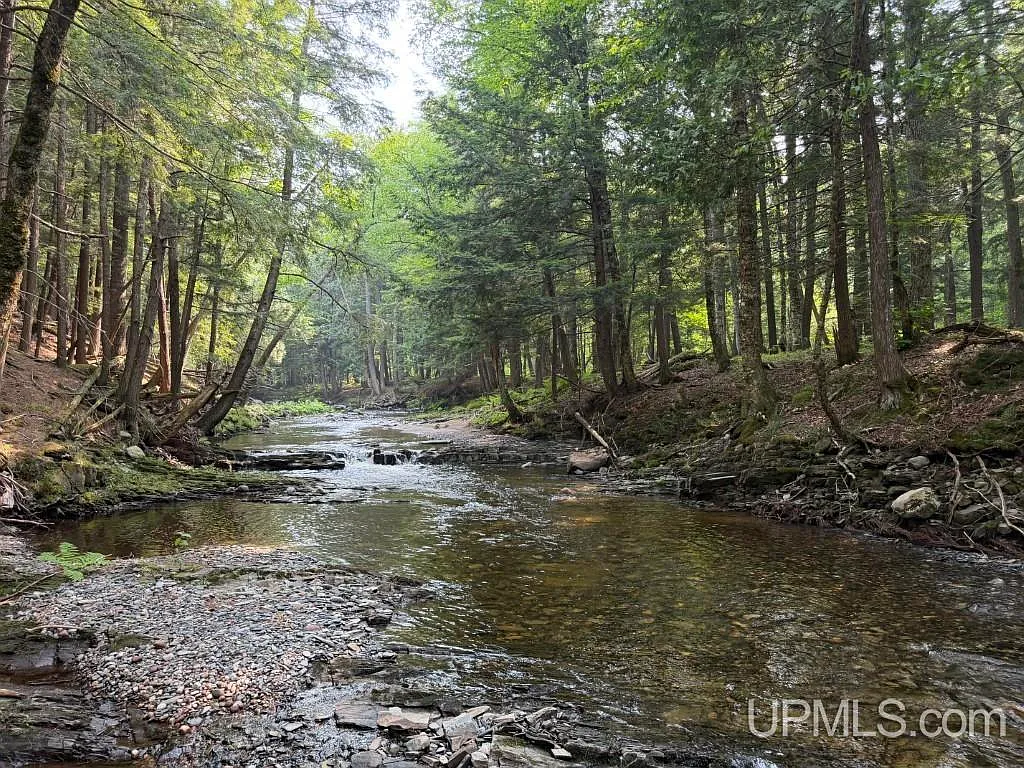
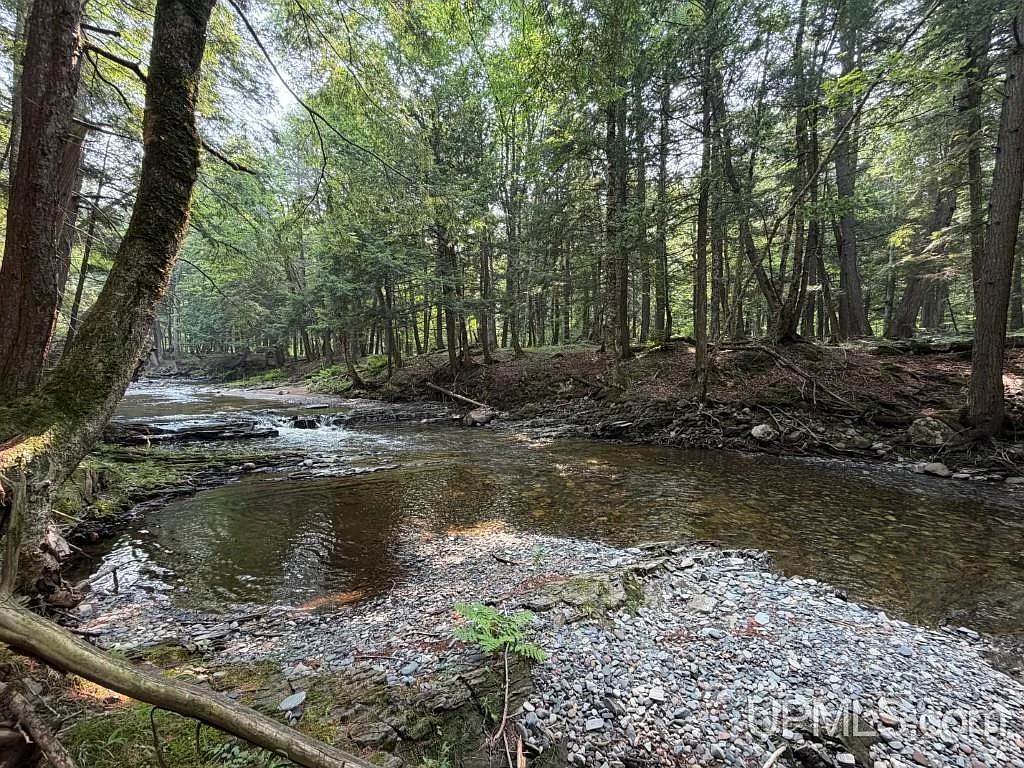
The property’s reported river frontage is one of its principal attractions. The West Branch of the Huron River is associated with cold-water fishing and outdoor recreation in Michigan’s Upper Peninsula.
The listing describes the river as a Class I trout stream and identifies brook, brown, rainbow, and lake trout among the fish associated with the waterway. Buyers should verify the current stream classification and local fishing regulations through the relevant Michigan authorities, as fishing opportunities and regulations can vary by location and season.
Approximately 630 feet of river frontage could provide opportunities to enjoy the water, observe wildlife, and access suitable areas for fishing or wading. The exact usability of the shoreline will depend on its slope, vegetation, water levels, and the location of any wetlands or sensitive areas.
River frontage also comes with responsibilities and potential limitations. Buyers should investigate applicable shoreline protections, flood hazards, erosion, setbacks, and restrictions on clearing vegetation or constructing structures near the water. The listing’s description of the frontage as private does not, by itself, establish exclusive rights to every part of the river or its banks.
For someone seeking a quiet fishing retreat, the combination of wooded acreage and river access may be appealing. However, the property’s actual recreational value will depend on the condition of the shoreline and the legal rights associated with it.
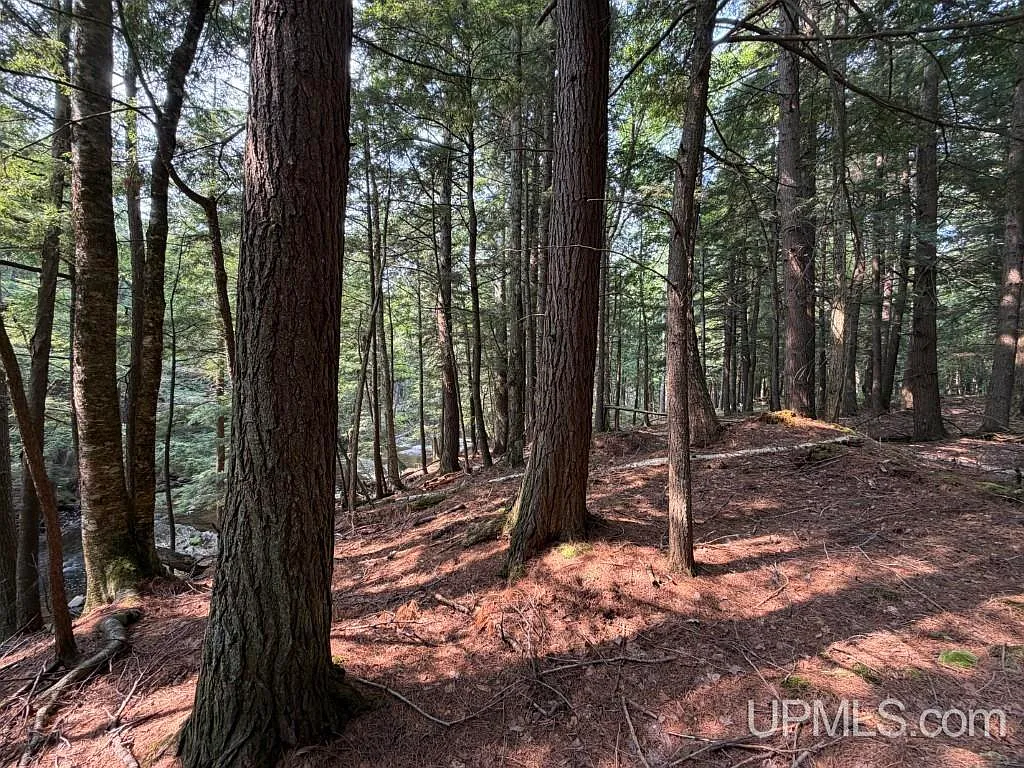
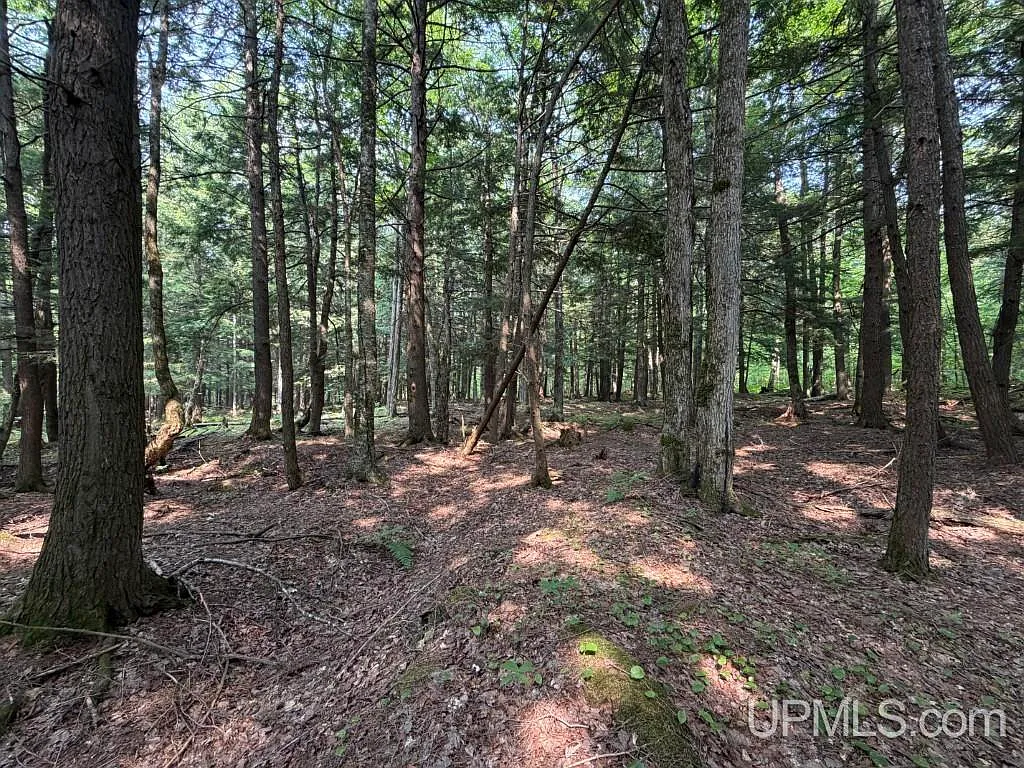
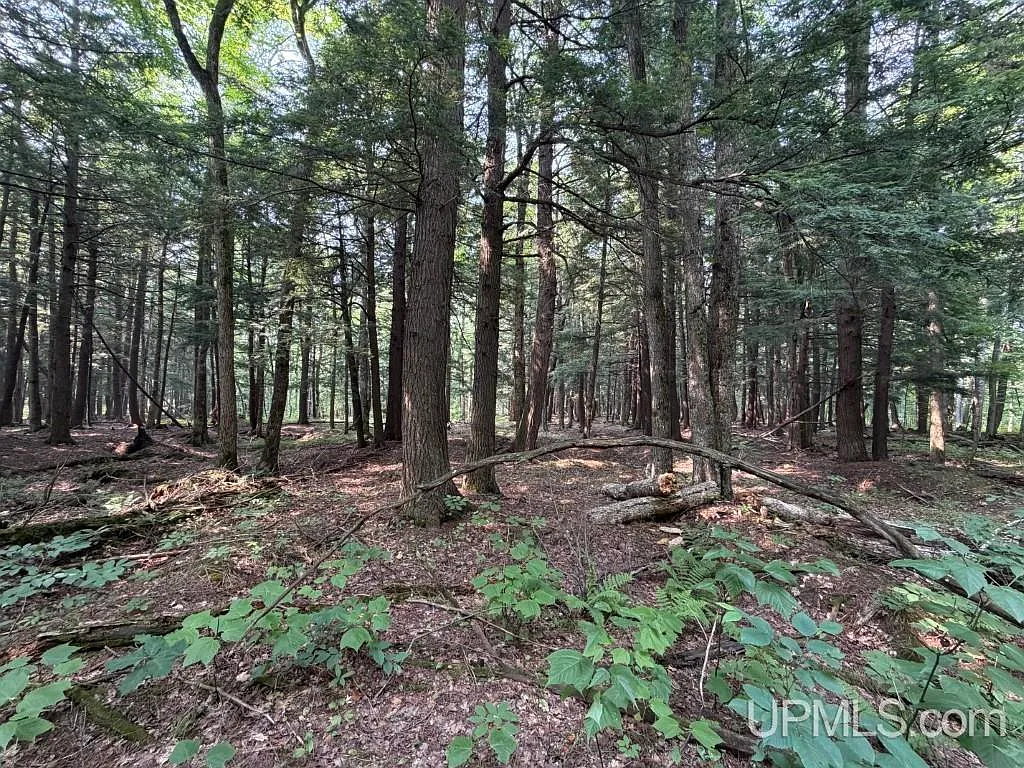
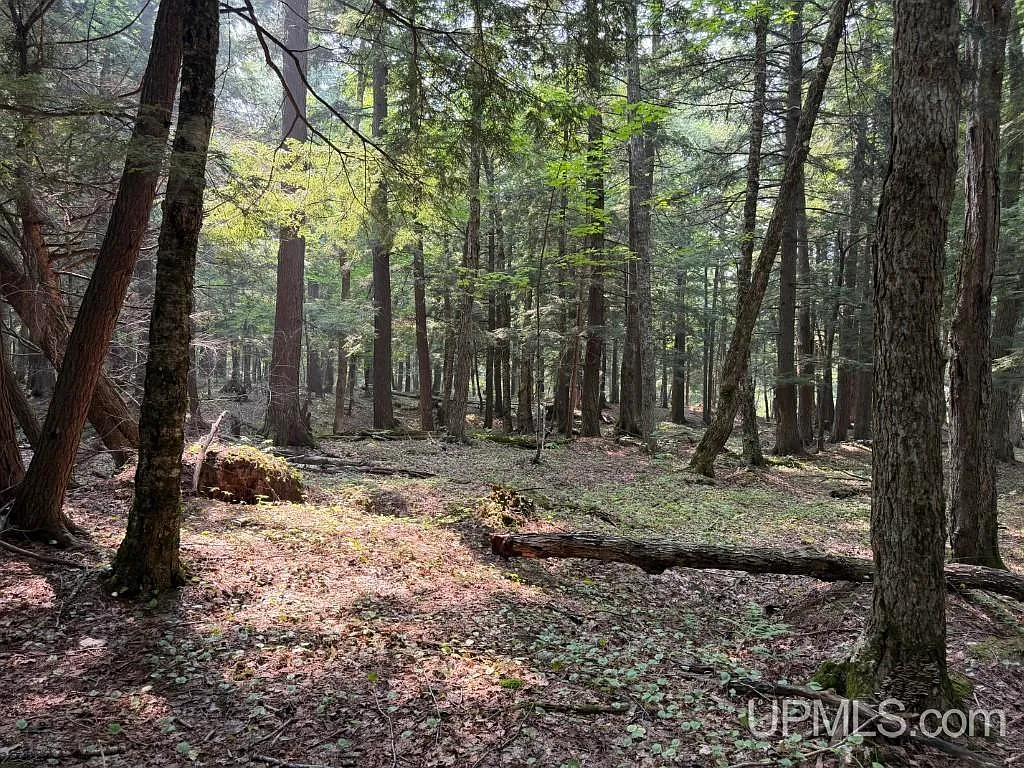
Mature Hemlocks and Northern Hardwood Forest
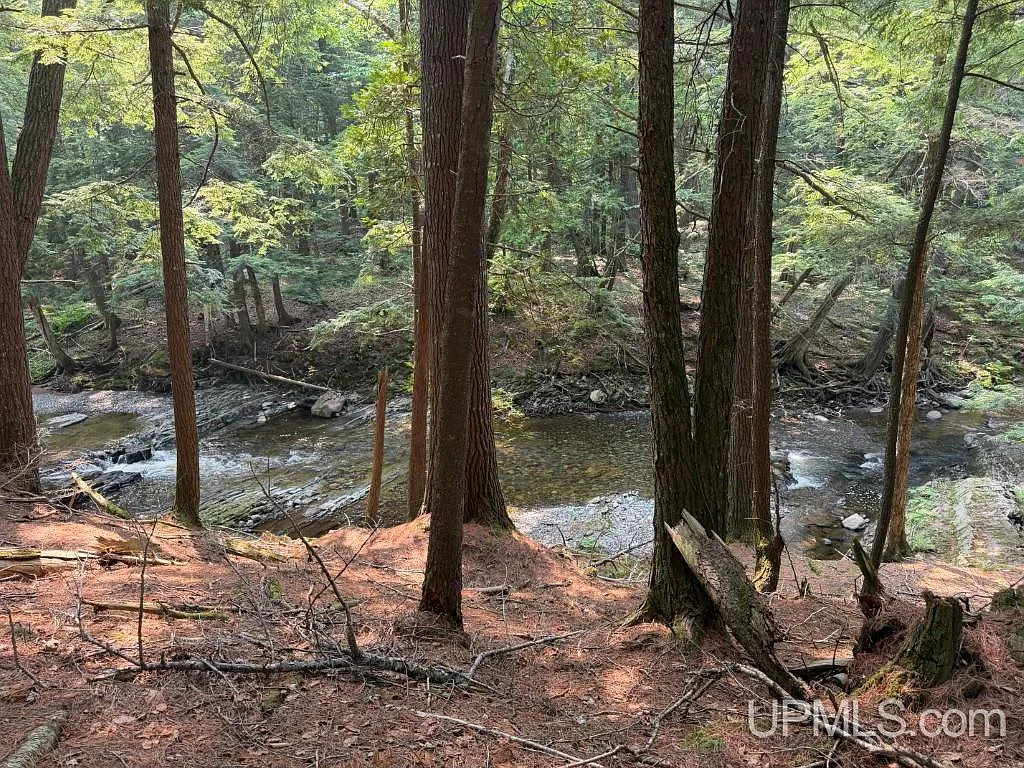
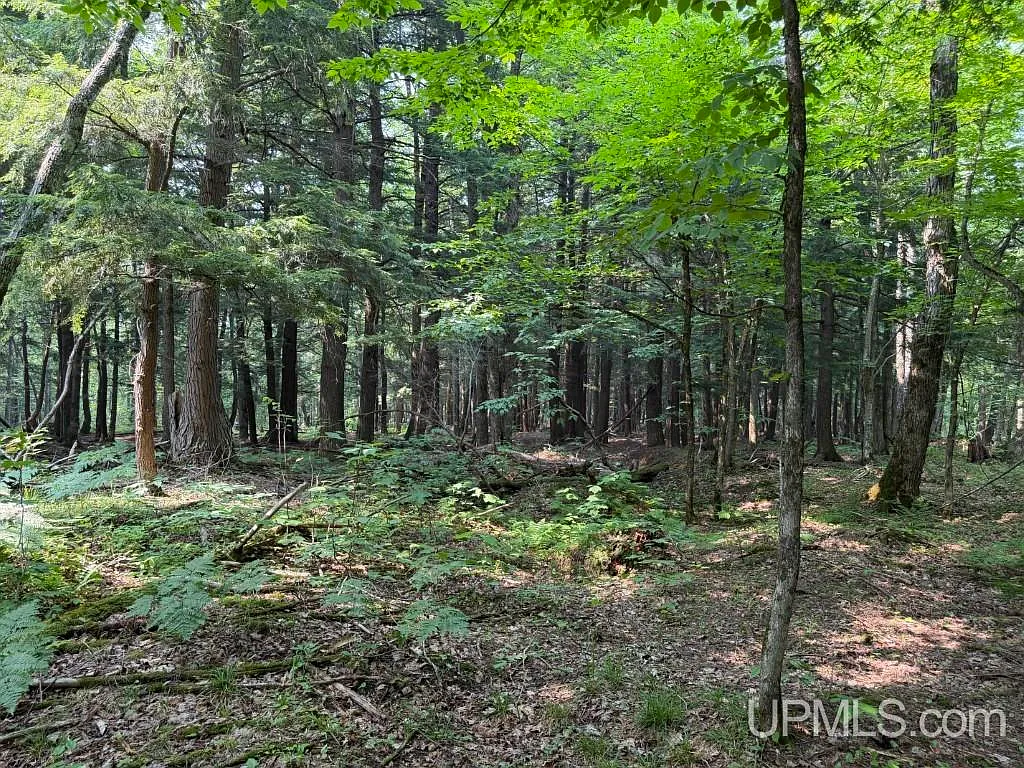
The property is described as having mature hemlocks along the river corridor, with mixed hardwoods across the eastern portion of the acreage. This variation in vegetation can create different woodland settings within a relatively compact tract.
Hemlocks near the water may provide shade and a distinctive forest atmosphere, while hardwoods such as maple and birch can contribute seasonal color and habitat diversity. The actual tree species, ages, density, and timber volume should be confirmed through an on-site inspection.
Wooded acreage may attract buyers interested in wildlife observation, hiking, hunting, or simply maintaining a forested retreat. The listing references wildlife such as white-tailed deer, black bears, grouse, and turkeys, although animal activity on the specific parcel will vary with habitat conditions and surrounding land use.
Buyers should not assume that the timber has a particular commercial value or that trees can be harvested without restrictions. Anyone considering timber sales should consult a qualified forester and review applicable regulations, access requirements, and potential environmental considerations.
The river corridor may also have different management requirements from the higher or drier portions of the property. Before clearing trees or planning improvements, buyers should establish whether any wetlands, protected areas, or shoreline restrictions apply.
Existing Rustic Cabin and Off-Grid Amenities
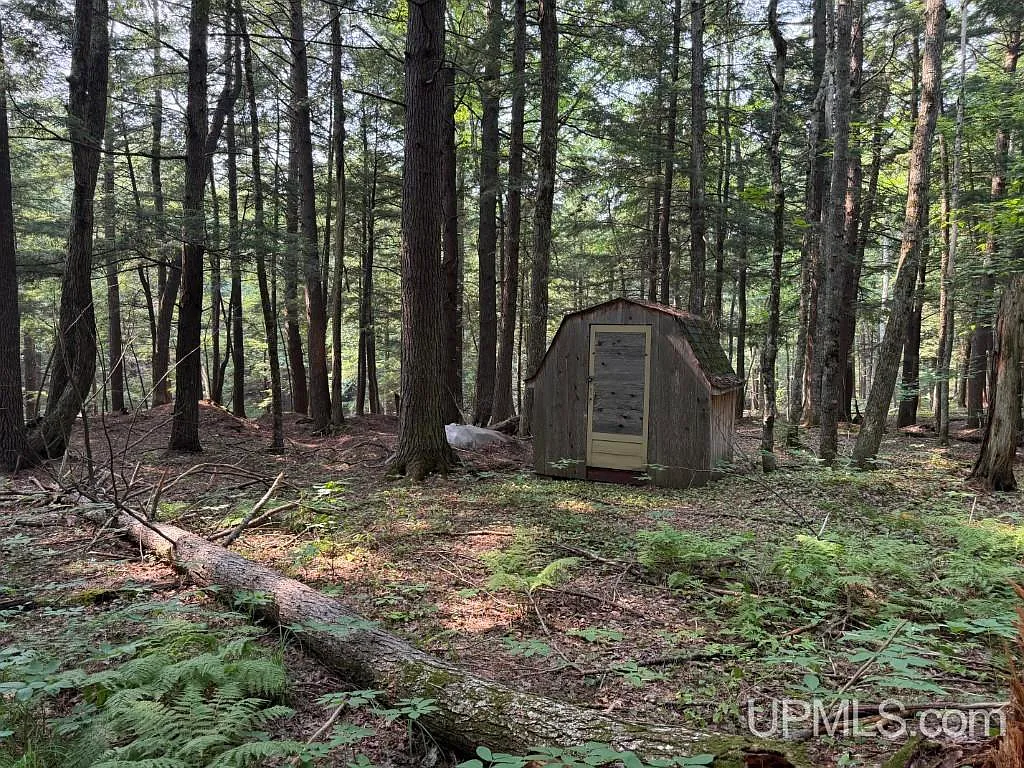
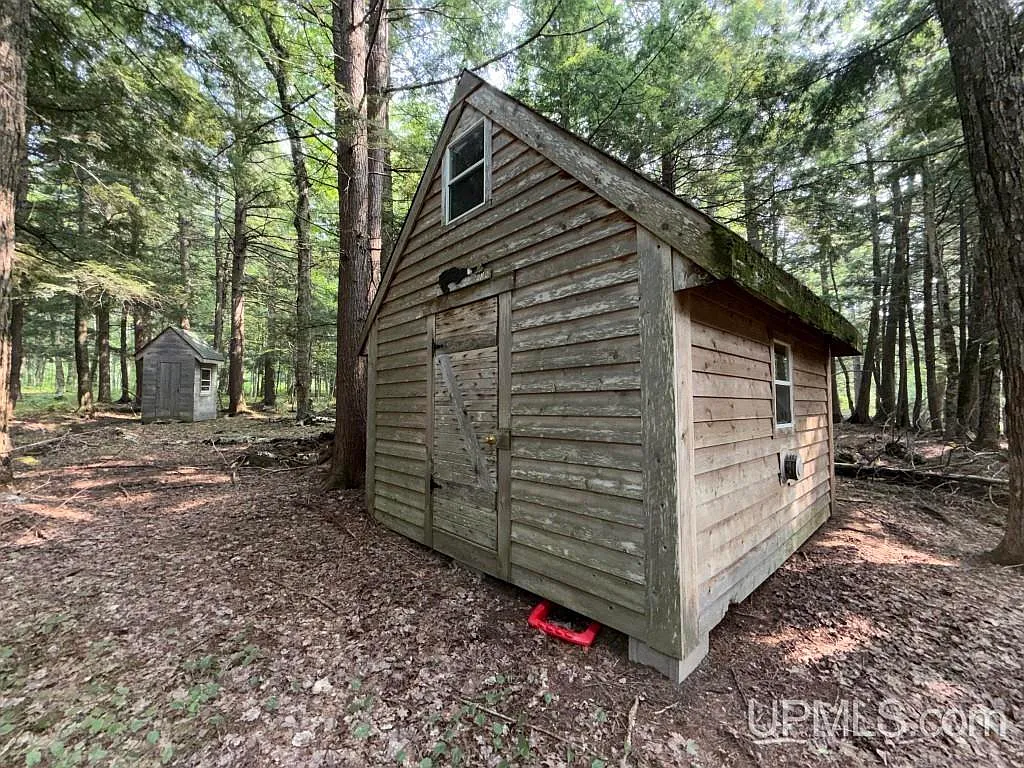
Unlike completely undeveloped acreage, this property reportedly includes a rustic cabin with a sleeping loft and several propane-powered features. The listed amenities include wall-mounted propane lights, a propane oven or cooktop, and a propane space heater.
These features could provide a starting point for a seasonal recreational camp, particularly for buyers who do not require conventional household utilities. However, the listing does not establish the cabin’s square footage, structural condition, permit history, insulation, or suitability for year-round occupancy.
Before relying on the cabin for overnight stays, buyers should inspect the roof, foundation, framing, flooring, windows, and any signs of water damage. Propane appliances and heating equipment should be checked by qualified professionals, with particular attention to ventilation, fuel storage, and carbon monoxide safety.
The property also reportedly includes an outhouse and a separate storage shed. Buyers should verify their condition and whether the existing waste-disposal arrangement complies with applicable local requirements. The storage shed may be useful for equipment or supplies, but its security and weather resistance should also be assessed.
Although these structures may offer practical value, their presence does not eliminate the need for repairs or establish that the property is ready for immediate use. The actual cost of making the cabin safe and functional will depend on the results of an inspection.
The Access Easement: A Major Factor to Investigate
The listing identifies a recorded 33-foot-wide, non-exclusive easement for ingress, egress, and utilities. It reportedly allows the owner to construct and maintain a private roadway within the designated corridor and to install a gate, subject to the recorded terms.
However, there is currently no constructed road extending along the easement from Black Creek Road to the property boundary. This is an important distinction: legal access rights and practical vehicle access are not the same thing.
Before purchasing, buyers should obtain and review the recorded easement document rather than relying only on the listing summary. The review should establish the exact route, the parties entitled to use it, permitted construction activities, maintenance obligations, gate rights, and any limitations on utility installation.
A surveyor may be needed to locate the easement on the ground and confirm its alignment. Buyers should also investigate terrain, tree removal, soil conditions, drainage, and whether any culverts or other improvements would be required.
Potential costs of constructing a driveway
The eventual cost of access construction will depend on the distance, terrain, soil, drainage, and standard of road required. A contractor may need to clear vegetation, prepare the subgrade, install geotextile fabric where appropriate, add gravel, and manage runoff.
A simple gravel entrance on suitable ground can have very different costs from a road that crosses wet or unstable areas. It would therefore be premature to assign a reliable construction budget without a site inspection and contractor estimates.
Prospective buyers should also ask whether permits are needed for the driveway entrance, tree clearing, drainage work, or any culvert installation. The road’s ability to support ordinary vehicles in wet seasons and winter conditions should be considered before the property is treated as an accessible year-round retreat.
The access work may be the largest initial expense beyond the purchase price. Buyers should factor it into their budget before comparing the property with riverfront land that already has a constructed road.
Off-Grid Utilities and Seasonal Use
The listing indicates that the property has no municipal grid electricity or installed well water. Its existing propane equipment offers some basic amenities, but additional infrastructure may be needed depending on how the land will be used.
A seasonal camp might rely on portable power equipment, while a more developed cabin could require solar panels, battery storage, or a generator. The appropriate system will depend on the expected electrical load, the cabin’s condition, and the need to power lighting, refrigeration, communications, or water equipment.
Water supply is another important consideration. Buyers should determine whether a well can be installed, whether rainwater collection is permitted and practical for the intended use, and whether any alternative water source is available. Any drinking water should be treated and tested appropriately.
Wastewater and toilet facilities require separate consideration. An existing outhouse does not establish that a conventional septic system can be installed or that the current arrangement is approved for every intended use. Buyers should consult Baraga County and the appropriate health authorities about sanitation requirements and the feasibility of any proposed system.
For seasonal ownership, winter preparation is also important. Heavy snowfall and changing road conditions can affect access, while frozen temperatures may complicate water storage, plumbing, and the operation of certain equipment. The property’s suitability for winter use will depend on both the cabin and the access route.
Adjoining Commercial Forest Land and Recreational Opportunities
The property reportedly borders thousands of acres of land enrolled in Michigan’s Commercial Forest program. Such neighboring forestland may expand the surrounding area available for certain recreational activities, but buyers should confirm the current program status and access rules before relying on it.
Michigan’s Commercial Forest program is designed to encourage forest management and timber production. Public recreational access may be allowed on enrolled land under applicable rules, but access is subject to restrictions, closures, landowner rights, and current regulations. It should not be described as unrestricted access to all neighboring acreage.
Buyers interested in hunting should review the current state regulations, season dates, licensing requirements, and any restrictions affecting the specific area. They should also confirm the precise boundaries of the subject property and distinguish the privately owned parcel from adjoining land.
The surrounding region offers a range of outdoor destinations, including river recreation, forest roads, hiking opportunities, and routes used for certain motorized recreational activities. However, proximity to trails or public recreation areas does not establish that a trail crosses the property or that vehicle access is permitted on neighboring land.
For a buyer who wants a base camp for outdoor activities, the combination of river frontage and adjoining forestland could be attractive, provided the access and land-use conditions meet their needs.
Location Near Skanee and the Huron Mountains
The property is situated near Skanee in Baraga County, within Michigan’s Upper Peninsula. The broader area is known for wooded landscapes, freshwater rivers, and outdoor recreation.
The supplied listing references Big Erik’s Bridge, Mount Arvon, nearby waterfalls, regional trail systems, and Lake Superior’s shoreline near Point Abbaye as area attractions. These destinations may interest buyers who enjoy fishing, hiking, sightseeing, or exploring the region.
The listing estimates that L’Anse and Baraga are approximately 30 to 35 minutes away for groceries, fuel, healthcare, dining, and other services. These travel times should be checked against the exact property entrance and the route available at different times of year.
Because the parcel is accessed through an easement where a road has not yet been built, its practical travel time may differ from the time calculated from the nearest public road. Buyers should assess the full route from Black Creek Road to the cabin, not just the distance to the general area.
The distance to everyday services also matters for buyers planning extended stays. Fuel, construction materials, food supplies, medical assistance, and emergency response may require more advance planning than they would at a property within a town.
Understanding the Financial Picture
The advertised asking price is $89,900, and the reported annual property taxes are approximately $413. These figures may make the property appealing to buyers looking for a relatively modest entry cost for riverfront acreage, but the total cost of ownership will include more than the purchase price and taxes.
Potential additional expenses include driveway construction, surveying, cabin repairs, propane, insurance, off-grid power, water infrastructure, sanitation, forest management, and ongoing road maintenance.
The supplied listing also includes regional market comparisons suggesting higher prices per acre for some riverfront parcels. Those figures have not been independently verified and should not be treated as established countywide averages or proof of a built-in equity margin.
Similarly, the presence of an existing cabin does not establish a specific replacement-cost saving. The structure’s actual value depends on its condition, legal status, functionality, and the cost of bringing it up to the buyer’s intended standard.
A useful comparison would involve recent sales of properties with similar river frontage, acreage, legal access, structures, utility availability, and development limitations. A property with an existing usable road may not be directly comparable to one requiring substantial access construction.
Potential Uses for the Property
Depending on the results of due diligence, several uses may be worth exploring.
A trout-fishing retreat: The reported river frontage could appeal to anglers seeking a place to fish and spend time beside the water. Shoreline conditions, fishing regulations, and the scope of the owner’s legal rights should be confirmed.
A seasonal hunting camp: The cabin, wooded setting, and surrounding forestland may provide a base for outdoor recreation. The cabin must be inspected, and the access route needs to be made usable before relying on it for regular trips.
A private woodland getaway: Buyers looking for a forested retreat may appreciate the hemlocks, hardwoods, and river scenery. Improvements should be planned around applicable shoreline, zoning, and environmental requirements.
A gradual off-grid project: The existing cabin could serve as a starting point for upgrades to power, water, and sanitation systems, subject to the building’s condition and required approvals.
Long-term recreational land ownership: Buyers may prefer to retain the property primarily for personal use. In that case, the ongoing costs of maintaining the access road, protecting the cabin, and managing the woodland should still be included in the ownership budget.
These uses are possibilities rather than guaranteed outcomes. The property’s legal access, infrastructure needs, and local regulations will determine which plans are practical.
What Buyers Should Verify Before Making an Offer
Before proceeding, prospective buyers should review the following items:
- Recorded easement: Obtain the complete document and verify the route, rights, permitted uses, gate provisions, and maintenance responsibilities.
- Road construction: Have the route inspected and obtain contractor estimates for clearing, grading, gravel, drainage, and any required culverts.
- Survey and boundaries: Confirm the 20-acre parcel dimensions, river frontage, property corners, and easement location.
- River frontage: Verify the extent of the shoreline and investigate flood exposure, erosion, wetlands, setbacks, and applicable waterway regulations.
- Cabin condition: Inspect the structure, propane equipment, roof, foundation, and any electrical or plumbing components.
- Sanitation: Confirm the legal status and condition of the outhouse and determine whether a septic system is feasible if required.
- Water supply: Investigate well feasibility and any proposed alternative water system.
- Off-grid power: Estimate the cost of solar, battery storage, or generator equipment suited to the intended use.
- Zoning: Confirm permitted recreational and residential uses with the relevant local authorities.
- Neighboring CFA land: Check the current enrollment and applicable public access, hunting, and recreational rules.
- Taxes and ownership expenses: Verify the current tax bill and budget for insurance, maintenance, repairs, and future improvements.
- Financing: Confirm the proposed financing arrangement with the lender or seller and establish all applicable terms in writing.
These steps can help establish whether the property offers a workable recreational opportunity at a price that fits the buyer’s total budget.
Final Thoughts
Listed for $89,900, this approximately 20-acre property off Black Creek Road near Skanee offers reported frontage of around 630 feet along the West Branch of the Huron River, mature forest cover, a rustic off-grid cabin, an outhouse, and a storage shed.
The river setting and wooded surroundings may appeal to trout anglers, hunters, and buyers looking for a secluded Upper Peninsula retreat. The reported annual property taxes of $413 are another figure worth confirming when calculating ongoing ownership costs.
The biggest practical consideration is access. Although the listing describes a recorded 33-foot-wide easement, the road itself has not been built. The cost of creating a usable driveway could materially affect the property’s total price and should be assessed before the buyer decides whether the asking price is appropriate.
The absence of grid electricity and an installed well also means that buyers should budget for any additional infrastructure required by their intended use. Finally, the cabin’s condition and the rules governing riverfront development and adjoining Commercial Forest land should be verified rather than assumed.
For buyers prepared to investigate those issues, the property may be worth considering as a recreational land purchase. Its suitability will ultimately depend on the legal access, the condition of the improvements, the shoreline, and the total cost of making the site usable.
Disclaimer: This article is based on the supplied listing information and does not constitute an independent property inspection, appraisal, legal opinion, environmental assessment, or guarantee of access or development rights. Buyers should verify all material details with the seller, Baraga County and Arvon Township authorities, relevant Michigan agencies, and qualified local professionals before purchasing.
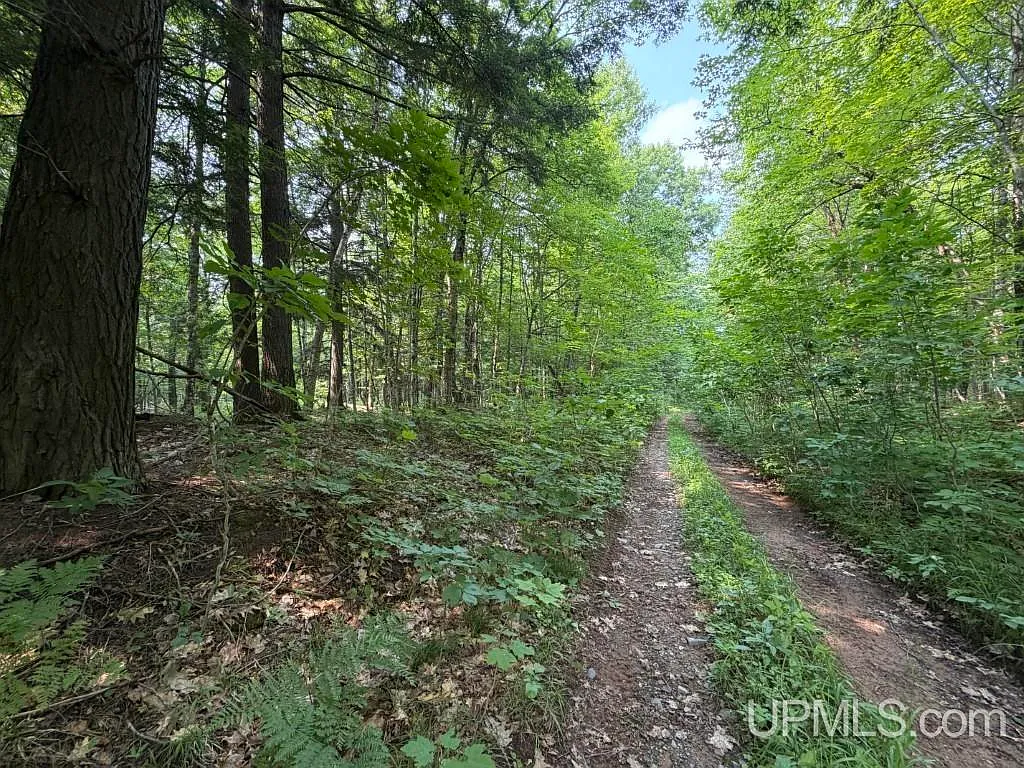
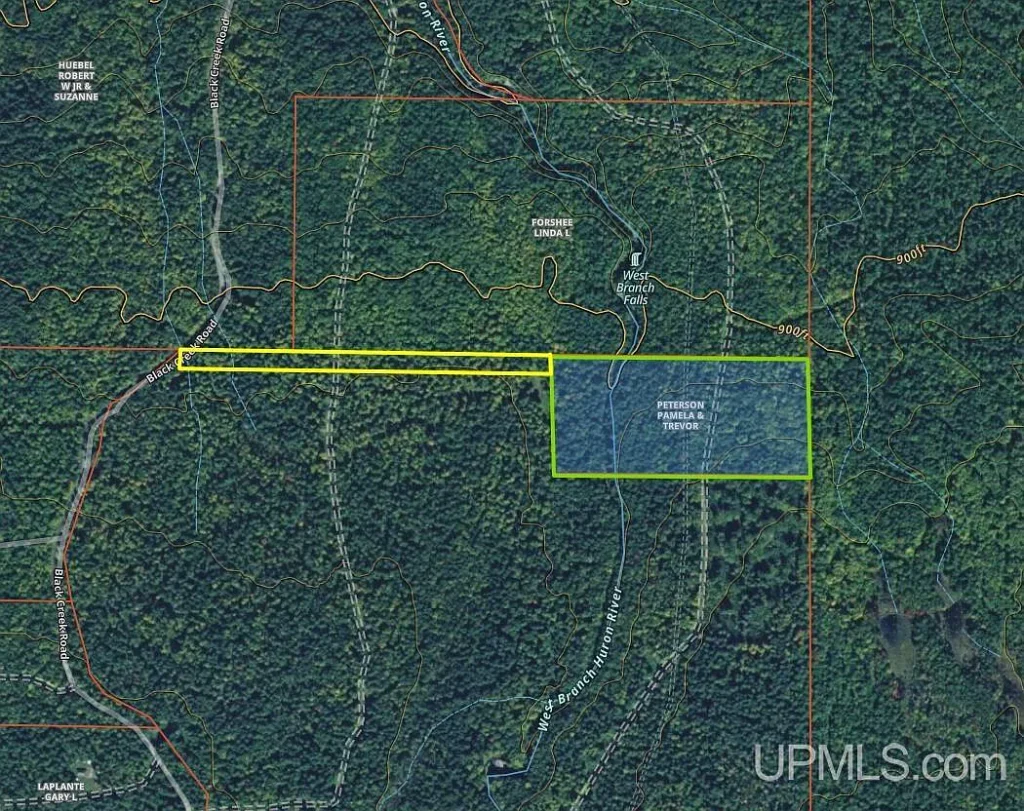
Please Note: Physical access requires driveway construction along the recorded 33-foot easement from Black Creek Road. Prospective buyers are advised to consult local excavating contractors for road-building estimates and verify off-grid water/waste setup requirements during due diligence.
Listed on Zillow